Categories more
- Adventures (62)
- Arts / Collectables (14)
- Automotive (77)
- Aviation (65)
- Bath, Body, & Health (123)
- Children (6)
- Cigars / Spirits (71)
- Cuisine (66)
- Design/Architecture (22)
- Electronics (63)
- Entertainment (36)
- Event Planning (115)
- Fashion (45)
- Finance (10)
- Gifts / Misc (6)
- Home Decor (118)
- Jewelry (41)
- Pets (3)
- Philanthropy (1)
- Real Estate (16)
- Services (44)
- Sports / Golf (14)
- Vacation / Travel (85)
- Watches / Pens (33)
- Wines / Vines (34)
- Yachting / Boating (67)


How Smart Light Control Is Changing High-End Home Design

Published
08/21/2026In Chandler, the afternoon sun can change a room in less than an hour. A living room that felt calm after lunch may become too bright by four. The television starts reflecting the windows. The stone floor warms up. Someone closes one shade, then another, and the room suddenly looks uneven.
That is the real reason smart light control is showing up in more high-end homes. It is not mainly about gadgets. It is about handling those daily changes without turning every room into a small project.
The best systems are usually the least noticeable. The shades move before the glare becomes annoying. Lamps come on at a lower level near sunset. The house still feels like a home, not a showroom full of controls.
Large Windows Need More Planning Than They Used To
Modern homes use more glass than older ones. Sliding doors are wider. Corner windows are common. Some living rooms have nearly a full wall facing the yard.
That looks great when the light is soft. It is harder to manage when the sun hits the glass directly. In Chandler, west-facing rooms can become uncomfortable late in the day, especially during summer. A wide opening may also need several separate shades, which makes fit and alignment more obvious.
Properly used interior shades and blinds can reduce unwanted solar heat while still allowing useful daylight into the room.
This is where proper measuring matters. A gap of half an inch can create a bright line across a media room. On three windows side by side, slightly different mounting heights are easy to spot. Homeowners arranging blinds installation in Chandler, AZ usually need more than a fabric choice. The installer has to consider the glass size, trim depth, wall space, power access, and the direction of the sun.
The finished treatment should look simple. Getting there is rarely simple.
Rooms Do Not Need the Same Light All Day
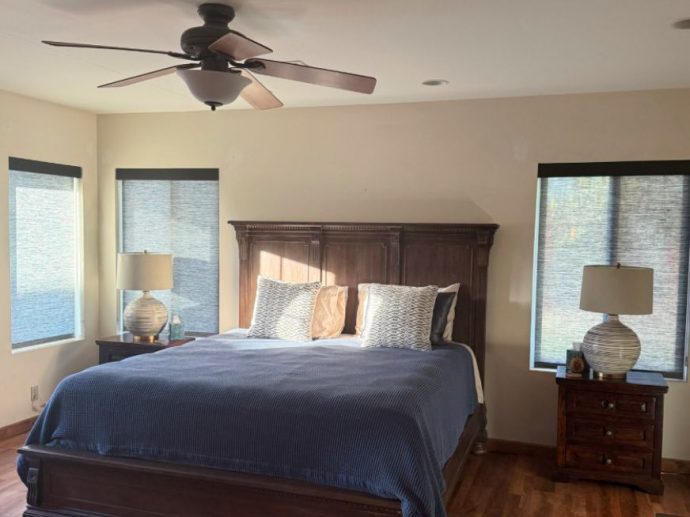
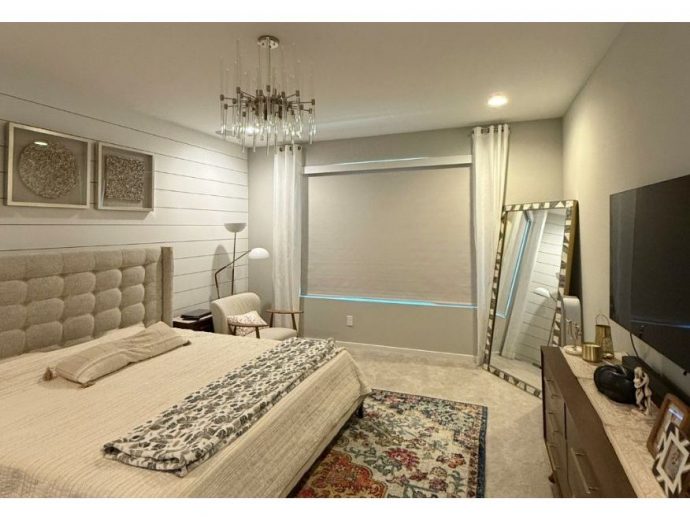
A kitchen may need bright task lighting at seven in the morning. The same level feels harsh during dinner. A bedroom can handle soft daylight in the afternoon, but not a sharp strip of sun across the bed at sunrise.
Smart systems work better when they follow those small changes. A morning setting might raise the breakfast-room shades and brighten the counter lights. Later, the west-facing shades can be lowered before the room heats up. Research into integrated lighting and shading controls shows how both systems can work together to admit daylight while reducing uncomfortable glare.
There is no need to create fifteen scenes with clever names. Most families use only a few. Morning, daytime, evening, and entertaining usually cover most situations.
The settings also need occasional changes. July light does not hit the house like January light. A schedule set once and ignored may become useless by the next season.
A Good Control System Should Be Obvious to Guests
Some smart homes are easy for the owner and confusing for everyone else. A guest walks into the room and sees six unlabeled buttons. The app works, but nobody knows which phone controls it. The shades stay closed because opening them feels risky.
That is poor planning, even if the equipment is expensive.
A simple wall control still matters. It should be clear enough for a guest, housekeeper, or family member to use without instructions. One button can open the shades. Another can set the room for the evening. The app can handle schedules and detailed changes in the background.
Motor noise matters too. In a large family room, a soft hum may disappear. In a quiet bedroom, it can sound much louder. Shades on the same wall should also move together and stop at matching heights. Small differences stand out in a clean interior.
The Fabric Changes the Light More Than the Motor Does
Motorization gets attention, but the fabric still does most of the visual work. Two shades with the same controls can make a room feel completely different.
A tight weave blocks more glare but may reduce the view. A more open fabric keeps the room connected to the outside, though it gives less privacy after dark. Pale materials may soften the light, while darker ones can sharpen the view through the glass.
Samples need to be tested at the actual window. A fabric that looks warm in a showroom may turn gray under strong Arizona daylight. Another may seem too plain in a sample book, but looks clean and quiet across a twelve-foot opening.
Media rooms, bedrooms, and offices also need different levels of coverage. A light-filtering shade may work well in the living room. The bedroom may need a second blackout layer. The office may need glare control only on one side of the room.
Uniformity is not always the best answer.
Power Should Be Planned Before the Walls Are Finished
New construction gives designers more freedom. Wiring can be hidden before drywall goes up. Recessed pockets can be built above windows. Controls can sit with the rest of the electrical plan instead of being added later.
Existing homes need a different approach. Rechargeable shades can work well, but charging access should be practical. A shade twelve feet above the floor is not convenient if the battery needs regular attention. Visible cords and exposed power supplies can also weaken an otherwise clean room.
This is the part that often separates a polished installation from an awkward one. The shade itself may be beautiful, but poor power planning makes the whole system feel added on.
Smart Light Control Is Also About Privacy
Large glass doors are open and bright during the day. At night, they can make the room feel exposed. Once the interior lights come on, the glass stops protecting the view inside.
A scheduled evening scene can lower selected shades before that shift becomes noticeable. It does not need to close every window. A backyard-facing opening may stay open, while street-facing glass gets more coverage.
Bedrooms need more care. Some homeowners want filtered light in the morning but full privacy at night. A layered system can handle both without using heavy curtains across every window.
These choices are small on a floor plan. In daily life, they are easy to feel.
High-End Technology Should Remove Chores
The value of smart light control shows up in ordinary moments. Nobody has to cross the room during dinner because the sun has moved. The bedroom stays dark longer on a weekend morning. The shades close before the west side of the house becomes too warm.
None of that is dramatic. It simply makes the house less demanding.
That is where the technology earns its place, not through more buttons, louder features, or complicated scenes. It works when the room feels right, and nobody has to stop and think about why.
Comments
