Categories more
- Adventures (177)
- Arts / Collectables (175)
- Automotive (174)
- Aviation (232)
- Bath, Body, & Health (391)
- Children (81)
- Cigars / Spirits (196)
- Cuisine (525)
- Design/Architecture (281)
- Electronics (167)
- Entertainment (125)
- Event Planning (252)
- Fashion (388)
- Finance (98)
- Gifts / Misc (103)
- Home Decor (407)
- Jewelry (259)
- Pets (55)
- Philanthropy (55)
- Real Estate (254)
- Services (161)
- Sports / Golf (159)
- Vacation / Travel (870)
- Watches / Pens (167)
- Wines / Vines (652)
- Yachting / Boating (224)


How Teachers Can Use Audio Cues to Help Children Correct Phonics Mistakes

Published
10/19/2026A child who reads “ship” as “sip” often knows the right answer already. What they need is a nudge to look again, not a lecture. Audio cues give that nudge in a second, without stopping the whole lesson.
Spoken corrections can sound sharp, even when a teacher means well. A short, playful sound feels different. It signals that something needs another try while keeping the mood light. Used with care, audio cues help kids catch, fix, and remember their own phonics mistakes.
Why Do Audio Cues Work Better Than Constant Correction?
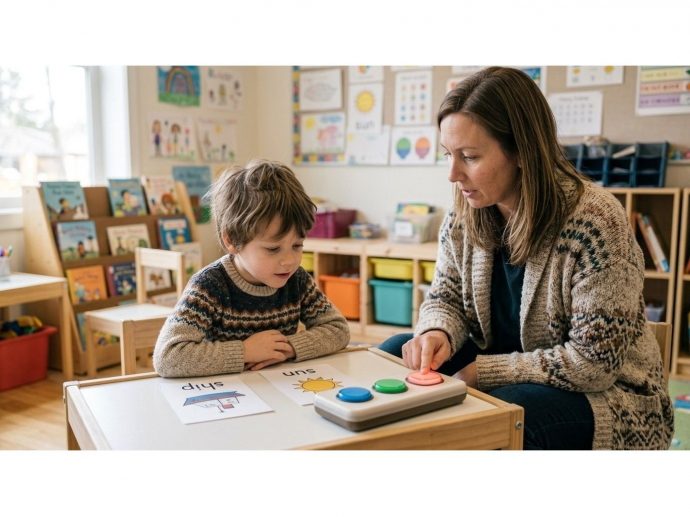
Young readers make many small mistakes while they learn letter sounds. Stopping to explain each one can quickly drain their confidence. As soundboardbuttons.com, a site where teachers grab quick sound buttons for classroom phonics games, explains, ‘a quick, friendly sound tells a child to try again without making the mistake feel like a failure.’ That feeling shapes what happens next. A child who feels safe will look at the word again. Embarrassed kids, on the other hand, may guess wildly or stop reading aloud.
Audio cues also save time. One sound replaces a full sentence of correction. The lesson keeps moving, and the child does the thinking instead of the teacher. Self-correction is the real goal, and a cue leaves room for it.
Which Audio Cues Should Teachers Use for Different Mistakes?
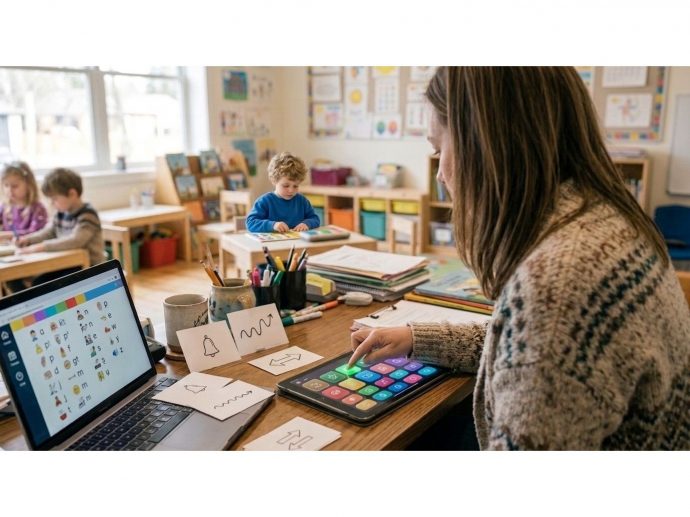
Different mistakes need different signals. When each sound has one clear meaning, kids learn to read the cue instantly. These four cues cover most phonics errors:
A “Try Again” Chime for Wrong Sounds
Use a soft chime when a child says the wrong letter sound. Reading “dog” as “bog” might earn one gentle ring. The chime means look again, nothing more. Keep it calm so it never feels like a buzzer on a game show.
A “Stretch It” Sound for Blending Errors
Some kids say each sound correctly but blend them wrong. A long, rising sound can remind them to stretch the word out slowly. “Mmm-aaa-p” becomes “map” when they hear the cue and slow down. Pick one stretching sound and keep it the same every time.
A “Look at the End” Signal for Skipped Sounds
Children often drop the last sound, reading “cat” as “ca.” A short double tap can point their eyes to the end of the word. Over time, kids start checking word endings before the cue even plays. That shift shows the habit is forming.
A Cheerful Sound for Fixed Mistakes
Correction only works when the fix gets noticed too. Play a happy sound the moment a child gets the word right on the second try. Sound Buttons Fun offers free sound buttons with cheerful chimes and cheers kids love. The reward celebrates the effort of self-correction, not just the answer. Kids learn that fixing a mistake is something to feel proud of.
How Should Teachers Introduce Audio Cues to a Class?
Kids cannot respond to a cue they do not understand. Spend the first session teaching what each sound means. Model a mistake yourself, play the cue, and then fix the word out loud. Children laugh when the teacher gets it wrong, and the lesson sticks.
The cues should support real decoding practice, not replace it. The What Works Clearinghouse reading guide recommends teaching students to decode words by linking letters to sounds. Audio cues work best as a prompt to use those skills. The child still does the sounding out.
What Makes an Audio Cue Helpful Instead of Harmful?
Not every sound helps a struggling reader. A loud buzzer or mocking effect can make kids afraid to try. A major review by Hattie and Timperley found that feedback can either help or hurt learning, depending on its type. Feedback about the task tends to help more than comments about the person. So keep each cue focused on the word, not the child.
Volume and timing matter too. Play cues softly enough that only the reading group hears them. Give the child a moment to self-correct before you play any sound. Jumping in too fast takes away the chance to think.
How Can Teachers Tell If Audio Cues Are Working?
The clearest sign is a child fixing a mistake before you press anything. Watch for these changes over a few weeks:
- Children pause and reread after a cue without being told.
- The same mistake shows up less often.
- Kids start correcting words before the cue plays.
- Reading aloud feels calmer and more confident.
If a mistake keeps returning, the cue may not be enough. Some children need direct reteaching of that letter sound. Others may need support from a reading specialist. Write down which errors appear most so you can plan the next lesson. Patterns in those notes often point to one sound worth extra practice.
Comments
