Categories more
- Adventures (62)
- Arts / Collectables (14)
- Automotive (77)
- Aviation (65)
- Bath, Body, & Health (123)
- Children (6)
- Cigars / Spirits (71)
- Cuisine (66)
- Design/Architecture (22)
- Electronics (63)
- Entertainment (36)
- Event Planning (115)
- Fashion (45)
- Finance (10)
- Gifts / Misc (6)
- Home Decor (118)
- Jewelry (41)
- Pets (3)
- Philanthropy (1)
- Real Estate (16)
- Services (44)
- Sports / Golf (14)
- Vacation / Travel (85)
- Watches / Pens (33)
- Wines / Vines (34)
- Yachting / Boating (67)



How the Right Staircase Can Transform Your Home's Interior

Published
08/24/2026It's easy to overlook. It's primarily functional. Yet there's an aspect of your home that can have a much bigger influence on its character than you might expect: a staircase. With the right design, it can become a striking focal point while enhancing how your rooms connect and making better use of available space.
This guide details how to make it happen.
Make the Staircase a Focal Point
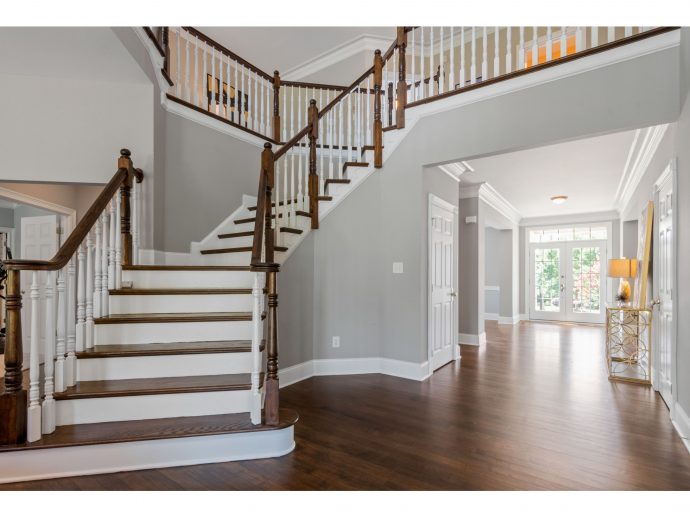
Get it out of your mind that the staircase is something that simply gets you between floors. Now you need to make it one of the home's defining features. Take a sculptural staircase. This can draw the eye as soon as someone enters the hallway, particularly when its materials contrast with the surrounding walls and flooring.
Timber, metal, glass, and other finishes can each create a different, and positive, impression. Even details such as an unusual handrail and integrated lighting can turn an ordinary staircase into an architectural feature.
Don't Just Buy a Showroom Staircase
Yes, pre-designed staircases work well in some properties. However, a standard design is unlikely to make the most of your home's layout and personal style. That's why a custom approach is recommended. It allows the proportions, materials, finishes, and finer details to all be covered.
Custom Iron does this with its staircases, building each one individually rather than selling standard kits. The company works with you to develop a design around your specific project, with options ranging from established models to highly customized creations.
This can be particularly beneficial when you have an awkward area to work with or want the staircase to perform a specific visual role. A made-to-order design also presents more freedom over finishes and details, which allows the finished staircase to feel connected to the rest of your interior.
Make Better Use of Limited Space
Even if it's a focal point, the staircase doesn't have to consume more floor space than necessary. Whether it's a spiral staircase or another compact design, they offer access between floors while leaving extra room for furniture, storage, or simply easy movement.
This is especially valuable in smaller properties where every square meter is important. Another tip: the space beneath a staircase can be transformed into useful storage or even a compact workspace. This stops it being an overlooked and forgotten gap.
Connect Different Areas of Your Home
Naturally, a staircase connects different areas of your home together. Yet it can go a step further by being a visual bridge between floors. By repeating materials and design details elsewhere in the property, it creates continuity and makes separate spaces feel like parts of the same overall interior.
For instance, a dark metal staircase is a great way to complement black-framed windows and lighting fixtures elsewhere in the home. Similarly, timber steps could echo exposed wooden features to create a warmer, more cohesive appearance.
Add Personality Through the Details
You don't necessarily require an elaborate staircase to make a strong impression. Even small design decisions can give a relatively simple structure a distinctive character. From color to decorative panels, these details can positively influence how the staircase looks.
Lighting is another effective tactic to personalize the design. Wall lights and recessed step lighting have the power to emphasize the staircase after dark, all while making movement between floors safer.
Comments
