Categories more
- Adventures (62)
- Arts / Collectables (14)
- Automotive (77)
- Aviation (65)
- Bath, Body, & Health (123)
- Children (6)
- Cigars / Spirits (71)
- Cuisine (66)
- Design/Architecture (22)
- Electronics (63)
- Entertainment (36)
- Event Planning (115)
- Fashion (45)
- Finance (10)
- Gifts / Misc (6)
- Home Decor (118)
- Jewelry (41)
- Pets (3)
- Philanthropy (1)
- Real Estate (16)
- Services (44)
- Sports / Golf (14)
- Vacation / Travel (85)
- Watches / Pens (33)
- Wines / Vines (34)
- Yachting / Boating (67)


How Thoughtful Backyard Design Turns a Plain Yard Into an Everyday Retreat

Published
10/08/2026Most homes come with a backyard that does very little. There is grass, a fence, perhaps a slab of patio near the door, and not much reason to go outside and stay there. The space is used for storage, for the lawn mower, for the occasional barbecue, and then it is forgotten again until the weekend. That is a waste of what is often the largest open area a family owns. With some planning, the same square footage can become the part of the house everyone gravitates toward after work and on long afternoons. The change rarely comes from spending more. It comes from deciding what the space is for and then designing around that answer.
Starting With the Centerpiece of the Yard
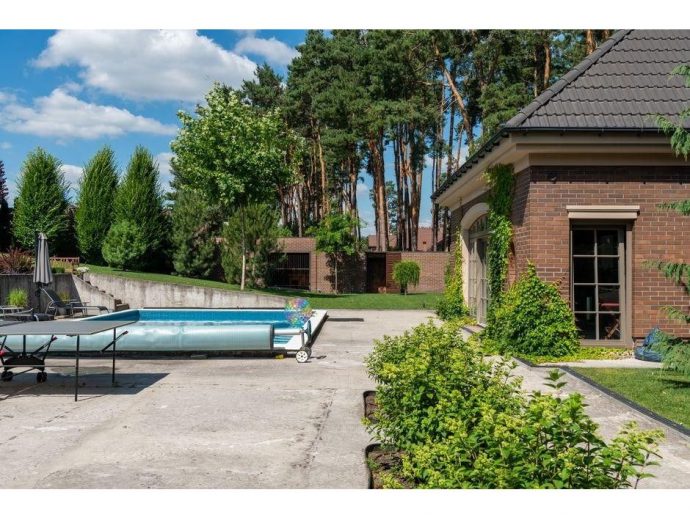
Every outdoor area needs one element that anchors it, and the difference between a dull yard and a welcoming one usually comes down to what sits at the center. A concrete pool is the feature most homeowners picture first, and the difficulty is that a standard rectangle dropped into an uneven or oddly shaped lot seldom suits the way a family actually lives. The sensible route is to have the pool designed and built for the property from the beginning rather than chosen from a short list of fixed shapes. The practical step is to hire a custom concrete pool builder who offers freeform and geometric shapes, PebbleTec finishes, paver decking, built-in spas, sun shelves, and 3D renderings that let the whole plan be seen before any ground is broken. Getting that level of detail right at the start sets the tone for every decision that follows.
Reading the Shape of Your Space
Before anything is drawn, it helps to spend time simply watching the yard. Notice where the sun lands in the morning and where it sits at five in the afternoon. Notice which corners stay damp after rain and which spots the neighbors can see into. A narrow yard behaves differently from a wide one, and a sloped lot opens possibilities that a flat lot does not. Good design works with those conditions rather than fighting them. Pushing the main gathering area toward the shaded end, or using a change in level to separate one zone from another, costs nothing at the planning stage and saves a great deal of regret later.
Surfaces and Decking Underfoot
What you walk on does more for the look of a yard than almost anything else. A plain poured slab reads as utilitarian no matter what furniture sits on it, while brick pavers give texture and a sense of craftsmanship straight away. Travertine and marble upgrades push the same space toward something closer to a resort. Beyond appearance, the surface decides how comfortable the area is to use barefoot in the middle of summer, how well it drains, and how safely people move around when everything is wet. Extending the deck wider than seems necessary is also worth considering, because an area that feels generous with six people on it will feel cramped with twelve.
Lighting That Extends the Evening
A backyard that is only usable in daylight is a backyard you use half as much. Lighting is what carries the space from late afternoon into night, and the trick is to use several small sources rather than one bright one. Low lights along pathways keep people sure of their footing. Soft lighting under the water changes the whole mood of the yard after sunset. Fixtures tucked into planting beds or beneath seating pick out the edges of the space so it does not disappear into darkness at the boundary. Put the lighting on controls that can be adjusted easily, and the same yard serves a quiet evening and a full gathering equally well.
Shade, Screens, and Shelter
Comfort is what decides whether people stay outside or drift back indoors after twenty minutes. Shade is the first requirement, whether it comes from a structure, a canopy, or the position of the seating itself. Insects are the second, and a screen enclosure solves that problem outright while also cutting down on leaves and debris blowing across the water. An enclosure changes the character of a yard considerably, so it is worth deciding early rather than adding it as an afterthought. The aim throughout is simple. The space should be pleasant enough that nobody thinks about going inside.
Small Details That Carry a Lot of Weight
The elements that make a yard memorable are usually modest in scale. A sun shelf gives somewhere to sit half in the water with a drink, which turns out to be where guests spend most of their time. A spillover spa adds movement and sound without dominating the design. Water features soften the noise from the street. Fire features give people a reason to gather in one spot once the evening cools. None of these are large interventions on their own, but together they are the difference between a space that looks finished and one that feels lived in.
Designing for the Way a Family Actually Lives
The best outdoor spaces are built around honest answers rather than magazine photographs. If the yard is mostly for young children, visibility and shallow areas matter more than dramatic shapes. If it is for entertaining, seating and circulation deserve the attention. If it is for two people who want somewhere quiet at the end of the day, a smaller and more sheltered layout will beat an expansive one. It also pays to think a few years ahead, since children grow and the way a family uses the yard shifts with them. A design that accounts for that will still be working well long after the novelty of a new backyard has worn off, and that is the real measure of whether the money was well spent.
Comments
