Categories more
- Adventures (62)
- Arts / Collectables (14)
- Automotive (77)
- Aviation (65)
- Bath, Body, & Health (123)
- Children (6)
- Cigars / Spirits (71)
- Cuisine (66)
- Design/Architecture (22)
- Electronics (63)
- Entertainment (36)
- Event Planning (115)
- Fashion (45)
- Finance (10)
- Gifts / Misc (6)
- Home Decor (118)
- Jewelry (41)
- Pets (3)
- Philanthropy (1)
- Real Estate (16)
- Services (44)
- Sports / Golf (14)
- Vacation / Travel (85)
- Watches / Pens (33)
- Wines / Vines (34)
- Yachting / Boating (67)



How to Blend Luxury and Practicality in Contemporary Home Design

Published
02/23/2026couch looks like art. The kitchen gleams like a showroom. Yet there is nowhere to drop a backpack. In a time when housing prices rise and remote work fills spare rooms, homes must do more than look good. They must function. In cities like Richmond, VA, where historic charm meets modern growth, homeowners are rethinking what comfort really means. Style alone no longer satisfies. In this blog, we will share how to blend luxury and practicality in contemporary home design without sacrificing comfort, personality, or common sense.
Designing Spaces That Work Hard and Look Effortless
A beautiful home must perform. Storage becomes the unsung hero of contemporary design. Hidden drawers, pull-out pantries, and built-in benches reduce visual noise. They keep essentials close, so the home stays calm. Clutter fades into organized systems.
Kitchens reveal this balance clearly. Quartz countertops offer sleek surfaces and resist stains. Large islands create gathering spots for homework and conversation. Under-cabinet lighting adds a glow that feels upscale. It also improves visibility for chopping vegetables. Form meets function in small details.
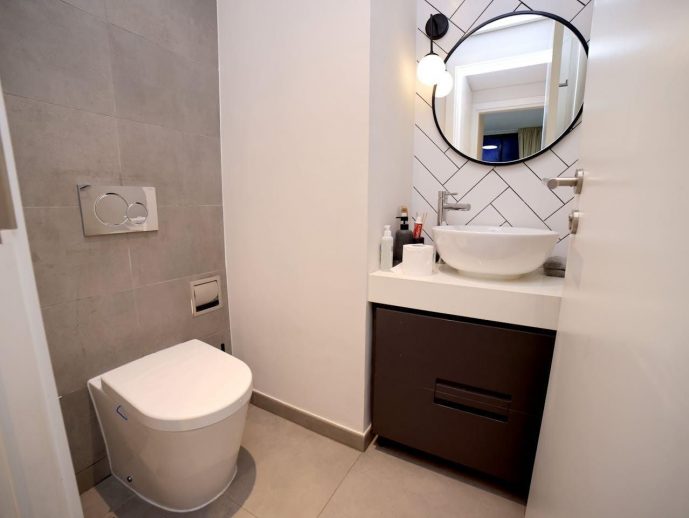
Bathrooms tell a similar story. Heated floors sound indulgent. They also make winter mornings more bearable. Walk-in showers with simple glass panels appear modern. They improve accessibility for all ages. When homeowners consult a reliable Richmond bathroom remodeling company, they often discover that practical upgrades elevate the entire home. Better ventilation prevents mold. Durable tile withstands daily use. Smart layouts maximize limited square footage.
Furniture choices matter too. A plush sofa can anchor a living room. It should handle spills without panic. Performance fabrics allow families to relax, so luxury feels welcoming rather than fragile. Thoughtful design removes stress from daily routines. That might be the most refined feature of all.
Technology That Enhances Rather Than Distracts
Smart homes once seemed futuristic. Now they are almost expected. Voice-controlled lights and security cameras appear in many listings. However, technology should serve the home, not dominate it. Flashy gadgets lose charm when they malfunction.
Integrated systems work best. A single app that controls lighting, climate, and security simplifies life. It reduces the need for multiple remotes. Hidden wiring preserves clean lines. Screens disappear into cabinetry when not in use. This approach maintains visual harmony.
Home offices demonstrate the shift. Remote work transformed spare bedrooms into command centers. Designers now plan for built-in desks and soundproof panels. These features support productivity. They also maintain style. When the workday ends, sliding doors conceal equipment.
Energy management also benefits from smart upgrades. Programmable thermostats adjust automatically. Motion sensors turn off lights in empty rooms. These tools reduce waste, therefore they cut monthly expenses. Efficiency becomes part of the design language.
Technology should feel seamless. It should fade into the background. When used wisely, it supports comfort and security. It allows the home to adapt to changing needs without losing warmth.
Materials That Balance Beauty and Durability
Materials define mood. They also determine longevity. Natural stone conveys sophistication. It can chip or stain without proper care. Engineered alternatives provide similar aesthetics with greater resilience. Many homeowners prefer surfaces that withstand everyday wear.
Hardwood floors remain popular. They add warmth and texture. However, high-traffic homes benefit from engineered planks. These resist warping in humid climates. Rugs soften sound and add color. They also protect flooring underneath.
Cabinet finishes follow similar logic. Matte surfaces hide fingerprints better than glossy ones. This small detail reduces constant cleaning. Metal accents add contrast. Brushed finishes show fewer smudges than polished chrome.
Textiles influence comfort. Layered curtains provide insulation and style. Throw pillows introduce color without permanent commitment. Designers mix textures like leather and linen. This blend creates depth while remaining approachable.
Sustainable materials attract attention as climate concerns grow. Reclaimed wood tells a story. Recycled glass countertops offer sparkle with conscience. These choices align design with broader social awareness. They signal responsibility rather than extravagance.
When materials serve both style and durability, homes age gracefully. They retain character. They also resist the daily grind of real life.
Creating Flow Without Losing Personality
Let Neutrals Set the Stage
Contemporary homes often favor neutral palettes. Whites and grays dominate listings across the country. This creates a sense of calm from the moment someone walks in. It can also feel sterile when taken too far. Rooms start to resemble staged photos instead of lived-in spaces. Personality brings warmth back into the picture and keeps the home from feeling generic.
Use Walls and Art to Tell a Story
Accent walls add interest without overwhelming the space. A deep blue or earthy green can anchor a living room. Artwork reflects hobbies and travel memories in a subtle way. Family photos displayed in curated frames feel intentional rather than random. They avoid clutter while celebrating connection and shared history. Luxury does not require removing personal history, it simply asks for thoughtful presentation.
Layer Lighting for Mood and Function
Lighting shapes atmosphere in dramatic ways. Layered lighting includes overhead fixtures, table lamps, and sconces placed at different heights. This approach allows rooms to shift mood with little effort. Bright light supports productivity during work hours. Soft light invites relaxation at night. Dimmer switches offer control at minimal cost and make the transition from day to evening feel seamless.
Extend Personality Outdoors
Outdoor spaces extend living areas beyond four walls. Patios with comfortable seating become natural gathering spots for friends and family. Weather-resistant fabrics maintain elegance despite changing seasons and unexpected rain. Small herb gardens combine beauty and utility in one simple feature. Fresh basil elevates dinner with little effort and adds a sensory element to the space. String lights or subtle landscape lighting can further define the area and create a welcoming glow after sunset.
The bottom line is that flow connects each space: hallways feel wider with strategic mirrors, consistent flooring unifies rooms and subtle color transitions guide the eye naturally. These choices create harmony. They avoid monotony by layering texture and art.
Blending luxury with practicality requires intention. It asks homeowners to consider daily habits. It encourages them to invest in quality where it counts. Trends will shift. Social priorities will evolve. A home that balances comfort, durability, and style remains steady. It reflects thoughtful choices rather than fleeting fashion. In a world that moves quickly, that balance might be the most luxurious feature of all.
Comments
