Categories more
- Adventures (62)
- Arts / Collectables (14)
- Automotive (77)
- Aviation (65)
- Bath, Body, & Health (123)
- Children (6)
- Cigars / Spirits (71)
- Cuisine (66)
- Design/Architecture (22)
- Electronics (63)
- Entertainment (36)
- Event Planning (115)
- Fashion (45)
- Finance (10)
- Gifts / Misc (6)
- Home Decor (118)
- Jewelry (41)
- Pets (3)
- Philanthropy (1)
- Real Estate (16)
- Services (44)
- Sports / Golf (14)
- Vacation / Travel (85)
- Watches / Pens (33)
- Wines / Vines (34)
- Yachting / Boating (67)


How to Build Atmosphere With Fireworks

Published
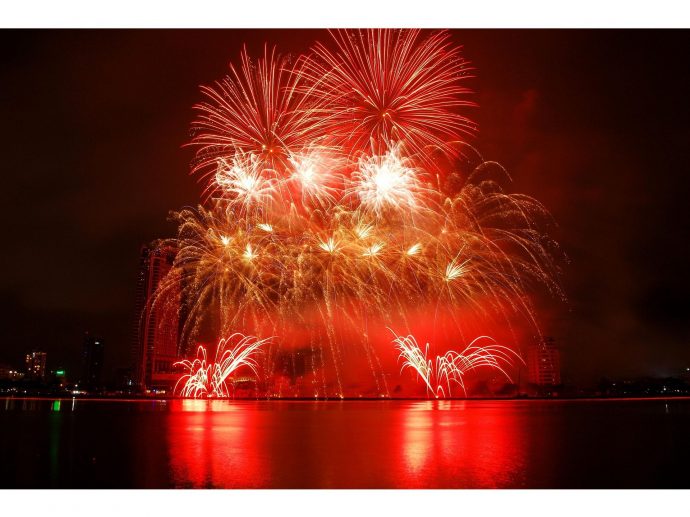
04/19/2026Fireworks are often treated like a finale—something you bolt onto an event once the “real” planning is done. But if you’ve ever seen a display that made the whole crowd feel connected (that involuntary hush before the first lift, the collective cheer when the sky opens up), you know fireworks can do more than mark an ending. Used well, they can create atmosphere: anticipation, rhythm, surprise, even emotion.
The difference comes down to intent. Atmosphere isn’t about firing more shells; it’s about designing an experience that fits your setting, your audience, and the story you’re trying to tell.
Start With the Feeling, Not the Fireworks
Before you think about effects or budgets, ask a simple question: What should people feel? A wedding might call for warmth and intimacy. A club night wants pulse and intensity. A community celebration needs broad appeal and a sense of shared occasion.
Define your event’s “emotional arc”
Atmosphere is built over time, not in a single bang. Consider the arc in three phases:
- Anticipation: subtle cues that something special is coming (lighting changes, music shifts, a brief announcement).
- Release: the first big moment—the “hook” that signals this is worth watching.
- Afterglow: the close that leaves people talking, not just squinting.
If you can describe that arc in a sentence—“quiet build into a punchy, upbeat peak, then a warm golden finish”—you’re already ahead of most event plans.
Match the Display to the Venue and the Crowd
Fireworks don’t exist in a vacuum. The same sequence that feels epic in an open field can feel overwhelming in a tight urban space. Conversely, a delicate display can get visually “lost” in a large outdoor setting.
Read the room: distance, sightlines, and sound
Venue realities shape atmosphere more than people expect:
- Viewing distance: Closer viewing demands more thoughtful pacing; rapid-fire effects can become tiring rather than exciting.
- Sightlines: Trees, buildings, and staging rigs can block key moments. Plan for a clear “main angle” and a secondary area for overflow.
- Sound profile: Echo between buildings can amplify impact. For family audiences or noise-sensitive areas, consider lower-noise options or effects that deliver spectacle without constant heavy reports.
Get professional input early (and keep it practical)
When you’re aiming for atmosphere, the technical planning matters: safety distances, fallout zones, firing positions, and local restrictions all influence what’s possible. If you’re researching what a professionally designed display can look like for different event types, it’s worth browsing examples and guidance from specialists such as anfieldfireworks.com—not for a “template,” but to understand how pacing, effect choice, and venue constraints are typically handled in real-world setups.
That early clarity prevents the most common mistake: designing something on paper that can’t be delivered safely or legally on-site.
Use Fireworks Like Lighting and Music: With Timing and Restraint
A great display feels composed. Even if you never synchronise to a soundtrack, you should still think in beats and transitions.
Pacing is your atmosphere engine
The temptation is to keep escalating, but constant intensity flattens emotional impact. Instead, vary density:
- Give the audience breathing room. A half-second pause can create suspense better than another shot.
- Change “textures.” Alternate between wide, slow breaks (that fill the sky) and sharper, punchier moments (that feel rhythmic).
- Build motifs. Repeating a colour pair or a particular style of effect creates cohesion—your brain recognises a pattern and it feels intentional.
Consider music—but don’t make it a gimmick
Music can elevate atmosphere when it’s aligned with the crowd’s expectations. The key is to avoid fighting the environment. A chilled rural wedding might suit one or two emotional peaks. A high-energy public show can handle tighter synchronisation and more frequent “hits.”
If you can’t guarantee consistent audio coverage outdoors, don’t force a fully choreographed soundtrack. Instead, use music as a supporting layer near the main viewing area and let the fireworks carry the show.
Design for “Camera Moments” Without Losing the Live Experience
People will film. You can resent it—or you can design with it in mind.
Create 2–3 signature moments
Atmosphere often hinges on a few standout images people remember and share. Aim for two or three big visual statements spaced across the display:
- An early “sky opener” that signals scale
- A mid-show colour shift that changes the mood
- A final sequence with a clear visual identity (for example, gold-and-white, or a deliberate strobe-to-brocade transition)
Avoid relying solely on rapid, noisy barrages for impact. They read as chaos on a phone screen and can feel one-note in person. Clean shapes and colour contrasts tend to land better both live and on video.
Safety and Compliance Are Part of the Atmosphere
This might sound unromantic, but nothing kills atmosphere faster than uncertainty: spectators drifting too close, confused stewards, a last-minute cancellation because someone forgot permissions.
Treat risk planning as experience design
Atmosphere improves when guests feel looked after. Practical steps that also enhance the “feel” of the event include:
- Clear viewing boundaries that don’t feel aggressive (rope lines and signage placed early, before crowds gather)
- A short, calm announcement that sets expectations (“display begins in two minutes, please remain behind the barrier”)
- A designated viewing direction so people aren’t twisting around or blocking each other
This is also where working with qualified operators matters. They’ll account for wind, firing angles, fallout, and emergency procedures—elements that, when handled quietly, make everything feel effortless.
Weather, Wind, and the Art of the Backup Plan
Atmosphere is fragile when you’re outdoors. Wind can push smoke into the viewing line; damp air can soften colour; drizzle can change how sound carries. The goal isn’t to control the weather—it’s to plan around it.
Build flexibility into the show
A smart plan anticipates conditions:
- Wind direction: Choose a firing location that keeps smoke drifting away from the crowd if possible.
- Duration: Slightly shorter, more intentional displays often feel more premium than long ones that drag—especially if smoke begins to linger.
- Contingencies: Have a clear call time for weather decisions so guests aren’t left in limbo.
If you’re planning an event with tight scheduling (say, a wedding venue with a strict curfew), talk through “go/no-go” thresholds in advance. That certainty keeps the energy up—even if you need to pivot.
The Takeaway: Atmosphere Comes From Intentional Choices
If you remember one thing, make it this: fireworks create atmosphere when they’re designed as part of the event’s overall language—like lighting, music, staging, and crowd flow—not as an isolated spectacle.
Start with the feeling you want, shape an arc, respect the venue, and pace the experience. Do that, and the fireworks won’t just end your night. They’ll define it.
Comments
