Categories more
- Adventures (62)
- Arts / Collectables (14)
- Automotive (77)
- Aviation (59)
- Bath, Body, & Health (123)
- Children (6)
- Cigars / Spirits (71)
- Cuisine (65)
- Design/Architecture (22)
- Electronics (63)
- Entertainment (23)
- Event Planning (104)
- Fashion (45)
- Finance (10)
- Gifts / Misc (6)
- Home Decor (91)
- Jewelry (41)
- Pets (3)
- Philanthropy (1)
- Real Estate (16)
- Services (23)
- Sports / Golf (14)
- Vacation / Travel (69)
- Watches / Pens (14)
- Wines / Vines (34)
- Yachting / Boating (67)



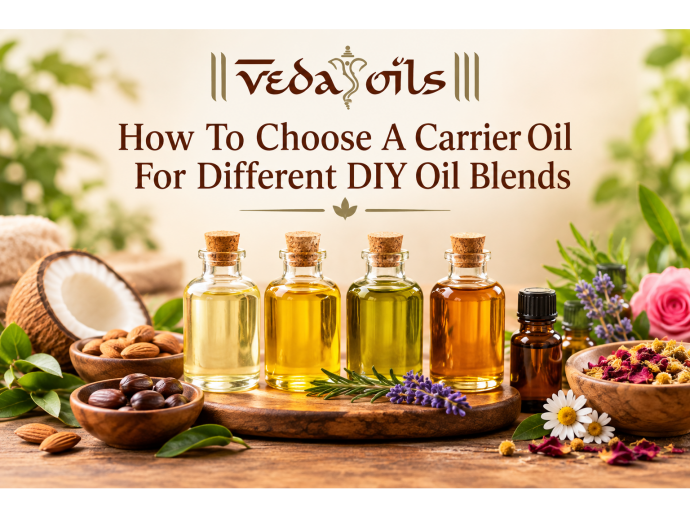
How To Choose A Carrier Oil For Different DIY Oil Blends

Published
10/06/2026Carrier oils are used in many DIY blends for skincare, haircare, massage, and aromatherapy because of their nourishing properties and ability to dilute essential oils. Differences in texture, absorption, aroma, and stability of various carrier oils are identifiable and attributed to processing methods and natural fatty acid profiles. The blend's performance, feel, and appropriateness for its intended use are all affected by the oil choice. Picking, mixing, diluting, and storing carrier oils are all covered in detail in this guide. Suppliers such as VedaOils offer a range of commonly used carrier oils for DIY blending, allowing formulators to select oils based on texture, absorption, stability, and intended application.
What Is A Carrier Oil?
Plant fatty materials such as nuts, seeds, and kernels can be processed into a vegetable oil known as a carrier oil. The name “carrier oil” comes from its ability to carry concentrated essential oils into the skin without irritation. Essential oils evaporate easily, and therefore have a shorter shelf life than carrier oils. Carrier oils are rich in vitamins, antioxidants, and fatty acids that can hydrate your hair and skin.
When you understand carrier oils properly, you'll find they're doing double duty: shielding you from irritation, while also providing their own benefits. Popular Carrier Oils For DIY include jojoba, sweet almond, coconut, and argan oil, which are also commonly available from ingredient suppliers such as VedaOils for DIY skincare, haircare, massage, and aromatherapy formulations.
What To Consider When Choosing A Carrier Oil?
- Choosing the best carrier oils for DIY depends on the purpose and overall formulation of your homemade blend. The oil’s texture and consistency will affect how well it spreads and how it interacts with other ingredients. Depending on how quickly they absorb and what you want to do, lighter oils may be better for the face, and heavier oils may be better for the body or hair. The choice should be based on intended use, whether you are diluting essential oils, using them for massage, skin care, or any other purpose.
- And consider the natural smell of the oil, particularly if you are mixing essential oils or perfumes. Oxidative stability and shelf life are important in terms of storage and freshness. Finally, see how well the formulation plays with other oils and ingredients to make sure it is stable and balanced.
Popular Carrier Oils And Their Characteristics
Carrier oils vary in texture, absorption, aroma, and suitability for different cosmetic and aromatherapy formulations. Here are different types of carrier oils with their popularity and characteristics:
- Jojoba oil is light and flexible, with a wax-like composition, and is gentle on the skin. It is often added to massage oils, facial moisturizers, and bath oils by many people.
- Sweet Almond Oil has a smooth, moderately rich texture and a mild, nutty aroma. It is one of the widely used carrier oils for skin in the form of massage oils, soaps, and other skincare products.
- Light body and massage formulations are perfect for grapeseed oil because of its lighter texture and neutral aroma.
- Refined and unrefined coconut oils are available. The refined variety is thicker and has a coconut aroma, while the unrefined kind has a lighter one.
- Argan oil is one of the natural carrier oils that provides a rich, smooth feel and has a naturally nutty aroma.
- Avocado oil has a thicker consistency and is commonly incorporated into richer skincare formulations.
- Fractionated coconut oil is a lightweight, fluid carrier oil for essential oils to blend with and is easy to blend with other cosmetic ingredients.
Choosing Carrier Oils For Different DIY Blends
When creating DIY goods, your desired outcome influences your carrier oil selection depending on texture, absorption, and aroma. Here’s how to choose carrier oil for different DIY blends.
- To get a non-greasy, satin feel on the skin, lightweight everyday blends need fast-absorbing oils such as jojoba or grapeseed oil.
- Oils with a higher moisture content, like avocado or rosehip, are thick and take their time to absorb, creating a protective barrier that is both nourishing and long-lasting.
- Sweet almond and other high-glide, slow-absorbing oils are ideal for massage-style blends because they enable hands to move freely without reapplying the oil too often.
- Hair oil mixtures benefit from penetrating oils such as coconut for deep conditioning or lightweight argan to tame frizz without weighing down hair.
- Aromatherapy-style topical essential oil carrier oil blends use neutral-scented oils, such as fractionated coconut oil, to avoid overpowering the therapeutic essential oils.
How To Combine Carrier Oils
By mixing different carrier oils, you can get a balance of their individual properties and create a blend that is good for massage, hair care, or skin care. So, combine the two to make an oil that is lighter but richer and easier to spread, while still being nourishing. You could, for instance, blend grapeseed oil with avocado or castor oil for a lighter feel.
Try jojoba or sweet almond oil to balance out heavier oils like rosehip. You need to consider the aroma, color, and texture of the oils and how that will affect the blend and the experience of the user. Always work in small batches and scale the proportions as necessary for each task.
Adding Essential Oils To Carrier Oil Blends
Proper dilution is vital when producing custom carrier oil blends to avoid skin irritation, sensitisation, and unpleasant reactions. Essential oils are concentrated extracts from plants and must always be diluted according to the manufacturer's instructions. Use precise measurements like drops or %’s rather than guessing to make sure your ingredients are safe and effective. A thoughtless mistake might easily damage a mixture or cause injury.
Finally, always check the safety information for each essential oil before using DIY carrier oil blends with them. Certain oils have particular hazards, phototoxicity, or contraindications, necessitating reduced amounts or outright avoidance.
Storage And Shelf Life Of DIY Oil Blends
The dark glass that blocks UV rays will help extend the life of your homemade oil blends. Store your bottles in a cool, dark location, away from direct sunlight and high heat to avoid premature oxidation. Always check the expiration date of individual oils before blending, because your blend will only have the same shelf life as the element with the shortest shelf life. Label each batch with the ingredients used, and the date it was prepared. Finally, review your mixes on a regular basis and remove those that exhibit changes in scent, colour, or texture.
Common Mistakes to Avoid
To ensure the safety and quality of your formulations involving oils, avoid these common mistakes.
- Overuse of essential oils can cause severe skin irritation or sensitization.
- Ignoring the unique medicinal properties of the oils in favor of the currently trendy ones is a recipe for disaster.
- Oils affect the feel of the product and therefore the way the skin perceives the product.
- Ignoring shelf life: Blending oils without considering their different shelf lives speeds up deterioration.
- Poor storage is a must to avoid, as light and heat will quickly degrade your finished blend.
- Ignoring instructions: Read the manufacturer's instructions before using any ingredient.
Conclusion
When selecting a carrier oil, you should take into account the texture, absorption, use, aroma, longevity, and ingredient compatibility. You will find it easier to select combinations that work well and to make balanced DIY oil blends if you know the properties of individual oils. With proper selection and correct dilution and storage, blends can be consistent and useful for many purposes.
FAQs
Q1. What Is The Purpose Of A Carrier Oil?
The aim of carrier oils is to dilute concentrated essential oils so they can be safely applied to the skin.
Q2. Which Carrier Oils Are Commonly Used In DIY Blends?
Jojoba, sweet almond, coconut, argan, and rosehip carrier oils are frequently used as a soft, nutritious foundation for homemade skincare blends.
Q3. Can Two Carrier Oils Be Mixed?
Feel free to combine two carrier oils for a more personalised experience in terms of texture, absorption, and nourishing abilities.
Q4. How Much Essential Oil Should Be Added To A Carrier Oil?
You can get a safe dilution ratio of 2% by adding two or three drops of essential oil to each teaspoon of carrier oil.
Comments
