Categories more
- Adventures (62)
- Arts / Collectables (14)
- Automotive (77)
- Aviation (65)
- Bath, Body, & Health (123)
- Children (6)
- Cigars / Spirits (71)
- Cuisine (66)
- Design/Architecture (22)
- Electronics (63)
- Entertainment (36)
- Event Planning (115)
- Fashion (45)
- Finance (10)
- Gifts / Misc (6)
- Home Decor (118)
- Jewelry (41)
- Pets (3)
- Philanthropy (1)
- Real Estate (16)
- Services (44)
- Sports / Golf (14)
- Vacation / Travel (85)
- Watches / Pens (52)
- Wines / Vines (34)
- Yachting / Boating (67)


How to Choose the Best Two-Bedroom Apartment Layout


Published
12/18/2025Finding the perfect home is about more than just selecting a space—it's about identifying an environment where your lifestyle can truly flourish. When searching for a two bedroom apartment in Tempe, the layout plays a pivotal role in comfort, livability, and long-term satisfaction. The right configuration can transform your daily routines and even improve your quality of life.
With a wide variety of floor plans available, prospective tenants need to consider more than square footage. The arrangement of rooms, the allocation of shared and private spaces, and thoughtful integration of features like natural light all have a substantial impact on how enjoyable and functional your home will be.
Assess Your Lifestyle Needs
Choosing the right apartment starts with understanding your unique habits and requirements. Do you or your roommate work remotely and need a quiet office space? Is your lifestyle centered around hosting friends, or do you crave quiet, separate sanctuaries? Reflecting honestly on your routines ensures you select a layout that truly enhances your day-to-day life.
For example, if you have children, a space for play or homework might be crucial. Conversely, professionals may prioritize a layout that allows for professional separation between work and leisure. Couples or roommates might seek split-bedroom plans for added privacy. Regardless of your lifestyle, mapping out your priorities before touring properties makes the decision-making process smoother and more effective.
Open vs. Closed Floor Plans
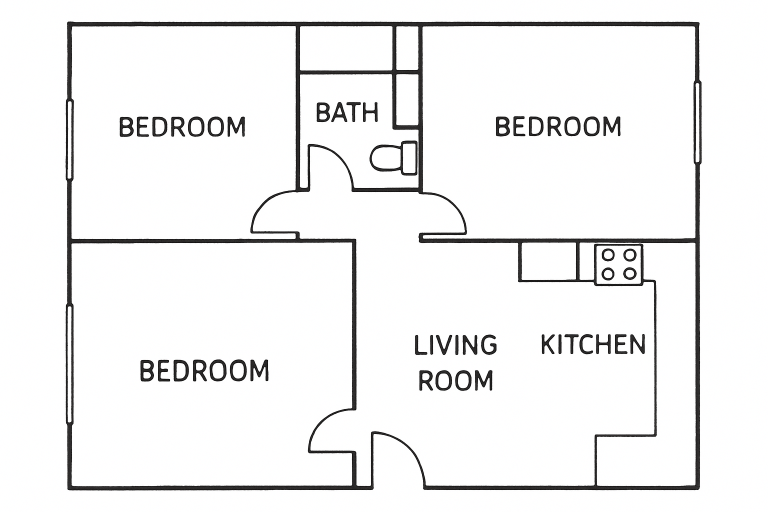
One of the first decisions to make is whether to choose an open or closed floor plan. Open floor plans are ideal for those who love bright, fluid spaces and entertaining guests. With combined kitchen, living, and dining areas, these layouts create a sense of expansiveness, often making apartments feel larger than their measurements suggest. On the other hand, the lack of physical barriers can compromise acoustic privacy and may not be suitable for those who require quiet or separation.
Closed floor plans, meanwhile, separate rooms with walls and doors, providing distinct zones for rest, work, or play. These layouts are particularly advantageous for families, roommates, or anyone seeking solitude for sleep or focus. The trade-off is that spaces may feel more compartmentalized and, in some cases, less connected; therefore, consider your preferences before making a decision.
Bedroom and Bathroom Placement
Pay close attention to the arrangement of bedrooms and bathrooms, as this greatly affects comfort and privacy. If you’re sharing with a roommate, layouts with bedrooms on opposite sides of the apartment minimize noise and maximize solitude. For families or couples, an ensuite bathroom off the main bedroom and a separate bathroom accessible from the common area can create a convenient blend of private and shared spaces.
Additionally, consider guest access. Having at least one bathroom available directly from the living area is considerate when hosting, so visitors need not pass through a private bedroom.
Storage Solutions
Well-designed storage is non-negotiable for a clutter-free home. Seek layouts that provide built-in wardrobes, kitchen pantries, and coat closets. Innovative options, such as under-bed drawers, wall-mounted shelves, or storage-integrated furniture, help maximize efficiency, especially in compact apartments. Space to stow away seasonal gear, cleaning supplies, or hobby equipment makes a two-bedroom apartment far more livable—and keeps your main spaces organized and serene.
Natural Light and Ventilation
Ample daylight and good airflow are essential for well-being. Apartments with large windows in each bedroom and common area feel brighter, more spacious, and can help regulate your mood. Proper ventilation—ideally with the potential for cross-breezes—maintains air quality and can help reduce energy bills by minimizing the need for artificial cooling or heating. If possible, tour the apartment at different times of the day to assess how the light changes.
Health professionals from the Harvard Gazette highlight the health benefits of sunlight in living spaces, noting its positive effects on sleep and mental health.
Flexibility for Future Needs
The perfect apartment today may not meet every need tomorrow. Opt for flexible floor plans, such as those featuring a bonus nook or a convertible second bedroom that can become a home office, nursery, or guest retreat. Thinking ahead is crucial, especially if you anticipate family changes, shifting work needs, or frequent visitors. Adaptable layouts ensure your home remains functional as your needs evolve.
Evaluate Amenities and Common Areas
The overall appeal of an apartment complex rests not only on the unit but also on the building’s amenities. Access to a fitness center, communal lounge, or outdoor spaces can add significant value. For many, these shared features become essential extensions of their living area—places to work, relax, or socialize. Carefully review what’s offered, and ensure it aligns with your daily activities and aspirations to get the most out of your new home.
Seek Professional Advice
A real estate expert can help you identify quality layouts, explain lease terms, and share market insights. Their perspective is especially helpful if you’re new to apartment living or searching in a competitive market. Professional guidance ensures you won’t overlook details or amenities that could make a dramatic difference in your comfort and satisfaction.
By accounting for your lifestyle, privacy needs, and long-term goals, and by evaluating the details that matter most, you’ll be well-equipped to choose a two-bedroom apartment layout that truly supports how you want to live—today and in the future.
Final Thoughts
Selecting the right two-bedroom apartment layout goes far beyond square footage—it’s about creating a space that complements your lifestyle, supports daily routines, and adapts to future needs. Thoughtful consideration of floor plans, room placement, storage, natural light, and building amenities ensures your home is both functional and enjoyable. By reflecting on your personal priorities, planning for flexibility, and seeking professional guidance when needed, you can secure a living environment that maximizes comfort, convenience, and long-term satisfaction. The ideal layout isn’t just a space to live—it’s a foundation for a home where your life can truly flourish.
Comments
