Categories more
- Adventures (85)
- Arts / Collectables (24)
- Automotive (84)
- Aviation (83)
- Bath, Body, & Health (160)
- Children (56)
- Cigars / Spirits (105)
- Cuisine (119)
- Design/Architecture (52)
- Electronics (79)
- Entertainment (50)
- Event Planning (129)
- Fashion (121)
- Finance (19)
- Gifts / Misc (38)
- Home Decor (150)
- Jewelry (100)
- Pets (16)
- Philanthropy (6)
- Real Estate (75)
- Services (64)
- Sports / Golf (45)
- Vacation / Travel (239)
- Watches / Pens (92)
- Wines / Vines (64)
- Yachting / Boating (101)



How to Choose the Right Bathroom Tiles for High-Moisture Areas

Published
01/20/2026Bathrooms present unique challenges for tile selection. Unlike other rooms, bathrooms endure constant moisture exposure, temperature fluctuations, cleaning chemical contact, and heavy foot traffic—all whilst needing to look attractive and coordinate with your design vision. Choosing inappropriate tiles for these demanding conditions leads to cracking, grout deterioration, slip hazards, and costly premature replacement that transforms what should have been a one-time investment into an ongoing maintenance headache.
Understanding which tile materials, finishes, and specifications suit bathroom environments ensures your tiling investment delivers both aesthetic appeal and practical durability. Whether you're renovating an ensuite, updating a family bathroom, or creating a luxury wetroom, selecting tiles specifically suited to high-moisture conditions prevents common problems whilst creating beautiful, long-lasting spaces you'll enjoy for decades.
Understanding Moisture Resistance Requirements
Porosity and Water Absorption
Tiles' suitability for bathrooms primarily depends on their porosity—how much water they absorb. Highly porous tiles absorb moisture, creating environments for mould growth, structural weakening, and grout deterioration. Non-porous or low-porosity tiles resist water penetration, maintaining integrity despite constant moisture exposure.
The Porcelain Enamel Institute classifies tiles by water absorption rates. Non-vitreous tiles absorb over 7% of their weight in water and prove entirely unsuitable for bathrooms. Semi-vitreous tiles (3-7% absorption) work in low-moisture areas but not wet zones. Vitreous tiles (0.5-3% absorption) suit most bathroom applications, whilst impervious tiles (under 0.5% absorption) provide maximum moisture resistance ideal for shower enclosures and wetrooms.
Temperature Cycling Resistance
Bathrooms experience dramatic temperature changes—from cold mornings to steamy showers—creating expansion and contraction cycles that stress tile materials. Quality bathroom tiles withstand these cycles without cracking, crazing, or loosening from substrates.
Porcelain tiles excel in temperature stability, maintaining dimensional consistency across temperature ranges. Lower-quality ceramic tiles may develop hairline cracks over time as repeated thermal cycling stresses their structure.
Material Options for Bathroom Applications
Porcelain Tiles
Porcelain tiles represent the gold standard for bathroom applications, offering exceptional water resistance, durability, and longevity. Their extremely low porosity prevents water absorption even in constantly wet areas like shower floors, whilst their hardness resists scratches and wear from daily use.
Through-body porcelain—where colour extends throughout the tile thickness—proves particularly suitable for high-traffic bathrooms, as chips or surface wear remain virtually invisible. This durability makes porcelain ideal for families or busy households where bathroom flooring endures significant use.
Modern porcelain tiles replicate natural materials beautifully—wood-effect, stone-effect, and marble-effect porcelains deliver authentic aesthetics without natural materials' maintenance requirements or moisture vulnerabilities.
Ceramic Tiles
Ceramic tiles suit many bathroom applications, particularly walls and low-moisture floor areas, whilst typically costing less than porcelain. Quality glazed ceramic tiles provide good moisture resistance through their protective glazed surface, though the underlying tile body proves more porous than porcelain.
For walls, splashbacks, and areas not experiencing direct water contact, ceramic tiles perform excellently whilst offering extensive design variety. However, for shower floors, wetroom applications, or any areas with standing water, porcelain's superior moisture resistance proves preferable.
Natural Stone
Natural stone tiles—marble, limestone, travertine, slate—create luxurious, distinctive bathrooms with unique character. However, natural stone requires considerably more maintenance than porcelain or ceramic, needing regular sealing to prevent water penetration and staining.
Some stones prove entirely unsuitable for bathrooms—porous limestone or unsealed marble in shower areas invites water damage, staining, and deterioration. If choosing natural stone, select dense, low-porosity varieties and commit to proper sealing and maintenance regimens.
Specialist Tile Materials
Beyond traditional options, materials like glass and mosaic tiles offer distinctive aesthetics for bathroom features. Comparing options such as Glass vs ceramic tiles reveals how different materials suit various bathroom applications—glass tiles excel for feature walls and splashbacks with their reflective, luminous qualities, whilst ceramic provides versatility across broader applications.
Glass tiles prove entirely impervious to water, making them excellent choices for shower walls and wetroom features, though they require careful installation and aren't typically suitable for floors due to slip concerns.
Surface Finish Considerations
Slip Resistance for Floor Tiles
Bathroom floor tiles must provide adequate slip resistance when wet—a critical safety consideration given the inevitable water exposure. Glossy, polished finishes look beautiful but create hazardous surfaces when wet, whilst textured or matte finishes provide necessary grip.
Look for tiles with appropriate slip resistance ratings. The R-rating system classifies slip resistance—R9 suited for dry areas, R10 for bathrooms and wetrooms, R11+ for areas with significant water exposure or soap. Alternatively, check for compliance with relevant safety standards ensuring adequate wet slip resistance.
Wall Tile Finishes
Wall tiles face fewer slip concerns, allowing greater finish variety. Glossy finishes reflect light beautifully, making small bathrooms feel larger and brighter, whilst matte finishes create sophisticated, contemporary aesthetics with reduced glare and easier maintenance regarding water spots and soap residue.
Textured wall tiles add visual interest and depth but require more cleaning effort as grout lines and surface texture trap dirt. Balance aesthetic preferences against practical maintenance willingness when selecting wall tile finishes.
Size and Format Decisions
Large Format Tiles
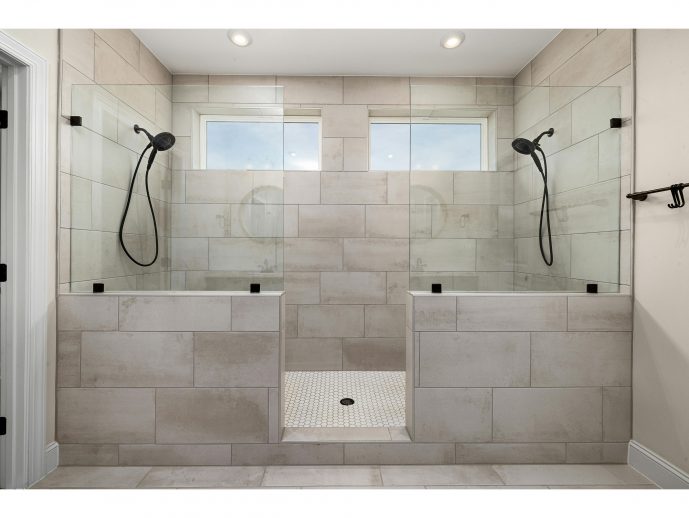
Large tiles (60x60cm and above) create seamless, contemporary aesthetics with fewer grout lines, potentially reducing maintenance whilst making bathrooms feel more spacious. However, large tiles require perfectly flat substrates and expert installation—uneven surfaces cause lippage (uneven tile edges) that looks poor and creates cleaning difficulties.
In small bathrooms, very large tiles can overwhelm the space. Balance tile size against room proportions, ensuring selections feel appropriate rather than either cluttered with small tiles or dominated by oversized ones.
Small Format and Mosaics
Small tiles and mosaics suit curved surfaces, feature areas, and traditional aesthetics beautifully. Mosaic sheets simplify installation of small tile formats, though the increased grout lines require more maintenance and thorough sealing to prevent moisture penetration.
Small tiles work particularly well for shower floors, as their increased grout coverage provides enhanced slip resistance compared to large-format tiles with minimal grout lines.
Grout Selection and Installation
Grout Type Matters
Grout choice influences bathroom tile performance significantly. Epoxy grout provides superior moisture resistance and stain prevention compared to traditional cement-based grout, making it ideal for showers and wetrooms despite higher cost and more difficult application.
For cement-based grouts, ensure proper sealing after installation and periodic resealing maintains water resistance. Unsealed grout absorbs moisture, encouraging mould growth and eventual deterioration.
Professional Installation Value
Bathroom tiling demands precise installation—proper waterproofing membranes, correct adhesive selection, appropriate falls for drainage, and meticulous grouting. Poor installation undermines even the highest-quality tiles, creating leak pathways, standing water, and premature failure.
Professional installation proves particularly important for wetrooms, walk-in showers, and any tiled areas requiring integrated waterproofing. The modest additional investment prevents catastrophic water damage that makes DIY savings seem trivial in comparison.
Maintenance and Longevity
Cleaning Requirements
Different tile materials require varying maintenance approaches. Porcelain and ceramic tiles generally need only regular cleaning with pH-neutral cleaners, whilst natural stone requires specialized products avoiding acids that damage or etch surfaces.
Avoid abrasive cleaners on any bathroom tiles, as these scratch glazed surfaces and damage grout. Harsh chemicals might provide short-term cleaning effectiveness but accelerate grout deterioration and dull tile finishes over time.
Long-Term Durability
Quality bathroom tiles properly installed should last decades without replacement. Porcelain tiles in particular prove remarkably durable, maintaining appearance and integrity through years of daily use. This longevity makes investing in quality tiles economical—premium tiles costing moderately more upfront deliver superior performance and lifespan that lower-quality alternatives cannot match.
FAQ
Can I use the same tiles on bathroom floors and walls?
Whilst aesthetically cohesive, using identical tiles throughout requires careful selection. Wall tiles sometimes lack necessary slip resistance for safe flooring. If using matching tiles, ensure floor versions meet slip resistance requirements—many ranges offer coordinating wall and floor options with appropriate finishes for each application.
How do I prevent grout discolouration in bathrooms?
Use quality grout, seal it properly after installation, ensure adequate ventilation to reduce humidity, and clean regularly with appropriate products. Epoxy grout resists discolouration better than cement-based alternatives. Regular cleaning prevents mould and mildew establishing, which causes much grout discolouration.
Are darker tiles harder to maintain than light colours?
Both present different challenges—light tiles show dirt and staining more readily, whilst dark tiles show water spots, soap residue, and limescale prominently. Medium tones or patterned tiles often prove most forgiving for maintenance, disguising minor marks between cleaning sessions.
Should I tile behind the toilet and vanity?
Tiling behind fixed elements isn't structurally necessary but proves beneficial—it prevents moisture damage to walls, simplifies future renovations if layouts change, and creates more cohesive aesthetics. The modest additional tiling cost proves worthwhile for these benefits.
How soon after tiling can I use the bathroom?
Allow adhesive to cure fully before water exposure—typically 24-48 hours for walls, 48-72 hours for floors. Grout requires similar curing time before sealing. Rushing this process risks tile movement, grout damage, and compromised waterproofing. Follow your installer's specific recommendations based on products used.
Conclusion
Selecting appropriate bathroom tiles requires balancing aesthetic preferences against practical considerations of moisture resistance, slip safety, durability, and maintenance requirements. Porcelain tiles generally provide optimal performance for bathroom applications, offering exceptional water resistance, longevity, and design versatility, whilst quality ceramic tiles suit many bathroom areas effectively at lower cost. Understanding material characteristics, finish implications, and proper installation requirements ensures your bathroom tiling delivers beautiful, durable results that withstand demanding moisture conditions whilst maintaining their appearance through decades of daily use. The investment in quality materials and professional installation pays dividends through reduced maintenance, enhanced safety, and the satisfaction of bathrooms that remain attractive and functional long after installation.
Comments
