Categories more
- Adventures (127)
- Arts / Collectables (68)
- Automotive (111)
- Aviation (138)
- Bath, Body, & Health (296)
- Children (65)
- Cigars / Spirits (138)
- Cuisine (320)
- Design/Architecture (128)
- Electronics (106)
- Entertainment (69)
- Event Planning (171)
- Fashion (240)
- Finance (19)
- Gifts / Misc (63)
- Home Decor (251)
- Jewelry (181)
- Pets (34)
- Philanthropy (7)
- Real Estate (155)
- Services (82)
- Sports / Golf (63)
- Vacation / Travel (614)
- Watches / Pens (115)
- Wines / Vines (529)
- Yachting / Boating (165)


How to Choose the Right Dancewear for Young Dancers

Published
08/10/2026For busy families, the right dancewear starts with the class schedule, the studio rules, and the child’s comfort. Ballet, jazz, tap, and contemporary classes each place different demands on clothing and footwear, so every purchase should support movement, confidence, and the family budget.
Understand the class and studio requirements
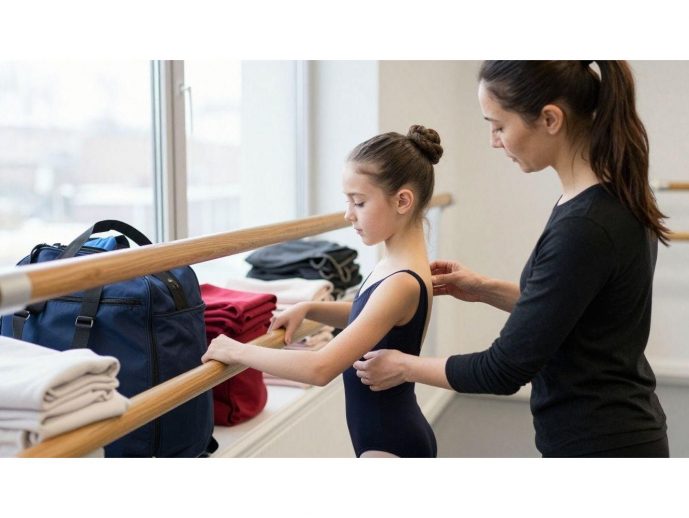
Ballet calls for close-fitting clothing so instructors can see alignment, while jazz and contemporary need more stretch for traveling steps and jumps, and tap needs shoes for firm floor contact. Many studios specify colors, garment types, tights, shoes, or hair rules that vary by age and level, so read the registration details first. Keep durable practice clothing separate from recital costumes, and pack easy-off warm-up layers for travel and changing temperatures.
Prioritize fit, comfort, and freedom of movement
Dancewear should stay in place while the dancer bends, stretches, turns, and jumps—secure without pressure points or a limited range of motion. A fitted outfit should follow the body without pulling, and straps, waistbands, seams, and leg openings shouldn’t dig in. Have the dancer raise both arms, bend forward, and lift a leg to reveal shifting or pinching. Red marks signal a garment that is too tight; gaping and sliding straps signal one that is too loose.
Choose fabrics that support active movement
Cotton feels soft and familiar, nylon offers a smooth, durable feel, and spandex adds stretch that lets clothing move with the body; in blends, fiber percentages matter more than the name. Look for breathability, quick drying between classes, and opacity that holds during deep bends. Coverage should suit the dancer’s age and studio rules.
Find the right size as young dancers grow
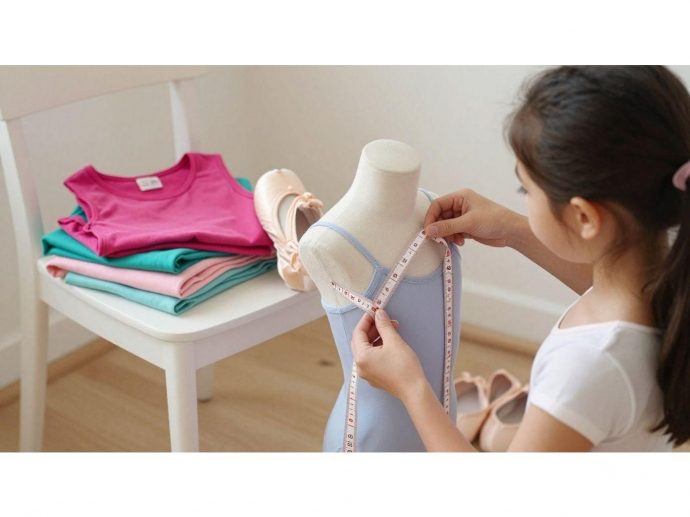
Sizing dancewear is more precise than choosing a shirt by age—torso length can change a leotard’s fit even when the chest and waist seem right. Measure the chest, natural waist, hips, and torso with a level tape, and compare the numbers against brand-specific size charts.
For Stelle dancewear, parents can compare the dancer’s measurements with the relevant product size chart before ordering. That process supports a more confident online purchase and is more dependable than assuming a child’s age always matches one size.
Choose a close fit when the teacher needs to see alignment, and check return policies before ordering online.
Select appropriate shoes and accessories
The class sets the shoe type: ballet shoes for ballet, specific footwear for jazz and tap, and bare feet, socks, or dance sneakers for contemporary. Don’t substitute a look-alike shoe—ask the instructor. A dance shoe should bend where the foot bends, hold the heel securely, and be tried on with class socks. Pack only what the studio requires, and replace footwear when it loses support or no longer fits.
Evaluate Stelle dancewear as affordable, practical basics
Stelle is a mom-founded, woman-led brand that makes dancewear and activewear more accessible for women and girls. When families review Stelle dancewear, the decision should still start with the child’s class list, measurements, and studio rules, then move to fit, coverage, comfort, and movement.
Families can compare product details with what the dancer actually needs each week, including fabric feel, care instructions, color options, and size guidance. A garment that works for practice may not meet recital requirements, and a shoe intended for one class may not suit another. Careful matching keeps the purchase useful without overspending.
Review Stelle leotards for fit, coverage, and movement
When reviewing Stelle leotards, parents should check the torso length, neckline, back, leg openings, and overall ease. The dancer can repeat the same bend, stretch, and arm movements used during a fitting. The leotard should remain comfortable and appropriately covered throughout.
The product description and size chart should be read together. A preferred color or design is a secondary consideration if the garment shifts or restricts movement. Stelle leotards are best assessed as practice pieces only when they align with the studio’s requirements.
Compare Stelle jazz shoes with the dancer’s class requirements
Stelle jazz shoes should be compared with the class instructions before ordering. The family should confirm that jazz footwear is actually required and then check the shoe’s fit, flexibility, and traction for the dancer. The instructor’s expectations take priority over a general product category.
The dancer should try the shoes with the usual class socks. A secure heel and comfortable toe area matter during turns, steps, and repeated travel. If the studio specifies a particular style or color, that requirement should guide the selection.
Assess construction quality, comfort, and wash durability
Construction can be reviewed through seams, elastic, closures, lining, and the finish around openings. Comfort should be judged after several movements, not only during a brief try-on. For families who wash dancewear often, durable stitching, soft texture, and fabric that keeps its coverage are practical value points.
Parents should record which pieces are worn most often and how they hold up. That simple observation is more useful than a broad assumption about longevity. A well-used item may need replacement sooner than a rarely worn one, even if both were purchased together.
Coordinate practical basics with the studio’s dress code
A practical Stelle purchase still needs to fit the studio’s rules. Parents can confirm required colors, garment types, tights, and shoes before adding an item to the cart. This avoids building a drawer of attractive pieces that cannot be worn in class.
The most useful basics are easy to identify, wash, and pack. They should work with the dancer’s existing layers and accessories where possible. Stelle dancewear may fit into that rotation when the individual product matches the class, size, and care needs.
Conclusion
Choosing dancewear for a young dancer starts with class requirements, then moves through fit, fabric, sizing, footwear, and care. Stelle dancewear can be reviewed as an accessible option for families who want comfortable, high-quality basics without losing sight of budget. A smaller collection of suitable pieces will usually serve the weekly routine better than a crowded drawer of unreliable choices.
Comments
