Categories more
- Adventures (62)
- Arts / Collectables (14)
- Automotive (77)
- Aviation (68)
- Bath, Body, & Health (127)
- Children (49)
- Cigars / Spirits (72)
- Cuisine (68)
- Design/Architecture (22)
- Electronics (66)
- Entertainment (40)
- Event Planning (116)
- Fashion (47)
- Finance (10)
- Gifts / Misc (7)
- Home Decor (118)
- Jewelry (41)
- Pets (3)
- Philanthropy (1)
- Real Estate (19)
- Services (60)
- Sports / Golf (38)
- Vacation / Travel (101)
- Watches / Pens (72)
- Wines / Vines (34)
- Yachting / Boating (76)



How to Choose the Right Fence for Your Home: A Comprehensive Guide

Published
06/24/2026Table of Contents
- Purpose of the Fence
- Popular Fence Materials
- Cost Considerations
- Neighborhood Guidelines and Regulations
- Maintenance Requirements
- Climate and Environmental Factors
- Installation Options
- Conclusion
Choosing the perfect fence for your home is a decision that can affect not just your property’s appearance, but also its privacy, security, and value. Whether you want to create a safe space for children and pets or add visual interest to your yard, understanding your options is essential. If you are starting your search for fence installation in Cincinnati, OH, it is important to consider local conditions and guidance as well as your own needs and preferences. From material choices to budget and maintenance, considering these factors ahead of time will help streamline the process and ensure you select a fence that best meets your requirements. This guide covers all the important elements to review before you make your final decision, helping you avoid common mistakes and get the most value from your investment.
Purpose of the Fence
Begin your planning by identifying the main purpose for your new fence. Are you hoping to block noise and create privacy, keep children or pets safe, boost security, or add a stylish touch to your yard? For example, privacy fences are typically taller and more solid, while ornamental fences can highlight landscaping or historical features. A clear sense of purpose will help you prioritize certain materials and designs over others. Once you have a design in mind, searching for fencing supplies near me can help you find the materials needed to bring your fencing project to life.
Popular Fence Materials
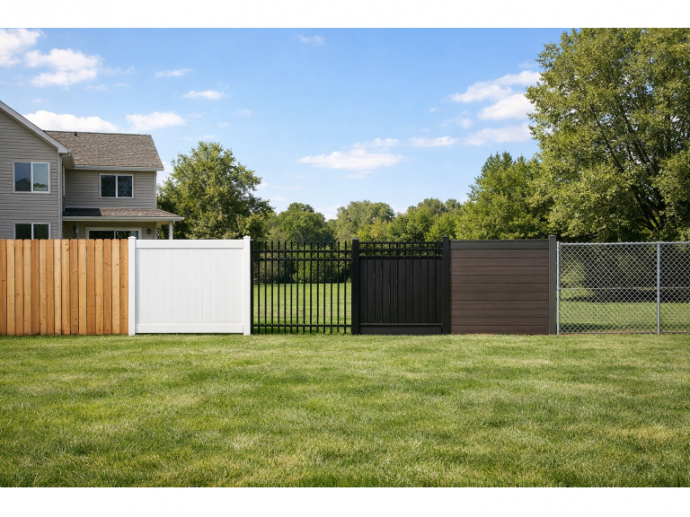
The material you choose affects not only how your fence looks but also how long it lasts and how much upkeep it requires. Several options are available:
- Wood: Timeless and versatile, wood suits most home types and can be stained or painted to match your preferences. However, it is prone to weathering and requires regular maintenance to prevent decay and pest infestations.
- Vinyl: Vinyl fences are a favorite due to their minimal maintenance and durability. They are available in numerous styles and colors, though they may cost more upfront than traditional materials.
- Metal: Choices include steel, aluminum, and wrought iron, each lending a sense of durability and security. While strong, metal fences will need occasional painting or protective treatments to keep rust at bay.
- Composite: Combining recycled plastics with wood fibers, composite fencing delivers the look of wood without as much concern for rot or insects. The trade-off for convenience and sustainability is often a higher purchase price.
- Chain Link: Chain link fences are economical and practical, ideal for property boundaries and pet enclosures, yet offer little in terms of privacy or decorative impact.
Cost Considerations
The budget for your fence will depend not just on the cost per linear foot of the material, but also on property size, design complexity, and installation factors. Wood fencing, for instance, typically falls between $10 and $45 per linear foot, while vinyl ranges from $15 to $40 per linear foot. Beyond materials and labor, extras like gates, custom posts, or decorative tops can drive up the cost, so obtaining several estimates is always recommended.
Neighborhood Guidelines and Regulations
Before installation, research your local zoning ordinances and any homeowner association (HOA) regulations that could affect your project. Guidelines often specify maximum heights, approved materials, fence placement, and even paint colors. Adhering to these rules will help you avoid fines and potential conflicts with neighbors while maintaining your community's overall aesthetic.
Maintenance Requirements
The ongoing maintenance required varies dramatically by material:
- Wood: Needs periodic painting or staining and regular checks for warping or infestation.
- Vinyl: Usually only needs a wash with mild soap and water to remove dirt or mildew.
- Metal: Should be examined for rust and repainted when needed, especially in humid or coastal environments.
- Composite: Remains stable with basic cleaning and little risk of rot.
- Chain Link: Minimal work is required, but it is wise to check periodically for rust or damage that can impact structural integrity.
Climate and Environmental Factors
Your local environment can influence the best type of fencing for your property. Wooden fences may not perform as well in damp, humid climates where rot and mold can set in quickly. Metal fences, while sturdy, can corrode in highly salty air or when continuously exposed to moisture. In contrast, vinyl and composite materials are better suited to areas prone to changing weather conditions, as they are less likely to deteriorate. For homeowners facing regular snow or freezing weather, materials that can withstand the added weight and contraction cycles, such as galvanized metal or composite materials, are a wise investment.
Installation Options
There are two common ways to approach fence installation: DIY or hiring a professional. Installing a fence yourself can save on labor but requires the right tools, time, and skill to achieve straight lines and a solid foundation. Mistakes during installation can lead to stability or compliance issues that may cost more to correct. Professional fence installers ensure each step is done correctly and in line with local codes, though this comes at a higher price.
Conclusion
Your fence should match your home’s style, meet your main priorities, whether they are privacy, safety, or beauty, fit your budget, and be manageable in terms of upkeep. By reviewing these important factors ahead of time and consulting with professionals when needed, you can confidently choose a fence that elevates your property’s value and enjoyment for years to come.
Comments
