Categories more
- Adventures (62)
- Arts / Collectables (14)
- Automotive (77)
- Aviation (65)
- Bath, Body, & Health (123)
- Children (6)
- Cigars / Spirits (71)
- Cuisine (66)
- Design/Architecture (22)
- Electronics (63)
- Entertainment (36)
- Event Planning (115)
- Fashion (45)
- Finance (10)
- Gifts / Misc (6)
- Home Decor (118)
- Jewelry (41)
- Pets (3)
- Philanthropy (1)
- Real Estate (16)
- Services (44)
- Sports / Golf (14)
- Vacation / Travel (85)
- Watches / Pens (33)
- Wines / Vines (34)
- Yachting / Boating (67)



How to Keep Your Cooling System Running Efficiently All Year Round

Published
03/18/2026A well-functioning cooling system plays an important role in maintaining comfort inside the home, especially during warmer months. When everything is operating as it should, indoor temperatures remain consistent and energy use stays relatively stable. However, without proper attention, even a well-installed system can gradually lose efficiency over time.
Keeping a cooling system running efficiently does not always require major changes or technical expertise. In many cases, small habits, routine checks, and timely awareness of performance issues can make a noticeable difference. By understanding how the system works and what influences its efficiency, homeowners can take simple steps to maintain comfort while avoiding unnecessary strain on the equipment.
The Importance of Regular Maintenance
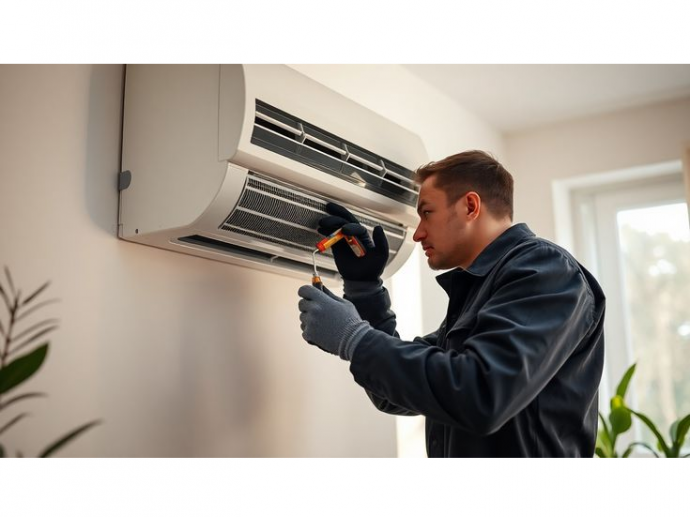
Routine maintenance is one of the most effective ways to ensure a cooling system continues to operate efficiently throughout the year. Over time, dust and debris can accumulate on filters, coils, and internal components, which can restrict airflow and reduce the system’s ability to transfer heat. Regular cleaning and inspection help prevent these issues from building up.
In some situations, homeowners may choose to schedule professional support closest to them. For example, for those in the Central Coast area, people prefer some of the most reliable air conditioner service central coast has to offer. The inspections they carry out help identify minor concerns before they develop into more serious problems. Consistent maintenance not only supports efficiency but also contributes to the longevity of the system by reducing unnecessary wear on key parts.
Recognizing Early Signs of Inefficiency
Cooling systems often provide subtle indicators when performance begins to decline. One common sign is uneven cooling, where certain areas of the home feel warmer than others. This may suggest airflow restrictions, duct issues, or an imbalance in the system’s distribution.
Another sign can be longer cooling cycles, where the system runs for extended periods without reaching the desired temperature. Unusual sounds or a noticeable increase in energy bills may also point to inefficiencies. Paying attention to these early changes allows homeowners to address potential issues sooner rather than later, helping to avoid more complex repairs.
Keeping Airflow Clear and Consistent
Airflow plays a critical role in how effectively a cooling system operates. When air moves freely through the system, it can be cooled and distributed evenly throughout the home. However, blocked or restricted airflow forces the system to work harder to achieve the same results.
Ensuring that vents are open and unobstructed helps maintain proper circulation. Furniture, curtains, or other objects placed too close to vents can interfere with airflow. Additionally, clean filters and ducts allow air to pass through more easily, reducing strain on the system and supporting consistent performance across all rooms.
Managing Thermostat Settings Wisely
Thermostat settings influence how often and how long a cooling system runs. Setting the temperature significantly lower than necessary can cause the system to operate continuously, which increases energy consumption without necessarily improving comfort. Maintaining a moderate and steady temperature helps the system cycle more naturally.
Modern thermostats often include programmable features that adjust temperatures based on daily routines. These features allow the system to reduce activity when the home is unoccupied and resume normal operation when needed. Using the thermostat thoughtfully helps balance comfort with efficiency and prevents unnecessary workload on the system.
The Role of Seasonal Checkups
Seasonal changes can affect how a cooling system performs, particularly during warmer periods when demand increases. Scheduling periodic checkups before peak usage helps ensure that the system is prepared to handle extended operation. During these inspections, key components can be evaluated for wear, cleaned if necessary, and tested for proper function.
These routine evaluations provide an opportunity to catch small issues early and confirm that the system is operating within expected conditions. By preparing the system ahead of time, homeowners can reduce the risk of unexpected interruptions during times when reliable cooling is most needed.
Improving Efficiency Through Small Upgrades
In addition to regular maintenance, small improvements around the home can also support cooling efficiency. Sealing gaps around windows and doors helps prevent cool air from escaping and warm air from entering. Improving insulation can also help maintain a more stable indoor temperature, reducing the workload on the cooling system.
Simple adjustments such as limiting direct sunlight through windows during the hottest parts of the day can also make a difference. When indoor heat gain is reduced, the cooling system does not need to work as hard to maintain a comfortable environment. These incremental changes, when combined, contribute to a more efficient overall system.
Conclusion
Maintaining an efficient cooling system throughout the year involves understanding how the system works, staying attentive to early signs of inefficiency, and supporting proper airflow and thermostat use. Regular maintenance and seasonal checkups help keep components in good condition, while small improvements around the home can further reduce strain on the system. By taking a consistent and mindful approach, homeowners can enjoy reliable comfort while promoting better performance and efficiency over time.
Comments
