Categories more
- Adventures (62)
- Arts / Collectables (14)
- Automotive (77)
- Aviation (65)
- Bath, Body, & Health (123)
- Children (6)
- Cigars / Spirits (71)
- Cuisine (66)
- Design/Architecture (22)
- Electronics (63)
- Entertainment (36)
- Event Planning (115)
- Fashion (45)
- Finance (10)
- Gifts / Misc (6)
- Home Decor (118)
- Jewelry (41)
- Pets (3)
- Philanthropy (1)
- Real Estate (16)
- Services (44)
- Sports / Golf (14)
- Vacation / Travel (85)
- Watches / Pens (33)
- Wines / Vines (34)
- Yachting / Boating (67)



How to Make Face Mask for Glowing Skin: 7 Easy DIY Recipes for a Natural Glow

Published
06/24/2026Key Takeaways
- DIY face masks can deliver radiant results using simple kitchen ingredients like honey, yogurt, turmeric, and avocado
- Each recipe targets a specific skin concern — dullness, dryness, oiliness, sensitivity, or inflammation — so choose based on your skin type
- Consistency matters: Apply these homemade face mask recipes 1-3 times per week for visible improvement in skin tone and texture
- Always patch test a new ingredient on your inner arm before applying to your face, especially with active ingredients like lemon juice or turmeric
- Science supports the glow: Ingredients like lactic acid (yogurt), curcumin (turmeric), and papain (papaya) have clinically proven benefits for skin radiance and repair
- Complement DIY masks with advanced skincare — consider a PDRN overnight mask for deeper cellular regeneration between mask sessions
Introduction
Glowing skin is often viewed as the ultimate sign of health, vitality, and good skincare habits. While expensive serums and professional treatments can certainly help, you don't need a cabinet full of luxury products to achieve a luminous complexion. In fact, some of the most effective ingredients for skin radiance are already sitting in your kitchen.
This guide covers how to make face mask for glowing skin using seven carefully curated DIY face mask for glowing skin recipes. Each recipe is backed by dermatological science and crafted to address specific skin concerns — from dullness and dehydration to uneven tone and inflammation.
Whether you're looking for a brightening boost, a hydration surge, or gentle exfoliation, these homemade face mask for glowing skin recipes are simple, natural, and cost-effective. They also give you complete control over what goes onto your skin — no preservatives, no synthetic fragrances, just pure, nourishing ingredients.
Let's explore what makes a face mask truly effective for that coveted glow, then dive into seven easy recipes you can whip up in minutes.
What Makes a Face Mask Effective for Glowing Skin?
Before we jump into recipes, it's worth understanding the mechanism behind a good face mask. Glowing skin isn't just about surface shine — it reflects healthy, hydrated, well-nourished skin with a strong barrier function.
The Science of Occlusion
When you apply a mask to your face, you create an occlusive layer that traps moisture and heat against the skin. This allows active ingredients to penetrate deeper and work more effectively. According to a 2025 clinical trial published in the Journal of Cosmetic Dermatology, multi-component facial masks significantly improved skin hydration, barrier repair, and anti-aging effects when used consistently.
Key Ingredients for a Natural Glow
The most effective natural face mask for glowing skin recipes rely on ingredients with proven dermatological benefits:
- Honey — A natural humectant that draws moisture into the skin. It also has antibacterial properties that help calm acne-prone skin without stripping moisture.
- Yogurt — Contains lactic acid, a gentle alpha-hydroxy acid (AHA) that exfoliates dead skin cells, improves skin tone, and brightens complexion. The American Academy of Dermatology recognizes lactic acid as an effective exfoliant for improving skin texture.
- Turmeric — The active compound curcumin is a potent anti-inflammatory and antioxidant. A 2016 systematic review in Phytotherapy Research (PubMed) confirmed turmeric's effectiveness for acne, hyperpigmentation, and overall radiance.
- Aloe Vera — Rich in vitamins, minerals, and enzymes that stimulate new cell growth and soothe irritated skin. The AAD notes aloe vera can help heal and calm the skin.
- Avocado — Packed with omega-3 and omega-6 fatty acids that deeply nourish and repair the skin barrier.
- Oatmeal — Contains avenanthramides, compounds with anti-inflammatory and barrier-protective properties recognized by dermatologists for soothing sensitive skin.
- Papaya — Contains the enzyme papain, a natural exfoliant that dissolves dead skin cells without harsh scrubbing.
Why DIY?
The global facial skincare market is projected to grow from USD 107.69 billion in 2025 to USD 178.58 billion by 2034 (Precedence Research). Meanwhile, the face mask market alone is expected to reach USD 16.20 billion by 2031 (Mordor Intelligence). This growth signals a shift toward in-home skincare rituals. DIY masks fit perfectly into this trend — they are cost-effective, customizable, and free from preservatives.
Pro Tip: For best results, apply your DIY masks after cleansing and before moisturizing. Always follow with a good moisturizer to lock in the benefits.
Recipe 1 — Honey and Yogurt Brightening Mask
This is perhaps the simplest and most effective brightening face mask you can make. It combines two powerhouse ingredients that work synergistically to exfoliate and hydrate.
Ingredients
- 1 tablespoon raw honey (preferably Manuka for extra antibacterial benefits)
- 2 tablespoons plain yogurt (Greek yogurt works best for thickness)
Instructions
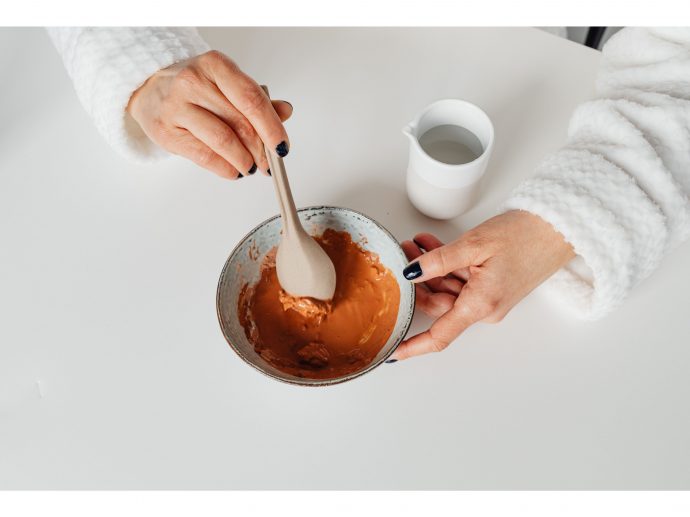
- Mix the honey and yogurt in a small bowl until smooth
- Apply an even layer to clean, damp skin
- Leave on for 15-20 minutes
- Rinse with warm water, gently massaging in circular motions for light exfoliation
- Pat dry and follow with moisturizer
Why It Works
Yogurt contains lactic acid, a mild AHA that gently dissolves dead skin cells and promotes cell turnover. This reveals fresher, brighter skin underneath. Honey acts as a natural humectant, pulling moisture from the air into your skin while soothing any irritation from exfoliation.
Best For
- Dull, lackluster skin
- First-time DIY mask users (very gentle)
- All skin types, including sensitive skin
Frequency
2-3 times per week for visible improvement in skin tone.
Expert Insight: According to the American Academy of Dermatology, lactic acid is one of the best gentle exfoliants for improving skin texture and tone, making this mask an effective homemade face mask for glowing skin.
Recipe 2 — Turmeric and Honey Glow Mask
Turmeric has been used in Ayurvedic skincare for centuries, and modern science backs it up. This turmeric face mask for glow is a classic for a reason.
Ingredients
- 1/2 teaspoon turmeric powder (organic, high-quality)
- 1 tablespoon raw honey
- Optional: 1 teaspoon milk or yogurt (to reduce staining)
Instructions
- Mix turmeric and honey into a smooth paste. Add milk or yogurt if the mixture feels too thick
- Apply an even layer to clean skin, avoiding the eye area
- Leave on for exactly 10 minutes (do not exceed)
- Rinse thoroughly with lukewarm water, gently massaging in circular motions
- Pat dry and follow with moisturizer
Why It Works
Curcumin, the active compound in turmeric, is a powerful antioxidant and anti-inflammatory agent. A PubMed systematic review published in Phytotherapy Research (2016) confirmed that curcumin can reduce hyperpigmentation, calm acne, and improve overall skin radiance. Honey adds moisture and antibacterial protection.
Safety Tip: Avoid Staining
Turmeric can temporarily stain light skin. To minimize this:
- Mix with milk or yogurt (the casein in dairy helps reduce staining)
- Don't leave the mask on longer than 10 minutes
- Rinse thoroughly and follow with a gentle cleanser if needed
Best For
- Uneven skin tone
- Hyperpigmentation and dark spots
- Inflamed or acne-prone skin
Frequency
1-2 times per week.
Note: For a deeper dive into turmeric-based skincare, check out our dedicated guide: How to Make Turmeric Mask for Face: 5 Easy Recipes for Glowing Skin.
Recipe 3 — Avocado and Honey Hydrating Mask
If your skin feels dry, tight, or dehydrated, this avocado face mask for glowing skin is your go-to. It delivers deep nourishment without feeling heavy.
Ingredients
- 1/4 ripe avocado (mashed until smooth)
- 1 tablespoon raw honey
Instructions
- Mash the avocado thoroughly in a bowl until no lumps remain
- Add honey and mix into a creamy paste
- Apply generously to clean, damp skin
- Leave on for 15-20 minutes
- Rinse with warm water, pat dry, and seal with moisturizer
Why It Works
Avocado is rich in omega-3 and omega-6 fatty acids, which are essential for maintaining a healthy skin barrier. These fatty acids penetrate deep into the skin, providing long-lasting hydration and reducing transepidermal water loss. Honey's humectant properties ensure moisture stays locked in.
Best For
- Dry, dehydrated, or flaky skin
- Mature skin showing early signs of aging
- Anyone exposed to harsh weather or indoor heating
Frequency
2-3 times per week, especially during colder months.
Recipe 4 — Oatmeal and Milk Soothing Mask
Sensitive skin needs extra care, and this natural face mask for glowing skin recipe is designed specifically to calm and soothe irritation while gently exfoliating.
Ingredients
- 2 tablespoons ground oatmeal (finely ground, not instant)
- 2 tablespoons milk (or plant-based milk like oat or almond)
- 1 teaspoon honey
Instructions
- Grind oats in a blender or food processor until you have a fine powder
- Mix with milk and honey to form a smooth paste
- Apply a thick layer to clean skin
- Leave on for 15 minutes
- Rinse gently with lukewarm water, using small circular motions for light exfoliation
- Pat dry and moisturize
Why It Works
Oatmeal contains avenanthramides, compounds with potent anti-inflammatory and antioxidant properties that calm irritated skin and strengthen the skin barrier. The AAD recognizes colloidal oatmeal as an effective soothing agent for sensitive skin conditions like eczema. Milk adds gentle hydration, and honey provides antibacterial protection.
Best For
- Sensitive, reactive, or irritated skin
- Rosacea-prone skin
- Post-sun exposure or post-treatment recovery
Frequency
1-2 times per week.
Recipe 5 — Papaya and Honey Enzyme Mask
This is a powerful brightening face mask that uses natural enzymes to gently exfoliate and reveal fresh, glowing skin.
Ingredients
- 1/4 cup mashed ripe papaya (must be fully ripe for active enzymes)
- 1 teaspoon raw honey
Instructions
- Mash the papaya thoroughly in a bowl
- Add honey and mix well
- Apply evenly to clean skin
- Leave on for 10-15 minutes (you may feel a mild tingling sensation — this is normal)
- Rinse with cool water and pat dry
- Follow with moisturizer
Why It Works
Papaya contains the enzyme papain, which naturally dissolves dead skin cells without the need for harsh scrubbing. According to Healthline, papain is a gentle exfoliant that can improve skin texture and brightness. Honey adds moisture and antibacterial protection, making this mask suitable for dull skin that also tends to break out.
Best For
- Dull, congested skin
- Rough texture or uneven skin tone
- Combination skin
Frequency
1-2 times per week. Avoid if you have an active sunburn or broken skin.
Recipe 6 — Aloe Vera and Cucumber Cooling Mask
After a long day in the sun or wind, your skin needs a cooling reset. This mask delivers instant relief while providing deep hydration.
Ingredients
- 2 tablespoons fresh aloe vera gel (or 100% pure store-bought)
- 2 tablespoons cucumber juice or puree (blend fresh cucumber and strain if needed)
Instructions
- Blend cucumber and strain to extract juice, or simply mash into a puree
- Mix with aloe vera gel until smooth
- Apply a generous layer to clean, cool skin
- Leave on for 15-20 minutes
- Rinse with cool water and pat dry
- Follow with a lightweight moisturizer
Why It Works
Aloe vera is packed with vitamins, minerals, and enzymes that stimulate new cell growth and promote wound healing. The AAD notes that aloe vera can help calm inflamed skin and reduce redness. Cucumber is rich in antioxidants and has a high water content, making it an excellent hydrating and cooling agent.
Best For
- Sun-exposed or overheated skin
- Red, irritated, or inflamed skin
- Sensitive skin that needs a gentle hydrate
Frequency
As often as needed, but ideally 2-3 times per week for best results.
Recipe 7 — Banana and Lemon Oil-Control Mask
If you have oily or combination skin, you need a mask that balances sebum production without stripping moisture. This recipe does exactly that.
Ingredients
- 1/2 ripe banana (mashed)
- 5 drops fresh lemon juice (use sparingly)
- 1 teaspoon honey
Instructions
- Mash the banana thoroughly in a bowl
- Add lemon juice and honey, mix well
- Apply a thin even layer to clean skin (avoid the eye area)
- Leave on for 15 minutes
- Rinse with cool water and pat dry
- Follow with an oil-free moisturizer
Why It Works
Banana is rich in potassium and vitamins B6 and C, which nourish the skin and help regulate oil production. Lemon juice contains citric acid, a natural astringent that helps tighten pores and control excess sebum. However, lemon juice can be irritating for some skin types, so use it sparingly and always dilute.
⚠️ Safety Warning
Lemon juice can cause photosensitivity (increased sun sensitivity). Never use this mask before sun exposure, and always follow with sunscreen if you go outside. If you have very sensitive skin, replace lemon juice with apple cider vinegar (diluted with water 1:3) for a gentler effect.
Best For
- Oily or combination skin
- Enlarged pores
- Occasional breakouts
Frequency
1 time per week.
DIY Mask Tips for Best Results
To get the most out of your DIY face mask for glowing skin, follow these professional tips:
Before the Mask
- Always start with a clean face — remove makeup, sunscreen, and surface impurities. A clean canvas allows active ingredients to penetrate deeper.
- Consider gentle exfoliation first to remove dead skin cells, but not on the same day as an enzyme mask (like papaya) to avoid over-exfoliation.
During the Mask
- Apply an even layer using clean hands or a silicone brush. Avoid the eye area and lips.
- Follow timing recommendations strictly — leaving a mask on too long can cause irritation, especially with ingredients like lemon juice or turmeric.
- Relax — lie down and let the mask work. Avoid talking or making expressions that could crack the mask.
After the Mask
- Rinse with lukewarm water — hot water can strip the skin barrier and cause redness.
- Pat dry gently (don't rub) with a clean, soft towel.
- Follow with moisturizer immediately — while skin is still slightly damp, apply your favorite moisturizer to lock in hydration.
- Use sunscreen during the day, especially if you used lemon juice, papaya, or any exfoliating ingredients.
Frequency Guidelines
|
Mask Type |
Frequency |
|
Hydrating (avocado, aloe) |
2-3 times per week |
|
Exfoliating (yogurt, papaya) |
1-2 times per week |
|
Soothing (oatmeal) |
As needed, up to 3 times per week |
|
Brightening (turmeric, lemon) |
1-2 times per week |
Beyond DIY — Taking Your Glow Further with Advanced Skincare
While DIY masks are excellent for surface-level hydration and gentle exfoliation, achieving deep, lasting radiance requires supporting your skin at the cellular level. A healthy skin barrier is the foundation of a glowing complexion, and sometimes our skin needs more than kitchen ingredients to repair and regenerate.
The Science of Cellular Repair
Your skin's ability to regenerate declines with age, sun exposure, and environmental stress. This is where PDRN (polydeoxyribonucleotide) comes in. PDRN is a biomimetic compound with 98% similarity to human DNA, making it highly bioavailable to skin cells. It works by:
- Stimulating collagen synthesis — naturally boosting the skin's structural support
- Activating intrinsic regeneration — helping skin cells repair themselves at the DNA level
- Providing lasting hydration — improving moisture retention over time
PDRN has been used in professional aesthetic treatments for decades, but now it's available in premium skincare products you can use at home.
The Pier Augé Douce Aura Overnight Mask
One standout product is the Douce Aura Overnight Sleeping Mask from French pharmacy brand Pier Augé. This mask combines High-purity PDRN (refined to 99% purity) with hydrators like shea butter, bisabolol, and omega fatty acids. Clinical testing on 33 women over 14 days showed impressive results:
- Radiance Boost: +52.69% — erases dullness for an immediate glow
- Hydration Surge: +45.86% — deeply quenches thirsty skin cells
- Wrinkle Reduction: -20.69% — smooths fine lines and creases
- Plumping Effect: +14.82% — restores youthful volume and bounce
This pdrn overnight mask features a unique cream-to-veil texture that transforms from a rich cream into a transparent, weightless veil as it absorbs. You can use it as a weekly treatment mask (2-3 times per week) or as a daily night cream for continuous repair.
How to Use: Apply a thin layer to clean skin before bed. After about 10 minutes, the formula changes from white to transparent. Massage in any excess — no rinsing needed. Wake up to visibly plumper, more radiant skin.
Pairing a PDRN mask with your weekly DIY ritual creates a well-rounded approach: DIY masks address surface concerns, while PDRN technology works deeper to repair and regenerate from within.
Frequently Asked Questions
Q1: How to make face mask for glowing skin at home?
The simplest method is to mix 1 tablespoon honey + 2 tablespoons plain yogurt. Apply to clean skin, leave for 15-20 minutes, then rinse with warm water. Honey hydrates and soothes, while yogurt's lactic acid gently exfoliates. For other targeted concerns, try turmeric + honey (brightening), avocado + honey (hydration), or papaya + honey (enzyme exfoliation).
Q2: How often should I use a DIY face mask?
Frequency depends on the mask type:
- Hydrating masks (avocado, aloe, oatmeal): 2-3 times per week
- Exfoliating masks (yogurt, papaya, lemon): 1-2 times per week
- Brightening masks (turmeric, lemon): 1-2 times per week
- Soothing masks (oatmeal, aloe): As needed, up to 3 times per week
Overdoing it can strip the skin barrier, so start with once a week and gradually increase.
Q3: Can I mix turmeric and honey for a face mask?
Yes, and it's one of the most effective turmeric face mask for glow recipes. Mix 1/2 teaspoon turmeric powder with 1 tablespoon raw honey. Apply for exactly 10 minutes, then rinse thoroughly. Turmeric's curcumin reduces inflammation and hyperpigmentation, while honey adds moisture. To avoid staining, mix with a splash of milk or yogurt.
Q4: How long should I leave a DIY face mask on?
Most DIY masks should be left on for 15-20 minutes. Masks with citrus or enzyme ingredients (papaya, lemon) should be limited to 10-15 minutes to avoid irritation. Turmeric masks should not exceed 10 minutes to reduce staining risk. Never leave a DIY mask on for more than 30 minutes, as it can dry out or irritate the skin.
Q5: What is the best face mask for glowing skin for oily skin?
The Banana and Lemon Oil-Control Mask (Recipe 7) is excellent for oily skin. Banana nourishes with potassium and B vitamins, while lemon juice tightens pores and controls excess sebum. Alternatively, try the Papaya and Honey Enzyme Mask (Recipe 5) for gentle exfoliation that keeps pores clear without adding oil.
Q6: Should I moisturize after a DIY face mask?
Yes, always. After rinsing off the mask, your skin is more receptive to moisturizers. Apply your regular moisturizer while skin is still slightly damp to lock in hydration and maximize the mask's benefits. Skipping moisturizer can leave your skin feeling tight or dry.
Q7: Can I use lemon juice on my face?
Yes, but with caution. Lemon juice is a natural astringent and contains citric acid, which can help brighten skin and tighten pores. However, it can also cause irritation and increase photosensitivity. Always dilute lemon juice (a few drops in a larger base like honey or yogurt), never apply it undiluted. Use only at night, and always apply sunscreen the next day.
Q8: Is a DIY face mask better than store-bought?
Both have advantages. DIY masks offer:
- Complete ingredient control
- No preservatives or synthetic additives
- Cost-effectiveness
- Customization for skin needs
Store-bought masks offer:
- Formulation stability and consistency
- Higher concentrations of active ingredients
- Better preservation and shelf life
- Professional-grade results (e.g., PDRN-based masks)
For best results, use DIY masks for surface-level hydration and gentle exfoliation, and supplement with advanced products like a PDRN hydrating mask for deeper cellular repair.
Conclusion
Achieving a natural, radiant glow doesn't require a complex, expensive skincare routine. The seven DIY face mask for glowing skin recipes in this guide prove that some of the most effective ingredients are already in your kitchen. From the gentle exfoliation of yogurt and papaya to the deep hydration of avocado and aloe, there's a mask for every skin type and concern.
Remember these key takeaways:
- Choose recipes based on your skin type — hydrating for dry skin, exfoliating for dull skin, soothing for sensitive skin
- Follow frequency guidelines — 1-3 times per week depending on mask type
- Always patch test new ingredients and avoid over-exfoliating
- Complement with advanced care — consider a PDRN-based product like the Pier Augé Douce Aura Overnight Mask for deeper cellular regeneration
By combining the power of natural kitchen ingredients with modern skincare science, you can build a routine that delivers visible, lasting radiance — all from the comfort of your home.
Start with the recipe that speaks to your skin's needs today, and enjoy the glow that comes from caring for your skin naturally.
Comments
