Categories more
- Adventures (62)
- Arts / Collectables (14)
- Automotive (77)
- Aviation (65)
- Bath, Body, & Health (123)
- Children (6)
- Cigars / Spirits (71)
- Cuisine (66)
- Design/Architecture (22)
- Electronics (63)
- Entertainment (36)
- Event Planning (115)
- Fashion (45)
- Finance (10)
- Gifts / Misc (6)
- Home Decor (118)
- Jewelry (41)
- Pets (3)
- Philanthropy (1)
- Real Estate (16)
- Services (44)
- Sports / Golf (14)
- Vacation / Travel (85)
- Watches / Pens (33)
- Wines / Vines (34)
- Yachting / Boating (67)


How to Pick the Best Forex Trading Platform for Your Strategy?

Published
01/25/2026Choosing the right forex trading platform depends on how well it matches a trader’s goals and strategy. The best platform fits the trader’s style, supports their methods, and gives the right balance of tools, cost, and ease of use. Some platforms focus on fast order execution and automation, while others aim to simplify chart analysis or support longer-term decision-making. Understanding these differences helps traders avoid costly mistakes and trade more confidently.
A trading strategy defines which platform works best. A short-term trader may need a system with fast execution and precise order control. A position trader may value research tools, clear data layouts, and advanced chart functions. Every feature, from security settings to mobile access, affects how well a trader stays in control.
The following guide explains how to define trading needs, compare key platform features, and choose a system that supports consistent, informed decisions. Each section moves from understanding the strategy itself to selecting the platform traits that best match it.
Defining Your Strategy and Forex Platform Requirements
A trader needs a clear plan that matches their goals and experience level. The trading platform must also supply the right mix of features, tools, and market access to help that plan work effectively.
Understanding Your Trading Style
Every trader approaches the market differently. Some prefer short-term trades that last minutes or hours, while others hold positions for several days or even weeks. Scalpers need fast execution and tight spreads. Swing traders often value chart customisation and analytical tools that help identify longer trends.
A trader’s comfort with risk also shapes the best setup. Higher leverage may appeal to aggressive traders, but it also increases exposure. Conservative traders usually prefer lower leverage and stable order control. For example, Taurex Forex Platform, along with others like MetaTrader 4, MetaTrader 5, and cTrader, allows users to select account types that match their approach. Each account type affects trade costs, available spreads, and commission models, so choosing one that fits a style of execution helps create consistency in performance. These platforms provide a variety of tools and customisation options to ensure that traders can optimise their experience based on their risk tolerance and trading goals.
Identifying Must-Have Tools and Features
Different strategies require different tools. Technical traders often rely on chart indicators, drawing tools, and historical data. A platform that provides multiple chart setups, fast price feeds, and adjustable order panels simplifies this process. Speed and precision matter for traders who act on small price movements.
Fundamental traders, in contrast, need access to economic calendars, news feeds, and alert notifications. Features like one-click trade entry, custom dashboards, and automated order types save time during fast market changes. Copy-trading and social tools help new traders learn by observing experienced ones. Taurex includes these functions as part of its desktop and mobile setups, which help traders stay consistent between devices.
Evaluating Asset Classes and Market Access
A well-defined strategy often depends on the type of market a trader wants to join. Currency pairs draw those who focus on global economic factors. Others may prefer diversification through commodities, stock CFDs, or indices. Broader market access helps test different approaches in changing conditions.
Platforms that provide access to multiple asset classes let traders take advantage of market opportunities without changing providers. Taurex delivers over a thousand tradable instruments, including forex majors, crypto pairs, and global indices. Access to multiple markets inside a single account helps reduce friction and gives traders flexibility to refine tactics across various conditions.
Key Factors for Choosing the Best Forex Trading Platform
A forex platform should match the trader’s style, technical needs, and level of experience. The main factors include the quality of the user interface, the structure of trading costs, the reliability of trade execution and security systems, and the range of tools and support available for strategy development.
User Experience and Interface
A clean and simple interface allows traders to focus on market movements instead of platform navigation. Strong user experience (UX) and an intuitive user interface (UI) reduce errors during fast market conditions. Clear charts, accessible order buttons, and quick menu layouts help traders execute smarter trades.
A platform with desktop, web, and mobile trading options supports flexibility. Mobile access matters to active traders who monitor positions in pairs like EUR/USD or GBP/USD throughout the day. Customisation, such as adjustable chart layouts and saved templates, makes the platform feel more personal.
Well-created interfaces should also display trade history, account balance, and margin data clearly. A cluttered display can slow decision-making. Fast login, simple order placement, and accurate price display improve usability and confidence in each trade.
Trading Costs and Pricing Models
Trading costs directly affect profitability. Traders should look at spreads, commissions, and inactivity fees before choosing a platform. Some brokers provide raw spreads with separate commissions, while others use a commission-free model with slightly wider spreads. A transparent pricing structure helps traders manage long-term costs.
Leverage and margin requirements also impact risk. Lower leverage limits potential loss for newer traders, while experienced users may prefer higher ratios to increase exposure with smaller capital.
Cost models vary by trading style. For example, scalpers prefer platforms with low spreads and fast execution on pairs like EUR/USD. Swing traders may value lower overnight fees and minimal slippage instead. A clear fee breakdown helps plan trades that align with budget and risk tolerance.
Execution Speed, Reliability, and Security
Fast trade execution matters to anyone reacting to short-term market changes. Delayed order execution can turn a profit into a loss, especially during high volatility. A strong platform maintains stable servers and dependable order placement under heavy demand.
Traders should test how quickly a platform fills both market and limit orders. Consistent execution times support technical strategies like scalping and automated trading. Stability also matters for traders running multiple accounts or trading high volumes.
Security must protect all user data and transactions. Encryption, two-factor authentication, and regulatory compliance protect both funds and identity. Reliable security systems build trust and allow traders to focus on performance instead of risk exposure from outside threats.
Technology, Features, and Support
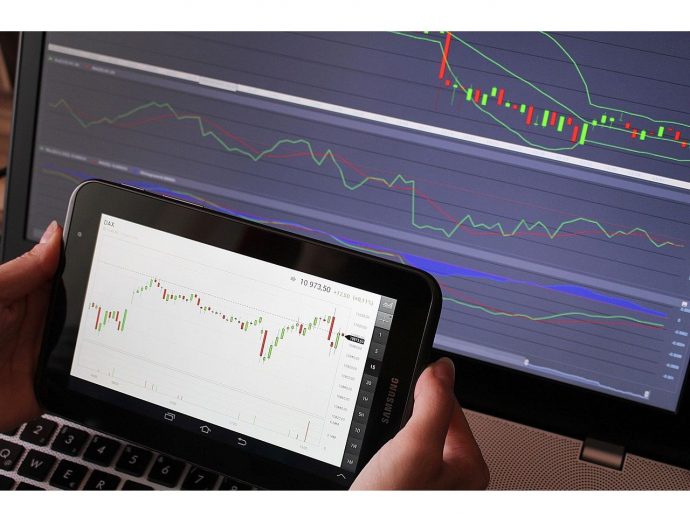
Modern platforms integrate advanced charting and analytical tools for technical analysis. Indicators like RSI, moving averages, Bollinger Bands, and Fibonacci retracements help traders evaluate price behaviour. Access to historical data improves backtesting and supports strategy refinement.
Many traders use automated features such as algorithmic trading or strategy automation to maintain consistency. Built-in scripts save time and reduce emotional errors during live markets. Copy trading and social trading tools let users follow experienced traders or create smart portfolios with balanced risk.
Productive platforms also provide real-time news feeds, an economic calendar, and educational resources such as webinars for continuous learning. Strong customer support, available through chat or phone, helps solve account or technical issues quickly. Clear guidance and consistent service improve confidence and trading efficiency.
Conclusion
Choosing a forex trading platform depends on how well it fits a trader’s goals, experience, and strategy. A clear understanding of one’s trading style helps narrow the options and avoid platforms that do not meet key needs.
A careful review of features such as fees, tools, and security helps traders make better decisions. For example, a beginner may value simple navigation, while an advanced trader may need detailed chart analysis and real-time data.
Traders should also check a platform’s regulation status and the quality of its customer service. These factors can add confidence and stability to trading activity.
In short, the best platform is one that matches the trader’s methods, provides trusted features, and supports steady growth in skill and consistency.
Comments
