Categories more
- Adventures (62)
- Arts / Collectables (14)
- Automotive (77)
- Aviation (59)
- Bath, Body, & Health (123)
- Children (6)
- Cigars / Spirits (71)
- Cuisine (64)
- Design/Architecture (22)
- Electronics (63)
- Entertainment (4)
- Event Planning (13)
- Fashion (45)
- Finance (10)
- Gifts / Misc (6)
- Home Decor (45)
- Jewelry (41)
- Pets (3)
- Philanthropy (1)
- Real Estate (16)
- Services (23)
- Sports / Golf (14)
- Vacation / Travel (69)
- Watches / Pens (14)
- Wines / Vines (33)
- Yachting / Boating (67)


How to Plan a Low-Stress Bryce Canyon National Park Trip

Published
08/20/2026Key Takeaways
- Pick dates based on weather, road conditions, daylight, and likely crowd levels.
- Allow at least one full day to enjoy the main amphitheater without rushing.
- Plan for high elevation, exposed trails, and quick weather changes.
- Use the shuttle during its operating season to reduce parking stress.
- Choose one main hike, then add overlooks and short walks around it.
- Keep a backup plan for storms, snow, closures, or tired legs.
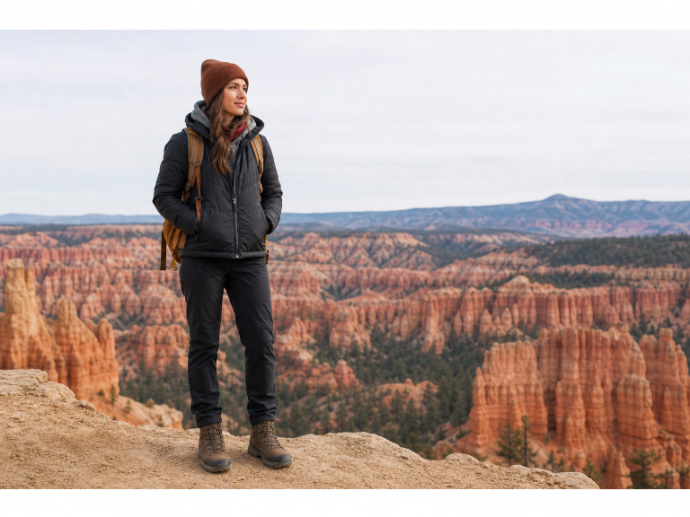
Bryce Canyon National Park rewards visitors who plan the essentials but leave room to slow down. A relaxed trip is less about fitting in every overlook and more about choosing a manageable route, preparing for elevation and weather, and allowing time to enjoy the views without constantly checking the clock.
Choosing a convenient base can simplify the whole experience. Travelers comparing hotels near Bryce Canyon National Park may find Ruby's Inn a useful planning reference, as this historic, family-run Bryce Canyon City property offers hotel accommodations, RV and tent camping, dining, activities, and nearby shuttle access. Located at the park gateway in Southern Utah, Ruby's Inn has long served visitors building trips around Bryce Canyon hikes, scenic drives, and the surrounding red-rock country.
Why Planning Helps
Bryce Canyon is approachable for first-time national park visitors, but popular viewpoints and trailheads can feel busy when everyone arrives at the same time. A basic plan helps your group make good decisions before hunger, weather, traffic, or fatigue become problems. It also prevents the common mistake of treating the park as a quick roadside stop when its viewpoints and trails deserve unhurried time.
The goal is not a rigid schedule. Build a framework around one priority hike, a few viewpoints, meals, and a sunset window. Families can add more rest stops, photographers can allow extra time at overlooks, and travelers adjusting to elevation can keep the first afternoon light.
Choose the Right Dates
Every season offers a distinct Bryce Canyon experience. Spring brings cool temperatures and changing trail conditions. Summer offers long days and broad access to services, but it is also the busiest period. Fall often provides crisp air and a calmer pace. Winter can be remarkably peaceful, with snow highlighting the hoodoos, though visitors should watch road and trail conditions carefully.
Bryce Canyon sits at a much higher elevation than many travelers expect so that it can feel notably cooler than other Southern Utah destinations. Before departing, review the park's hours, seasonal access, and current conditions so your plans account for changing facilities, weather, and temporary closures.
Build a Simple One- or Two-Day Itinerary
One-Day Plan
- Arrive early, check conditions, and start near Sunrise Point or Sunset Point.
- Complete one main hike, such as the Queen's Garden and Navajo combination, when conditions allow.
- Take a mid-day break for food, water, and recovery.
- Visit Bryce Point and Inspiration Point later in the day.
- Finish with sunset, or an evening program if one is available.
Two-Day Plan
- Use day one for the Bryce Amphitheater, the park's signature collection of natural bowls and hoodoos.
- Use day two for the scenic drive toward Rainbow Point, stopping at overlooks that appeal to your group.
- Add a short rim walk, ranger activity, or clear-sky stargazing session rather than another demanding hike.
Plan Parking and Transportation
Transportation choices can determine whether the day feels easy or frustrating. The park shuttle is especially useful around the amphitheater, where parking is limited, and hikers can occupy lots for hours. The Bryce Canyon shuttle schedule and stops show the seasonal operating dates, hours, and major viewpoints served.
- Arrive early during summer weekends and holiday periods.
- Consider boarding in Bryce Canyon City instead of driving straight to every overlook.
- Check the final shuttle departure before beginning a long hike.
- Keep offline directions available in case mobile service is inconsistent.
- Allow extra time for slow traffic, construction, or weather-related delays.
Pick the Right Hikes for Your Energy
Choose trails by effort, not just popularity. Easy options include rim walks around Sunrise Point and Sunset Point, as well as paved overlooks. Moderate hikers often enjoy a route that descends through the hoodoos before climbing back to the rim. More demanding trails require extra time, better footing, and confidence for longer uphill returns.
The most important rule for Bryce Canyon hiking is simple: going down is only half the hike. Save water, snacks, and energy for the climb out. Wear shoes with reliable traction, especially after rain or snow, and check trail status before setting out.
Prepare for Weather and Elevation
Bright sun can turn into wind, rain, or even snow surprisingly quickly at Bryce Canyon. Elevation can also make familiar activities feel harder, particularly during the first day of a trip. Start slowly, drink water consistently, and let the pace of the least-acclimated person guide the group.
- Wear light layers plus a warm outer layer.
- Carry water, sunscreen, sunglasses, and a sun hat.
- Bring traction aids and gloves for winter conditions.
- Check the forecast again on the morning of your hike.
- Shorten plans and move away from exposed areas when lightning approaches.
Choose Lodging That Fits Your Plans
Staying nearby makes early starts easier and reduces the risk of driving tired after a long day. Compare practical details such as parking, breakfast, pet policies, room layout, campground needs, late check-in, and shuttle convenience. The best choice is the one that supports your pace and keeps the start of each park day simple.
Pack for Comfort and Safety
- Refillable water bottle or hydration pack
- Snacks for hikes and road travel
- Trail shoes with a firm grip
- Small first-aid kit and portable phone battery
- Offline map, park pass, and reservation details
- Extra socks, warm layers, gloves, and traction aids in colder months
Create a Backup Plan
A flexible itinerary is often the best itinerary. If a trail closes, weather moves in, or your group needs an easier afternoon, switch to overlooks, the visitor center, a scenic drive, nearby Red Canyon, or a relaxed meal in the gateway area. Keep one low-effort activity ready for poor weather and one outdoor alternative for a clear but crowded day.
Final Checklist
- Confirm lodging dates and arrival details.
- Check the forecast, road alerts, and trail conditions.
- Verify park fees, passes, and shuttle operations.
- Pack water, layers, food, sun protection, and proper footwear.
- Choose a main hike and at least two backup options.
A low-stress Bryce Canyon trip does not require a packed agenda. With sensible timing, a practical route, and flexibility for weather and energy levels, you can spend less time solving problems and more time enjoying the hoodoos at your own pace.
Comments
