Categories more
- Adventures (200)
- Arts / Collectables (309)
- Automotive (215)
- Aviation (282)
- Bath, Body, & Health (509)
- Children (116)
- Cigars / Spirits (271)
- Cuisine (730)
- Design/Architecture (1092)
- Electronics (222)
- Entertainment (159)
- Event Planning (298)
- Fashion (544)
- Finance (195)
- Gifts / Misc (141)
- Home Decor (554)
- Jewelry (332)
- Pets (91)
- Philanthropy (124)
- Real Estate (384)
- Services (220)
- Sports / Golf (218)
- Vacation / Travel (1057)
- Watches / Pens (218)
- Wines / Vines (868)
- Yachting / Boating (281)



How to Plan a Luxury Home Remodel That Lasts

Published
09/29/2026A luxury remodel should improve how your home looks, feels, and functions every day. The strongest projects start with a clear assessment of the existing space, followed by carefully selected upgrades that support your lifestyle. Before choosing finishes or fixtures, define what feels frustrating now, what already works well, and which changes will deliver lasting value.
Identifying Your Home's Potential
Start with a room-by-room review and note problems such as poor circulation, limited daylight, inadequate storage, and dated systems. Consider how your household may change over the next five to ten years. A guest room might need to double as an office, while an oversized formal dining room could become a more useful entertaining space.
Architectural details can reveal opportunities. High ceilings may support taller windows, and an unused corner could hold built-in cabinetry. For more inspiration, these reasons to begin a home remodeling project can help clarify what you want the finished home to accomplish. Record priorities in three groups: essential repairs, functional improvements, and aesthetic wishes.
Strategic Updates for High Impact
Focus first on changes that affect daily comfort. Improving a kitchen layout, adding storage near an entry, or creating a more functional primary suite can have a greater impact than spreading the budget across several cosmetic updates. The National Association of Realtors' remodeling impact report also connects certain renovation projects with homeowner satisfaction and potential resale appeal.
If the project involves structural changes, custom millwork, or several connected rooms, professional guidance can keep design and construction decisions aligned. Homeowners in Nashville, Brentwood, and Franklin who are considering remodeling a house can work with a team that provides design, budgeting, pre-construction planning, and construction management throughout the project. Having that support from the early planning stages can help keep the scope, materials, and construction decisions aligned. Set aside a contingency fund of roughly 10% to 20% for hidden damage or scope changes.
The Remodeling Journey: From Idea to Reality
Turn your wish list into a written project brief that includes the rooms involved, preferred style, target budget, and practical requirements. Share reference photos, but explain what appeals to you in each one. A designer needs to know that you like the concealed storage or warm lighting, not simply that you admire the entire room.
Next, request drawings, specifications, and an itemized proposal. Confirm who will handle permits, product orders, and site supervision. Ask for a projected schedule with key milestones, while allowing for weather, inspections, and material lead times. Before work begins, decide how contractors will access the property and where furniture will be stored. Weekly progress meetings can resolve questions before they affect later stages.
Integrating Smart Home Technology
Plan technology during the design phase so wiring, outlets and equipment can be placed discreetly. Smart lighting is a practical starting point because it lets you create settings for cooking, entertaining and evenings at home. Automated shades, zoned climate controls and leak sensors can also improve comfort while protecting premium finishes.
Check that devices work through a compatible platform and retain basic manual controls. The Department of Energy's guidance on home energy assessments can help identify where insulation, air sealing and efficient equipment deserve attention. Place networking equipment in a ventilated, accessible location, then run extra conduit to key rooms. That small provision makes future upgrades easier without reopening finished walls.
Elevating Aesthetics with Premium Materials
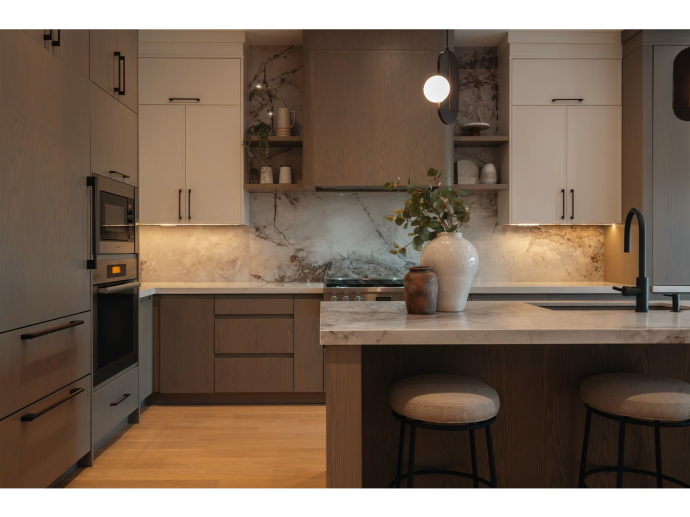
Choose premium materials according to where and how they'll be used. Natural stone brings character to a kitchen island, but a busy family may prefer an engineered surface with simpler maintenance. Wide-plank wood can create visual continuity across living areas, while porcelain tile offers durability in wet rooms and high-traffic entries.
Request full-size samples and view them in the home during morning, afternoon, and evening light. Colors and textures often change under artificial lighting. Use statement materials selectively, such as book-matched stone on a fireplace or handcrafted tile behind a range, then give them room to stand out. Consistent hardware finishes, carefully aligned cabinetry, and well-proportioned trim will make the completed rooms feel composed long after current trends have passed.
A successful luxury remodel should leave fewer daily frustrations and more reasons to enjoy the home. Before approving the final plans, walk through a typical weekday on paper, from the first light switched on in the morning to the last door closed at night. That simple exercise often reveals the details that make an elegant space genuinely livable.
Comments
