Categories more
- Adventures (177)
- Arts / Collectables (180)
- Automotive (180)
- Aviation (236)
- Bath, Body, & Health (415)
- Children (81)
- Cigars / Spirits (202)
- Cuisine (547)
- Design/Architecture (293)
- Electronics (173)
- Entertainment (131)
- Event Planning (262)
- Fashion (401)
- Finance (110)
- Gifts / Misc (105)
- Home Decor (422)
- Jewelry (261)
- Pets (58)
- Philanthropy (62)
- Real Estate (273)
- Services (174)
- Sports / Golf (162)
- Vacation / Travel (883)
- Watches / Pens (170)
- Wines / Vines (668)
- Yachting / Boating (229)



How to Prepare the House for What You Didn’t See Coming

Published
12/10/2025What’s the one thing you always think about after it happens? Power outage? Flooding? A random family member deciding to “drop in” for a long weekend? Whatever it is, it never arrives on your schedule. Emergencies tend to show up uninvited and stay longer than expected.
And in Central Texas, where sudden weather swings, unexpected power failures, and surprise home repairs are practically seasonal, preparation isn’t just about survival—it’s about staying functional. This isn’t a place where things stay predictable for long. One day it’s blue skies and birds. The next, a wind gust knocks out your Wi-Fi and your fence at the same time.
A few years ago, you might have called that unlucky. Now, it’s just Tuesday.
In this blog, we will share how to get your home ready for the kinds of disruptions that don’t give warnings, don’t wait for your next paycheck, and definitely don’t care if you have guests over.
Why ‘Surprise-Proofing’ Your House Is No Longer Optional
The biggest change in homeownership today isn’t tech upgrades—it’s the need for homes to work when life goes sideways. With supply delays, rising costs, and extreme weather hitting unexpected places, stability isn’t guaranteed. That’s why you start with what moves. Access points often fail first. A stuck door or broken opener can trap you when time matters—or leave your home exposed when it shouldn’t be.
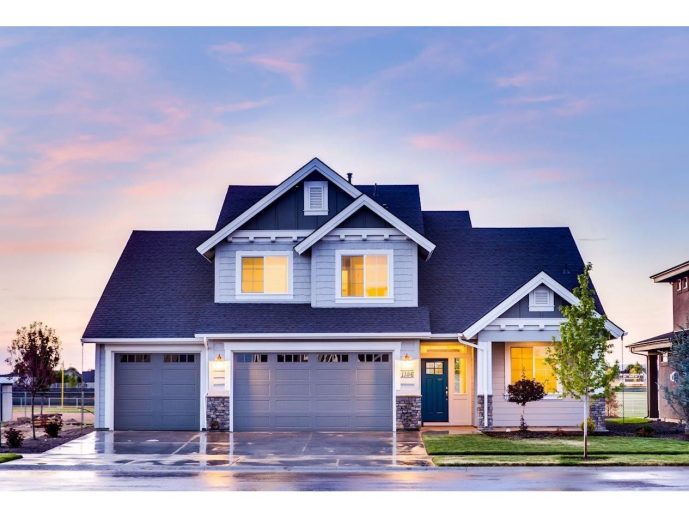
This is exactly why many residents now search for a garage door installation company near me in Central Texas before things go sideways. A professionally installed system can mean the difference between opening your garage from a phone during a power outage or manually lifting a rusted panel while the wind howls outside.
It’s not just about convenience. It’s about control. When everything around you feels unpredictable, having the ability to move freely in and out of your space gives you an edge.
The good news? Emergency-proofing your home doesn’t have to mean installing bunkers or hoarding water in the attic. It’s about designing with speed, stability, and flexibility in mind.
Focus on Access First, Not Aesthetics
A lot of people prioritize how their home looks. But when emergencies happen, it’s the function that saves the day. Doors that close properly. Locks that hold. A driveway that doesn’t flood every time it rains sideways.
The garage, often ignored unless it’s being cleaned for spring, is a prime access point. It connects your home to your vehicle, your tools, and sometimes even your backup power. If it fails, you lose a critical line of movement.
A good door system includes a reliable motor, updated sensors, and a smooth track. You’ll also want a manual release you can use without a ladder and one that doesn’t require Hulk-level strength.
And don’t stop there. Think about lighting. Solar backup lights near key entry points can make a world of difference when power is out. Motion sensors aren’t just for aesthetics—they help people feel safer, and they guide your steps in dark corners.
If you’ve ever tried to find your way around the garage with a dying phone flashlight, you already know why this matters.
Don’t Wait for a Forecast to Fix a Weak Spot
Many homeowners wait until something breaks before fixing it. That’s a mistake you can’t afford when dealing with unpredictable events.
A small crack in the roof seal? It becomes a leak during the next storm. A misaligned door? Suddenly, it won’t close during a freeze. It’s like your house is whispering hints all year long. Pay attention. That flickering outlet, the grinding noise from the garage, the slow drainage in the guest bathroom—they’re not small problems. They’re previews.
Get your systems inspected regularly. This includes everything from HVAC to insulation gaps. Walk around your home and ask yourself: if the power went out right now, what wouldn’t work? What would trap you inside? What would let someone else in?
Storage Isn’t Just About Clutter—It’s About Access Under Stress
When something unexpected happens, you don’t want to dig through six bins of holiday lights to find a flashlight. Storage should serve speed and clarity.
Put critical items where you can get to them quickly. This means flashlights, first-aid kits, batteries, non-perishable food, and backup phone chargers. Label bins clearly. Keep a designated bag with personal essentials near your garage or exit path in case you need to leave fast.
This isn’t about fear. It’s about reducing chaos. Emergencies are noisy—physically and mentally. You want your surroundings to offer answers, not more questions.
The New Rules of Comfort During Uncomfortable Times
You may not think of comfort as essential during emergencies. But it absolutely is. People don’t make smart decisions when they’re cold, tired, or overstimulated.
Prepare zones in your house that can go quiet when things get loud. A small side room with a chair, lamp, and blankets can make a big difference.
If you have children or elderly family members, create a space with games, puzzles, or books to help keep stress low. Sound machines or soft music can ease nerves when the news or weather feels overwhelming.
Even small details matter. A few extra chargers. A backup pair of glasses. A spare set of keys that actually works. These aren’t luxuries. They’re tools that make hard moments easier to handle.
Where Function Meets Readiness
The homes that stay strong in unpredictable times aren’t always the newest or biggest. They’re the ones where the owners took time to think ahead.
You don’t have to overhaul everything. Just identify weak spots and start with the ones that help you move, access, and communicate better. Check your locks. Reinforce your entry points. Upgrade mechanical systems where needed. And yes, make sure the garage opens when you need it to—not just when it’s convenient.
We don’t get to choose when things fall apart. But we can choose whether our homes help us respond or leave us stuck. The people who sleep better during storms, power cuts, or late-night surprises aren’t lucky. They’re prepared. Quietly, confidently, and sometimes with nothing more than a solid entry point and a working flashlight.
Comments
