Categories more
- Adventures (17)
- Arts / Collectables (14)
- Automotive (36)
- Aviation (11)
- Bath, Body, & Health (76)
- Children (6)
- Cigars / Spirits (32)
- Cuisine (16)
- Design/Architecture (22)
- Electronics (13)
- Entertainment (4)
- Event Planning (5)
- Fashion (45)
- Finance (10)
- Gifts / Misc (6)
- Home Decor (45)
- Jewelry (41)
- Pets (3)
- Philanthropy (1)
- Real Estate (16)
- Services (23)
- Sports / Golf (14)
- Vacation / Travel (59)
- Watches / Pens (14)
- Wines / Vines (24)
- Yachting / Boating (17)


How to Prepare Your Backyard Before Installing a Pool: Site Prep and Planning Tips

Published
08/17/2026Before a single wall panel goes up, your backyard needs a plan. The right location, a clear read on your yard's terrain, and a solid grasp of local permit rules will save you time, money, and headaches once installation day arrives. A little groundwork now goes a long way toward keeping the whole project on schedule. Here's what to check before you commit to a pool.
Choose the Best Location for Your Pool
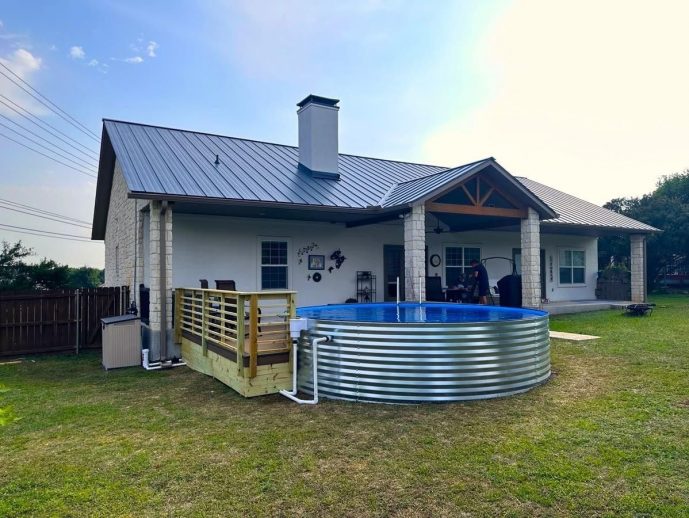
Start by walking your yard and picturing where the pool will actually sit day to day, not just where it looks good on paper. You want a spot that's level, easy to reach from your house, and far enough from trees that roots and falling leaves won't become a constant cleanup job. If you're leaning toward a low-maintenance option, StainlessSwim's galvanized pools are worth a look. Their steel walls hold up well outdoors and don't demand the upkeep that some other above-ground materials do, and the company handles the entire project too, from the first site visit and layout plan through final installation, so you're not stuck coordinating separate contractors for grading, plumbing, and the pool itself.
Check Sunlight, Shade, and Wind Exposure
A spot that gets a few hours of shade in the afternoon can make a real difference on hot Texas days, so pay attention to how the sun moves across your yard before settling on a location. Too much shade, though, and the water stays cooler than most swimmers like. Wind matters too. A yard that catches strong gusts will need more frequent skimming, since leaves and debris get blown in faster than in a sheltered corner. If your property backs up to open fields or doesn't have much of a windbreak, consider a spot near a fence line or a row of shrubs that can cut down on the airflow reaching the pool surface.
Measure the Available Space
Once you've narrowed down a location, get exact measurements of the area. Round pools need clearance on all sides, not just for the pool itself but for a deck, steps, and enough walking room around the perimeter. A common mistake is measuring only the pool's diameter and forgetting the extra few feet needed for equipment, fencing, or a future deck addition. Sketch out the space with actual dimensions, and leave a buffer of at least three to four feet beyond the pool's edge so the area doesn't feel cramped once everything is built.
Check the Ground and Yard Conditions
Look closely at how your yard drains after it rains. Standing water near your chosen spot is a sign the ground isn't level or that water tends to pool there naturally, both of which can cause problems once the pool is in place. Keep an eye out for these signs when you walk the yard:
- Standing water or puddles that linger after rain
- Sandy or loose soil that may need extra compacting
- Dense clay soil that holds water and drains poorly
- Rocky or uneven ground hiding just beneath the topsoil
Walk the site again after a rainstorm if you can, since that's often when yard problems reveal themselves that you wouldn't notice on a dry day. It's also a good idea to check the yard at a few different times of day, since shifting sun and shade can affect how quickly water evaporates from low spots. Catching these issues early means the crew can address them during prep instead of running into surprises once excavation starts, which keeps the timeline on track and avoids added costs down the line.
Plan Utilities and Pool Equipment Placement
Your pump, filter, and any heating equipment need a dedicated spot near the pool but not directly in the walking path. Aim for a location that's easy to access for maintenance and repairs, ideally somewhere that doesn't sit in direct view from your patio or main outdoor living area. Give equipment its own small pad or platform, since keeping it off bare ground helps it stay clean and reduces wear over time.
Prepare Electrical and Water Connections
Most pool pumps run on a standard 120V GFCI outlet, but if you're considering a heating and cooling unit, you'll need a dedicated 220V hardwired connection instead. It's worth having an electrician assess your yard's current setup early on, since running new lines after the pool is installed is far more disruptive than planning for them ahead of time. StainlessSwim can walk you through these requirements as part of the planning process, so you know exactly what your setup needs before installation day. You'll also want a nearby water source for filling the pool and for regular top-offs, so check that your existing hose bib reaches the site or plan for a new one.
Review Permits and Local Pool Requirements
Permit rules vary by city and county, so check with your local building department before finalizing your plans. Some areas require permits based on pool depth or water volume, while others have specific rules about fencing, setback distances from property lines, or safety barriers. Skipping this step can lead to fines or, worse, having to modify or remove a pool that doesn't meet code. A quick call to your local permitting office early in the planning process will tell you exactly what's required and help you avoid surprises later.
Conclusion: Get Your Backyard Ready for a Smooth Pool Installation
Good site prep isn't the most exciting part of getting a pool, but it's what separates a smooth installation from a stressful one. Taking the time to check your location, measure carefully, assess your soil, and confirm your permit requirements means fewer surprises once the work actually begins. It also puts you in a much stronger position once the actual build starts, since the crew can move straight into installation instead of pausing to work around issues that could have been caught earlier. Most delays and unexpected costs trace back to something that could have been spotted during this planning stage, so the effort you put in now pays off in a project that goes according to plan.
If you'd rather skip the guesswork, StainlessSwim offers custom tank pools built to fit your yard's exact conditions, with a team that manages the planning and installation process from start to finish. Reach out, and they'll walk you through what your backyard needs before the first panel ever goes in the ground.
Comments
