Categories more
- Adventures (62)
- Arts / Collectables (14)
- Automotive (77)
- Aviation (65)
- Bath, Body, & Health (123)
- Children (6)
- Cigars / Spirits (71)
- Cuisine (66)
- Design/Architecture (22)
- Electronics (63)
- Entertainment (36)
- Event Planning (115)
- Fashion (45)
- Finance (10)
- Gifts / Misc (6)
- Home Decor (118)
- Jewelry (41)
- Pets (3)
- Philanthropy (1)
- Real Estate (16)
- Services (44)
- Sports / Golf (14)
- Vacation / Travel (85)
- Watches / Pens (33)
- Wines / Vines (34)
- Yachting / Boating (67)



How to Select the Right Private Coach for Your Child’s Athletic Future

Published
02/08/2026Watching a child struggle to master a skill during a crowded team practice is tough. The head coach has a dozen other players to manage, so specific feedback is often rare. Hiring a private instructor changes that dynamic by giving the athlete a dedicated set of eyes to correct mistakes before they become bad habits. But finding the right fit is tricky. You aren't just hiring a trainer; you are inviting a new influence into your child’s life.
They Have Skills for Teaching, Not Just Playing
Many parents assume a former pro player is automatically the best choice. That is often a mistake. Being able to execute a perfect play is different from teaching a ten-year-old how to do it. You should look for credentials (e.g., a degree in kinesiology or a specific coaching license) that show they treat coaching as a serious profession. A skilled educator can explain the same concept in three different ways until it clicks, whereas a former star might struggle to articulate the "how" and "why."
They Can Handle the Pressure of Competition
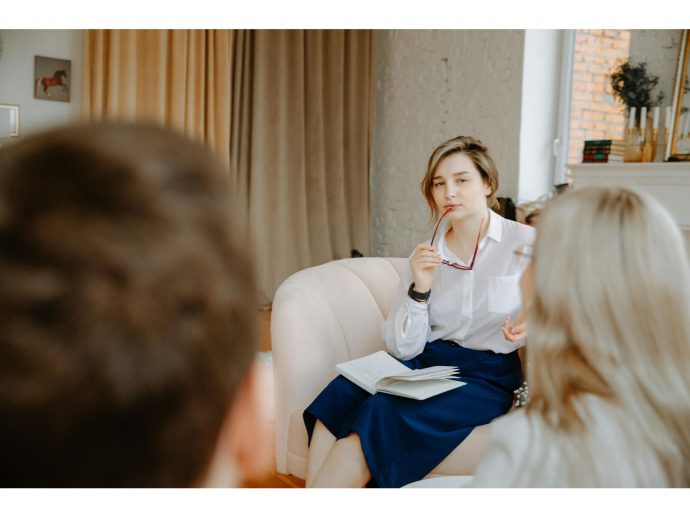
Strong muscles do not matter if the brain locks up when the score is close. Kids today face massive pressure to perform, which often leads to anxiety, hesitation, or fear of failure. A quality mentor knows this. They utilize techniques from applied sports psychology to help athletes stay calm and focused.
Good coaches start by listening. They try to understand where the stress comes from, looking for patterns in the athlete's behavior. Then, they introduce practical tools. This might mean teaching breathing exercises to settle the nerves or using imagery to rehearse a play mentally. The goal is to help the child feel in control, rather than overwhelmed, when the whistle blows.
They Set a Sustainable Pace
Improvement takes time, so be wary of anyone promising a quick fix. A professional will have a plan that breaks big dreams down into small, reachable targets. A responsible coach also keeps a close watch for signs of fatigue. You want a partner who emphasizes:
- Fun and enjoyment
- Proper rest days
- Slow, steady progress
- Health over trophies
This approach keeps the child in the game longer without burning out.
Check for a Personality Match
If the vibe isn't right, the training won't work. Before committing to a package of lessons, sit in on a session. Watch how the coach reacts when your child messes up. Do they explain the error constructively, or do they just yell? The environment must offer psychological safety (i.e., the child knows it is okay to fail while trying new things). Since every kid is unique, you need a coach whose style fits your child’s personality. Some athletes respond to high energy, while others need a calm, steady presence.
Picking a private coach is a big step that impacts how your child views sport. If you focus on how they teach and how they support the mind, you set the stage for a great experience.
Comments
