Categories more
- Adventures (62)
- Arts / Collectables (14)
- Automotive (77)
- Aviation (65)
- Bath, Body, & Health (123)
- Children (6)
- Cigars / Spirits (71)
- Cuisine (66)
- Design/Architecture (22)
- Electronics (63)
- Entertainment (36)
- Event Planning (115)
- Fashion (45)
- Finance (10)
- Gifts / Misc (6)
- Home Decor (118)
- Jewelry (41)
- Pets (3)
- Philanthropy (1)
- Real Estate (16)
- Services (44)
- Sports / Golf (14)
- Vacation / Travel (85)
- Watches / Pens (33)
- Wines / Vines (34)
- Yachting / Boating (67)


How Warm-Climate Living Is Influencing Modern Home Design

Published
05/10/2026Climate has always influenced architecture, but modern home design is becoming increasingly responsive to how people actually experience daily life in warmer environments. In regions where high temperatures remain consistent for much of the year, homeowners are placing greater emphasis on comfort, airflow, energy efficiency, and indoor environmental quality rather than focusing solely on visual aesthetics.
Luxury homes today are expected to do more than look impressive. They are designed to create environments that feel comfortable, functional, and sustainable throughout changing seasons and extreme weather conditions. As a result, warm-climate living is reshaping how architects, designers, and homeowners approach everything from floor plans and materials to ventilation systems and indoor-outdoor transitions.
Modern residential design increasingly reflects the idea that comfort itself has become an essential part of luxury living.
Indoor-Outdoor Living Became Central to Design
One of the most noticeable effects of warm-climate living is the growing emphasis on indoor-outdoor integration.
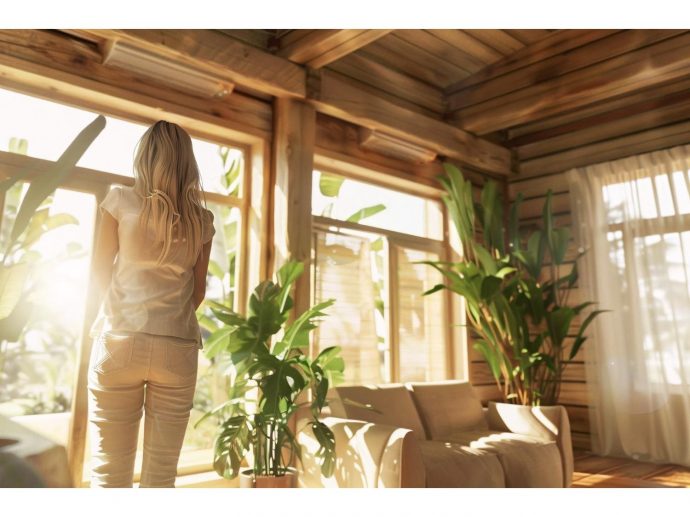
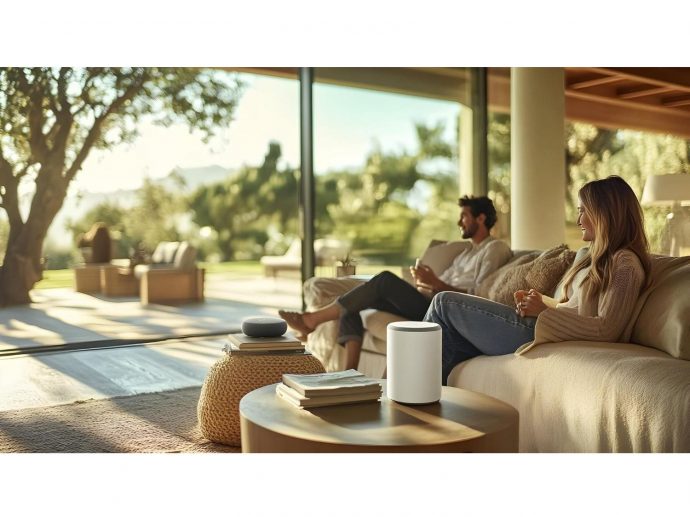
Homes in warmer regions increasingly feature retractable glass walls, covered patios, outdoor kitchens, shaded lounge spaces, and transitional living areas that blur the line between interior and exterior environments. These features allow homeowners to use outdoor spaces more comfortably throughout the year while expanding the functional living area of the property itself.
This shift reflects changing lifestyle priorities.
Many homeowners now value homes that encourage relaxation, entertaining, and flexible living arrangements rather than rigid separation between indoor and outdoor environments. Natural light, open layouts, and stronger connections to surrounding landscapes have therefore become defining elements of modern warm-climate architecture.
Climate Responsiveness Is Becoming More Important
Designers are also paying closer attention to how homes respond to environmental conditions over time.
In warmer climates, excessive heat exposure may affect indoor comfort, energy consumption, and long-term building performance if homes are not properly designed. As a result, modern residential architecture increasingly incorporates shading systems, strategic window placement, insulation improvements, reflective roofing materials, and ventilation planning intended to reduce heat transfer naturally.
This climate-responsive approach helps homes remain more comfortable while reducing unnecessary strain on cooling systems.
Instead of relying solely on mechanical cooling to solve environmental challenges, many modern homes now integrate passive design principles that support more balanced indoor conditions throughout the day.
Energy Efficiency Became Part of Luxury
Energy efficiency is no longer viewed simply as a practical consideration. Increasingly, it has become associated with smarter and more refined living.
Luxury homeowners often expect homes that maintain stable indoor comfort without excessive energy consumption or operational inefficiency. This has encouraged greater investment in advanced insulation systems, energy-efficient windows, smart climate controls, and modern HVAC infrastructure designed to support long-term performance.
In warmer regions where cooling demands remain consistently high, HVAC systems play an especially important role in how homes function daily. Demand for professional HVAC installation in Phoenix, AZ has grown alongside broader interest in luxury homes designed to maintain reliable indoor comfort, healthier airflow, and greater energy efficiency despite prolonged exposure to extreme heat. As climate-responsive architecture evolves, hidden systems increasingly shape how luxurious a home actually feels.
Airflow and Ventilation Influence Everyday Comfort
Warm-climate living has also increased awareness surrounding airflow and ventilation.
Poor air circulation may make even visually impressive homes feel uncomfortable during hotter months. Modern home design therefore places greater emphasis on cross-ventilation, ceiling height, airflow pathways, and ventilation systems capable of maintaining fresher indoor environments throughout the year.
This is particularly important as homes become more tightly sealed for energy efficiency purposes. While insulation improvements help reduce cooling loss, they also increase the importance of properly balanced ventilation systems that maintain indoor air quality and temperature consistency simultaneously.
Comfort today depends not only on cooling capacity, but also on how effectively air moves throughout the home itself.
Minimalist Design Reflects Climate Priorities
Another design trend influenced by warm climates is the continued rise of minimalist residential aesthetics. Clean lines, open layouts, lighter materials, natural textures, and uncluttered spaces often help homes feel calmer and cooler visually. Neutral palettes, stone finishes, wood accents, and larger windows contribute to brighter environments that complement warmer surroundings naturally.
Minimalist design also supports functionality by encouraging airflow and reducing visual heaviness within interior spaces. This approach aligns closely with broader luxury trends emphasizing wellness, simplicity, and livable comfort rather than excessive ornamentation.
Smart Technology Supports Climate Management
Technology now plays a major role in warm-climate home design as well.
Smart thermostats, zoning systems, automated shading controls, and integrated environmental monitoring systems allow homeowners to manage indoor comfort far more precisely than before. These technologies help optimize cooling performance while reducing unnecessary energy usage during periods of lower occupancy.
Homeowners increasingly expect homes that adapt automatically to changing conditions rather than requiring constant manual adjustment. This expectation reflects how luxury living itself has become more experience-oriented. Convenience, environmental stability, and seamless functionality now contribute heavily to how premium homes are evaluated.
Wellness Is Influencing Residential Architecture
Wellness-centered design has become another major influence on modern homes in warmer climates. People increasingly view homes as environments supporting relaxation, recovery, productivity, and overall well-being. Natural light, indoor air quality, acoustic comfort, humidity balance, and stable temperatures all influence how restorative a space feels during everyday life.
As a result, residential architecture now incorporates more features designed to improve long-term livability rather than focusing exclusively on visual impact. This shift helps explain why climate control systems, airflow quality, and environmental efficiency now receive far more attention within luxury home design conversations than they once did.
Materials Are Chosen More Strategically
Warm climates also influence how materials are selected throughout the home.
Heat-resistant surfaces, reflective roofing systems, insulated windows, durable exterior finishes, and moisture-resistant materials all contribute to long-term residential performance in hotter environments. Designers increasingly balance visual appeal with environmental durability to ensure homes remain comfortable and efficient over time.
This practical approach reflects a larger shift in luxury design toward sustainability and longevity rather than purely decorative decision-making.
Home Design Is Becoming More Environmentally Aware
Modern residential design increasingly recognizes that homes should respond intelligently to the climates where they exist.
Organizations such as the American Institute of Architects continue emphasizing climate-responsive architecture, sustainable design strategies, and energy-efficient building practices as important parts of long-term residential development.
Warm-climate living has accelerated many of these conversations because environmental conditions directly affect comfort, energy use, and overall quality of life inside the home.
As temperatures continue rising in many regions and homeowners place greater emphasis on wellness-oriented living, climate-responsive design will likely remain one of the defining influences shaping modern residential architecture in the years ahead.
Comments
