Categories more
- Adventures (62)
- Arts / Collectables (14)
- Automotive (77)
- Aviation (65)
- Bath, Body, & Health (123)
- Children (6)
- Cigars / Spirits (71)
- Cuisine (66)
- Design/Architecture (22)
- Electronics (63)
- Entertainment (36)
- Event Planning (115)
- Fashion (45)
- Finance (10)
- Gifts / Misc (6)
- Home Decor (118)
- Jewelry (41)
- Pets (3)
- Philanthropy (1)
- Real Estate (16)
- Services (44)
- Sports / Golf (14)
- Vacation / Travel (85)
- Watches / Pens (33)
- Wines / Vines (34)
- Yachting / Boating (67)


How Water Testing Protects Household Health

Published
03/18/2026Are you worried about what might be in your drinking water at home? Unsafe water can carry harmful bacteria, chemicals, and other contaminants that put your health at risk. This blog will show you how regular water testing helps spot these problems early and keep your family safe.
Keep reading to learn simple steps for cleaner, safer water right from your tap.
Key Health Protections Provided by Water Testing
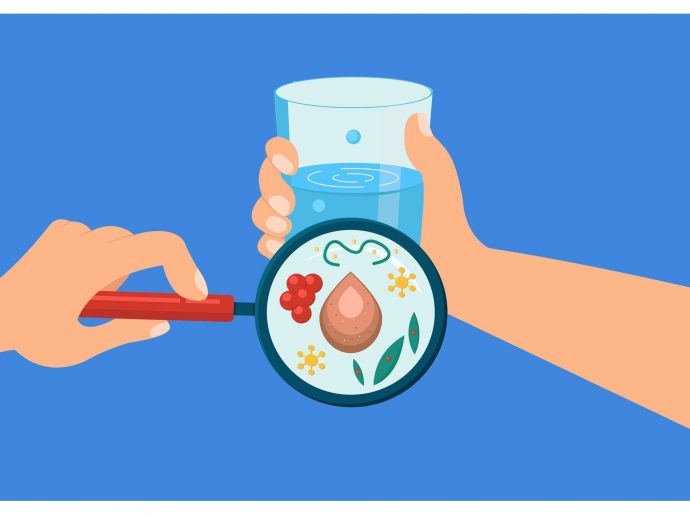
Water testing keeps your drinking water safe and clean. It helps find hidden dangers that can cause health problems for you and your family.
Detecting harmful bacteria and germs
Testing helps find harmful bacteria like E. coli, Salmonella, and coliforms in drinking water. These germs can make people sick with stomach pain, diarrhea, vomiting, or even more serious health risks.
In 2018, the CDC reported that over 7 million Americans got sick from waterborne diseases each year. Children and older adults have a higher risk of getting very ill from these contaminants.
Private well owners should test their water for bacteria at least once a year. Public systems also check for microbes regularly to keep water quality safe. Regular monitoring catches problems early so families can act fast before anyone gets sick.
Clean drinking water is key to public health, says Dr. Jennifer Li from the American Water Works Association.
Identifying toxic chemicals, such as lead and arsenic
After detecting harmful bacteria and germs, the next step is identifying toxic chemicals in your water. Chemicals like lead and arsenic can harm health. Lead often comes from old pipes or plumbing fixtures.
Even small amounts can cause serious problems, especially for children.
Arsenic may enter drinking water from natural sources or pollution. Long-term exposure to arsenic can lead to skin issues and even cancer. Regular testing helps find these chemicals early on.
Knowing what is in your water allows you to take action for safety.
Preventing waterborne illnesses and chronic conditions
Water testing stops waterborne illnesses in their tracks. Harmful germs can lurk in untreated water. These germs cause sickness like diarrhea and stomach pain. Regular tests catch these bacteria early, keeping families safe.
Bad chemicals also harm health over time. For instance, lead from pipes can build up in your body, leading to chronic issues. Testing helps find these dangers before they affect you and your loved ones.
Safe drinking water is key to good health and prevents serious illness later on. Next, let's look at how often you should test your water for the best results.
Recommended Testing Frequencies
You should test your water at least once a year for bacteria and nitrates. If you have heavy metals or pH concerns, test those every few years. After storms or changes in taste, check the water right away.
Annual testing for bacteria and nitrates
Annual testing for bacteria and nitrates is crucial for safe drinking water. Bacteria can cause serious health risks, including stomach issues and infections. Nitrates are harmful too, especially for babies.
They can lead to a condition called "blue baby syndrome," which affects oxygen levels in the blood.
Testing once a year helps ensure your water remains free of these contaminants. Regular checks can catch problems early before they impact your family's health. Staying proactive about water quality supports better safety at home.
Periodic testing for heavy metals and pH levels
Testing for heavy metals and pH levels is vital. This testing helps to ensure your water is safe to drink. Heavy metals like lead can cause serious health problems. They may come from pipes, old plumbing, or industrial waste.
Regular checks help catch these risks early.
pH levels tell us how acidic or basic the water is. Water that is too acidic can corrode pipes, leading to more contaminants getting in. A balanced pH level keeps your drinking water safe and healthy.
Testing every few years protects your family by keeping track of water quality effectively.
Immediate testing after natural disasters or noticeable changes in water quality
Periodic testing for heavy metals and pH levels is important, but immediate testing is crucial after natural disasters or if you notice changes in water quality. Floods, storms, and earthquakes can contaminate your tap water with harmful substances.
This happens when dirt, chemicals, or bacteria enter the water supply.
Changes like a strange smell or color in the water also require swift action. These signs often mean that your drinking water may be unsafe. Testing right away can protect your household from health risks associated with contaminants such as lead and bacteria.
Safe drinking water is essential for everyone’s health at home.
Protecting Private Wells
Regular testing helps find sources of contamination in private wells. This ensures safe water for your family to drink. Want to learn more about keeping yourself safe?
Identifying contamination sources
Finding sources of contamination is vital for safe drinking water. Contaminants can come from various places. For private wells, nearby farms may pollute the water with fertilizers and pesticides.
Old pipes in houses might leach lead into the supply. Testing helps pinpoint these issues. Homeowners who are proactive about indoor environmental safety often use tools like a home mold test kit to check for hidden mold in damp areas, just as water testing kits help detect contaminants in drinking water.
Once you identify contamination sources, you can take steps to fix them. This ensures families have clean and healthy water to drink and use daily. Understanding this process sets the stage for interpreting test results and taking action effectively.
Ensuring safe drinking water for households
Identifying contamination sources helps keep drinking water safe for households. Testing shows if harmful bacteria or toxins are present. Lead and arsenic can be dangerous even in small amounts.
Regular testing finds these issues early, so families can take action right away.
For those with private wells, the risks may be higher. Pollution from nearby farms or factories might seep into well water. Good testing practices ensure that homes have clean drinking water.
Families need to stay informed about their water quality to protect their health and avoid serious risks like waterborne diseases.
Interpreting Test Results and Taking Action
- Interpreting Test Results and Taking Action: Learn how to read your test results and decide what actions to take for safe water. Knowing what’s in your water can help you make the best choices for your family.
Want to find out more?
Understanding test outcomes
Test outcomes show the safety of your water. Results help you understand what is in your drinking water. You might see numbers for contaminants like lead, nitrates, or bacteria. High levels can mean health risks for your family.
If test results show harmful substances, action is needed right away. You can choose treatment solutions like whole home filtration systems to clean your water. Knowing how to read these results helps you keep your household safe and healthy.
Choosing appropriate water treatment solutions
Choosing the right water treatment solutions is key to safe drinking water. Different methods work better for different contaminants.
- Activated carbon filters remove bad taste and odors, as well as some harmful chemicals like chlorine and lead. They are easy to install and use.
- Reverse osmosis systems are more advanced. They filter out many impurities, including heavy metals, bacteria, and viruses. This method ensures cleaner drinking water.
- UV purification uses ultraviolet light to kill bacteria and viruses. It does not change the taste or smell of water, making it a great option after testing.
- Water softeners help if your water has high mineral content, like calcium and magnesium. These minerals can cause scale buildup in pipes and appliances.
- Distillation heats water to create steam that leaves impurities behind. As steam cools, it turns back into clean water without contaminants.
- Ion exchange systems replace harmful ions in water with safe ones. This method works well for reducing levels of lead and nitrates.
Selecting the right treatment solution improves your household's health safety significantly. Understanding how to read test results helps you make informed choices about these options next.
Conclusion
Water testing is vital for family health. It keeps harmful germs and chemicals away from our drinking water. Testing helps us spot problems early. Safe water leads to fewer illnesses and better lives.
Protect your home by staying informed about your water quality.
Comments
