Categories more
- Adventures (213)
- Arts / Collectibles (374)
- Automotive (888)
- Aviation (383)
- Bath, Body & Health (3913)
- Children (138)
- Cigars / Spirits (295)
- Cuisine (727)
- Design / Architecture (1122)
- Electronics (244)
- Entertainment (163)
- Event Planning (295)
- Fashion (555)
- Finance (207)
- Gifts / Misc (141)
- Home Decor (589)
- Jewelry (415)
- Pets (92)
- Philanthropy (124)
- Real Estate (401)
- Services (225)
- Sports / Golf (216)
- Vacation / Travel (1074)
- Watches / Pens (237)
- Wines / Vines (872)
- Yachting / Boating (9084)




How Waterproof Dog Boots Shield Paws From Wet And Muddy Terrain

Published
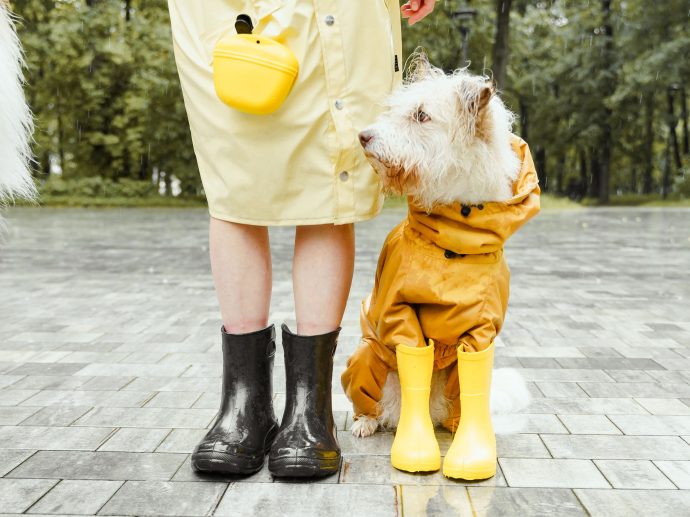
11/03/2026Rain changes a dog walk quickly. Wet grass, puddles, and mud coat the paws, while grit sticks between the toes. Moisture softens skin and increases friction, which can lead to soreness, cracking, or small abrasions after repeated outings. Waterproof dog boots create a barrier between the paw and saturated ground, helping keep feet cleaner and drier. Their value depends on fit, closure, sole grip, and routine care, which the following sections explain in practical terms.
Before leaving home on a wet morning, owners should choose boots that cover the paw without restricting normal flex. A secure upper keeps water outside, while a textured sole separates pads from slick pavement and churned soil. Owners comparing styles can review waterproof doggie rain and suspender boots for examples that connect paw coverage with a garment during longer neighborhood walks and park visits.
How Water and Mud Affect Paws
Mud carries fine grit into spaces around paw pads, where repeated rubbing irritates delicate skin. Standing water also leaves the skin damp after a walk, especially beneath hair between the toes. A wet paw loses some natural protection against friction, so a dog can develop redness or tenderness before the problem appears obvious. Boots reduce direct contact with this mixture and limit debris that sticks during movement, reducing the need for extra care.
What Waterproof Boots Do
A waterproof boot uses a water-resistant outer material and a closed construction to block moisture at the ground-facing surfaces. The upper covers the top of the paw, while the sole shields the pads from puddles, mud, and rough particles. This separation helps maintain cleaner feet during walks and reduces the amount of water carried indoors. It also makes post-walk drying simpler because the boot takes the first contact.
Barrier and Fit
A boot protects only when it stays in place. The opening should sit above the paw without pressing into the leg, and the foot should rest flat inside the boot. A loose fit lets water and grit enter; a tight fit restricts movement and creates pressure points. Adjustable closures help hold the boot securely, but owners should check each paw before a longer outing.
Grip on Slick Ground
Mud changes footing by covering flat surfaces with a slippery layer. A sole with defined tread gives the paw more contact with the ground and helps shed soft mud during each step. Hard pavement creates a different concern because wet surfaces reduce traction. A properly fitted boot keeps the tread beneath the paw instead of twisting sideways as the dog walks.
Choosing the Right Fit
Follow the boot maker’s instructions, because paw width and length determine stability. Have your dog stand while you measure each paw at its widest point, and include the longest toe in the length. Owners should compare those measurements with the selected size rather than relying on breed or weight alone. After fitting, the dog needs an indoor trial before facing puddles or mud. Check for slipping, folded fabric, toe pressure, and dampness around the opening. If a boot rotates or leaves a mark, adjust it or try a different size.
Using Boots on Wet Walks
New boots require gradual practice. Let the dog wear them indoors for a few minutes, then extend the session if the gait stays normal. Some dogs lift their feet at first because the sensation feels unfamiliar. Calm movement and a reward help build acceptance without turning the fitting process into a struggle. Stop the trial if the dog limps, chews repeatedly, or rubs. Examine the paws after removal.
Cleaning and Storage
Rinse mud from the boot after each wet outing. Use clean water and a soft brush to remove particles from the tread, then follow the material's care instructions. Let the boots dry fully before storage, away from direct heat that can damage fabrics or closures. Inspect the sole, seams, and fastening areas for wear. Replace a boot when damage exposes the paw or affects its fit.
Conclusion
Waterproof dog boots work best as part of a wet-weather routine. Select the size based on paw measurements, confirm the sole stays under each foot, and inspect the skin after early walks. Rinse away mud, dry the boots completely, and replace damaged pieces before they expose the paw. For the next rainy outing, test the boots on a short route first, then extend the walk once the dog moves comfortably and the closures stay secure.

Comments