Categories more
- Adventures (68)
- Arts / Collectables (24)
- Automotive (78)
- Aviation (73)
- Bath, Body, & Health (133)
- Children (51)
- Cigars / Spirits (76)
- Cuisine (82)
- Design/Architecture (28)
- Electronics (68)
- Entertainment (46)
- Event Planning (118)
- Fashion (54)
- Finance (13)
- Gifts / Misc (7)
- Home Decor (123)
- Jewelry (47)
- Pets (4)
- Philanthropy (5)
- Real Estate (26)
- Services (61)
- Sports / Golf (39)
- Vacation / Travel (112)
- Watches / Pens (72)
- Wines / Vines (36)
- Yachting / Boating (79)



Innovations in Peptide Science and Research

Published
08/30/2026Introduction
The landscape of modern medicine is constantly evolving, with peptide science at the forefront of many exciting advancements. These small chains of amino acids hold immense potential, offering targeted solutions for a range of complex health challenges. Among the most discussed is PT-141, a synthetic peptide gaining significant attention for its unique approach to addressing sexual dysfunction.
We understand that for many, the idea of exploring new therapeutic options like PT-141 can be both hopeful and complex. As interest grows in how to buy PT-141 online, it becomes crucial to navigate this space with a clear understanding of its science, safety, and regulatory status. Our aim is to provide a comprehensive guide to help you make informed decisions.
We will delve into the core of PT-141: what it is, how it works, and its relationship to the FDA-approved drug, Vyleesi. We will explore the critical differences between regulated and unregulated sources, the risks involved, and how to identify reputable information. Furthermore, we will examine its clinical insights, administration, potential side effects, and safer alternatives. By the end of this guide, we hope to equip you with the knowledge needed to understand this innovative peptide. To further explore the intricacies of peptide science and research and how to ensure authenticity, we invite you to consult additional resources.

The Role of Melanocortin Receptors in Modern Peptide Science
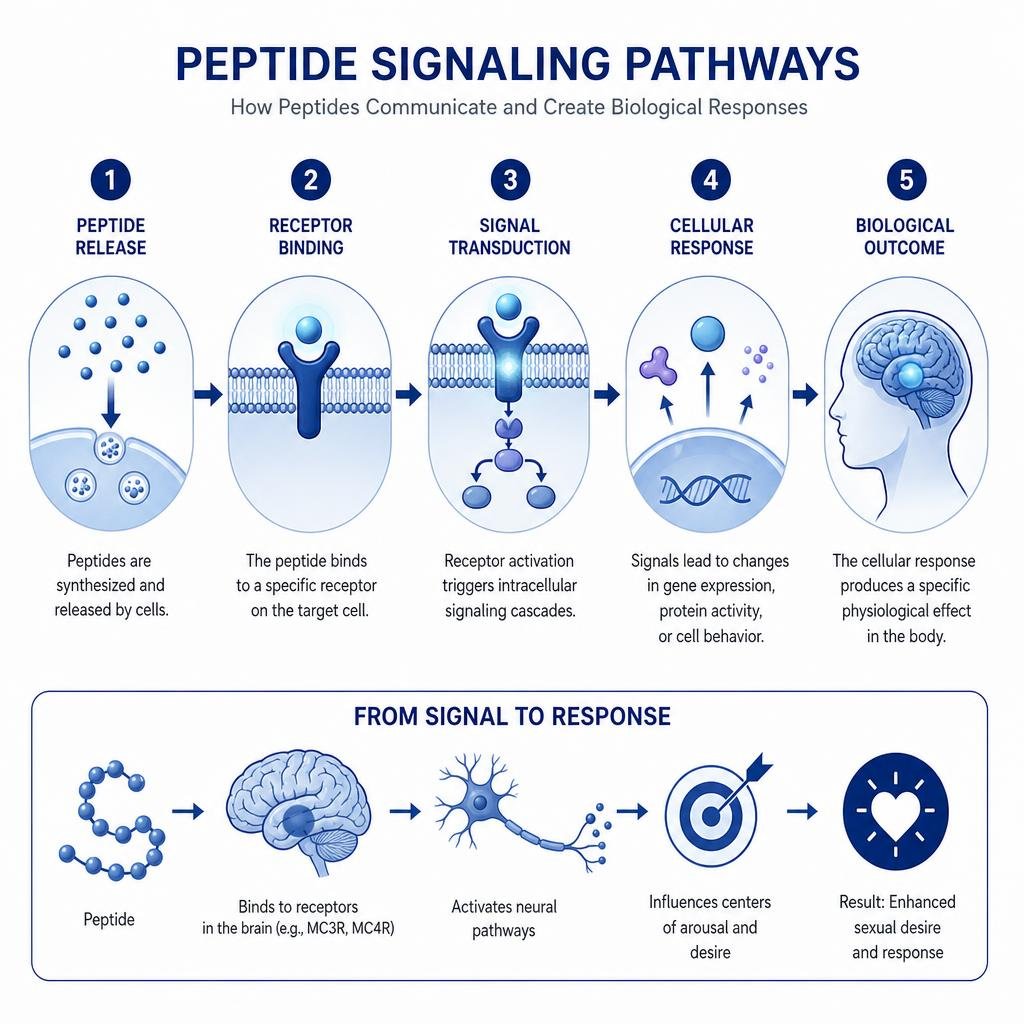
At its core, PT-141, scientifically known as bremelanotide, operates by interacting with a fascinating system within our bodies: the melanocortin system. This intricate network of receptors and peptides plays a crucial role in regulating various physiological functions, including energy homeostasis, inflammation, and notably, sexual function. Unlike traditional treatments for sexual dysfunction that primarily target vascular systems, PT-141 works centrally, directly influencing brain chemistry.
The melanocortin system consists of five receptor subtypes (MC1R-MC5R), but PT-141 specifically targets the melanocortin 4 receptor (MC4R) and, to a lesser extent, the melanocortin 3 receptor (MC3R) in the central nervous system (CNS). These receptors are found in areas of the brain associated with sexual arousal and desire. By activating these specific receptors, PT-141 initiates a cascade of neurological events that can lead to an increase in sexual desire and response. This mechanism represents a significant advancement in the development of synthetic analogs for therapeutic use, moving beyond peripheral effects to address the complex central pathways involved in libido.
Breakthroughs in Melanocortin-Targeted Peptide Science
The development of PT-141 as a therapeutic agent for sexual dysfunction is a testament to the breakthroughs in understanding receptor selectivity within the melanocortin system. Early research into melanocortin peptides revealed their broad influence, but the challenge lay in developing compounds that could selectively target specific receptors without triggering unwanted side effects from others. PT-141 achieves this by primarily acting as an agonist at the MC4R, which is highly expressed in neural pathways critical for sexual function.
This selective activation allows PT-141 to modulate brain activity in a way that promotes sexual desire. The therapeutic potential of such targeted peptide science is immense, offering a novel approach to conditions like hypoactive sexual desire disorder (HSDD). By focusing on the central mechanisms, these peptides can address the psychological and neurological components of sexual desire, which are often overlooked by treatments that only address physical symptoms. The precise interaction with MC3R and MC4R pathways underscores the sophistication of modern peptide design.
Mechanisms of Action in Central Pathways
The true innovation of PT-141 lies in its unique mechanism of action within the central nervous system. When administered, PT-141 crosses the blood-brain barrier and binds to the MC4R in specific brain regions. This binding triggers the release of neurotransmitters, particularly within the dopamine pathways, which are known to play a critical role in reward, motivation, and sexual arousal. The central activation of these pathways is what differentiates PT-141 from other libido-enhancing treatments.
By enhancing dopaminergic activity in key areas, PT-141 is believed to increase the signaling that contributes to sexual desire and interest. This central influence results in a more holistic physiological response to sexual stimuli, rather than merely enhancing physical readiness. The effect is not immediate or spontaneous; rather, it primes the brain for sexual activity, making individuals more receptive to sexual cues. This understanding of how PT-141 works on brain pathways connected to sexual desire by activating melanocortin receptors is fundamental to appreciating its therapeutic potential.
Clinical Insights and Applications: PT-141 and Bremelanotide
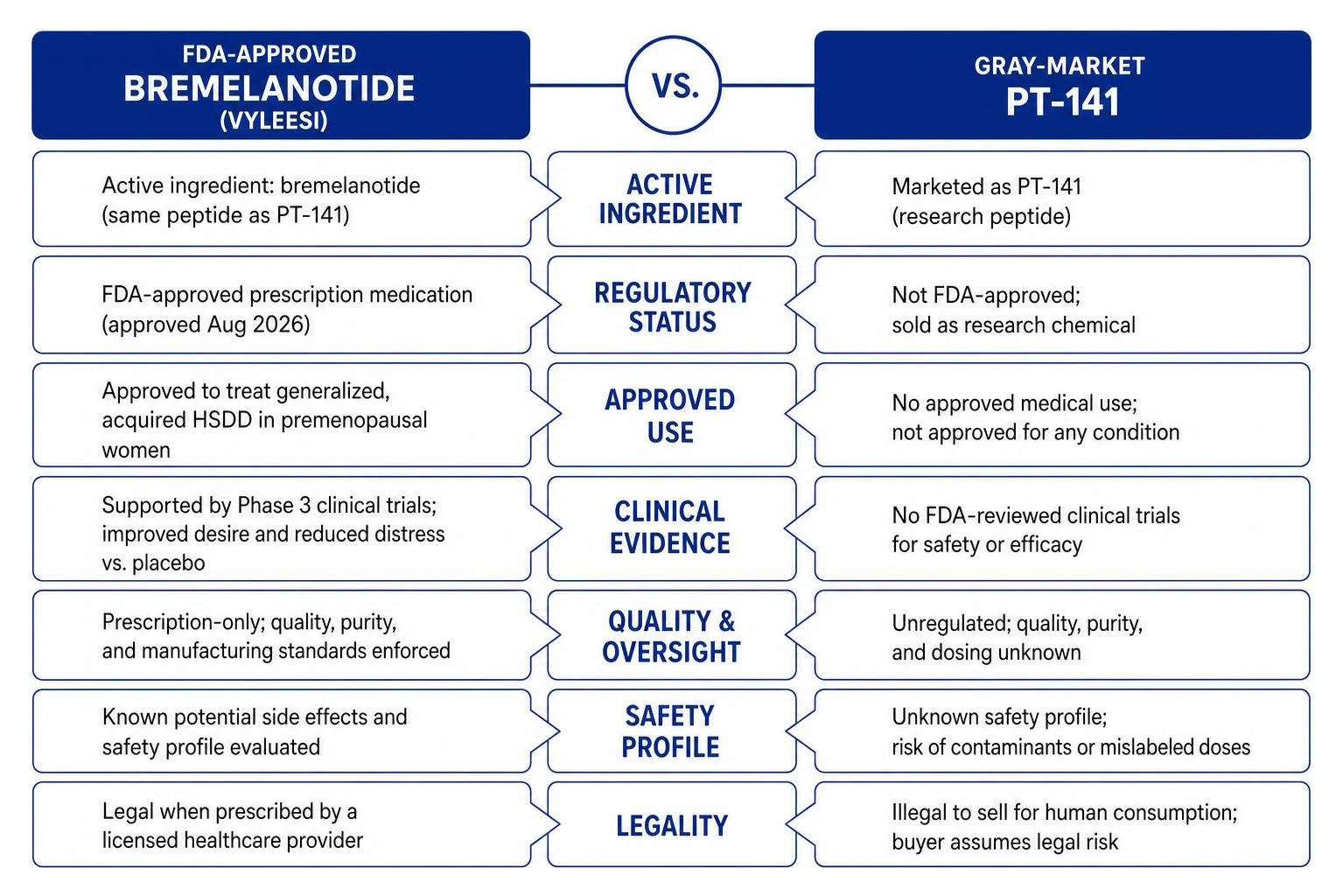
When discussing PT-141, it's crucial to distinguish between the research peptide often found online and its FDA-approved counterpart, bremelanotide, marketed under the brand name Vyleesi. Bremelanotide is specifically approved to treat generalized, acquired hypoactive sexual desire disorder (HSDD) in premenopausal women. This distinction is paramount for understanding its legal status, efficacy, and safety profile.
Vyleesi represents the culmination of extensive clinical research into PT-141's potential. It offers a targeted solution for women who experience persistent or recurrent low sexual desire that causes marked distress or interpersonal difficulty, and is not due to a medical or psychiatric condition, problems with the relationship, or the effects of a medication or other drug substance. The approval of Vyleesi in August 2026 (as per our current date) marked a significant milestone in addressing a condition that affects many women, providing a prescription-only option for those who qualify.
Bremelanotide Efficacy and Clinical Trial Data
The efficacy of bremelanotide (Vyleesi) for HSDD is supported by robust clinical trial data, particularly from Phase 3 studies. These trials demonstrated that bremelanotide could significantly improve sexual desire and reduce distress associated with low libido in premenopausal women. Participants reported meaningful improvements in their desire scores and overall sexual function compared to placebo.
However, it's important to note the nuances of these findings. Clinical trials revealed a notable placebo effect, where control group participants also reported meaningful desire improvement. This highlights the complex psychological component of sexual desire. Despite this, bremelanotide consistently showed a statistically significant improvement over placebo in key endpoints. For instance, studies indicated that a percentage of women treated with bremelanotide experienced an increase of at least 1.2 in their Female Sexual Function Index (FSFI) desire domain score and a decrease of at least 1 in their Female Sexual Distress Scale-Desire/Arousal/Orgasm (FSDS-DAO) score, indicating both improved desire and reduced distress. These results underscore its role as a valuable option for appropriate candidates.
Recommended Administration and Dosage Parameters
The recommended dosage and administration method for FDA-approved bremelanotide (Vyleesi) is highly specific to ensure both efficacy and safety. It is administered as a subcutaneous injection into the thigh or abdomen. The timing is crucial: it should be injected at least 45 minutes before anticipated sexual activity. This allows sufficient time for the peptide to take effect within the central nervous system.
Adherence to strict frequency limits is also essential. Patients are advised not to use more than one dose within a 24-hour period, and no more than eight doses per month. Exceeding these limits can increase the risk of adverse effects. Furthermore, it's important to be aware that bremelanotide can cause slowed gastric emptying, which may interfere with the absorption of co-administered oral medications. Patients should discuss all their current medications with their healthcare provider before starting treatment.
Here are the key administration and dosing guidelines for Vyleesi:
- Subcutaneous Injection: Administer into the thigh or abdomen.
- Timing: Inject at least 45 minutes before anticipated sexual activity.
- Frequency Limit: Do not use more than one dose in a 24-hour period.
- Monthly Limit: Do not exceed eight doses per month.
- Gastric Emptying: Be aware of potential slowing of gastric emptying, which may impact other oral medications.
Navigating Quality, Safety, and the Gray Market
The growing interest in PT-141 has unfortunately led to a proliferation of online sellers operating in what is often referred to as the gray market. This unregulated space presents significant challenges regarding quality control, patient safety, and legal compliance. While FDA-approved bremelanotide (Vyleesi) is a prescription medication obtained through licensed pharmacies, the PT-141 peptide compound sold by gray-market sellers online is not regulated by the FDA. This fundamental difference creates a chasm in terms of product reliability and safety.
When considering how to buy PT-141 online, it's imperative to understand that these unregulated sources cannot guarantee the purity, potency, or even the identity of the substance they are selling. This lack of regulatory oversight means consumers are exposed to unknown risks, including contamination, incorrect dosing, and potentially dangerous impurities. The legal implications of purchasing PT-141 without a prescription are also a serious concern, as these products are not intended for human use and are often sold for "research purposes only" to circumvent regulations. Our strong recommendation is to always prioritize safety and legality by consulting a healthcare professional.
Quality Standards and Verification in Peptide Science
For any peptide intended for human use, rigorous quality standards and verification are non-negotiable. Legitimate pharmaceutical products, like Vyleesi, undergo extensive analytical testing, including High-Performance Liquid Chromatography (HPLC) to confirm purity, mass spectrometry to verify molecular structure, and sterility testing to ensure safety. These processes are part of comprehensive laboratory verification and batch consistency protocols, ensuring that every dose meets strict specifications.
In contrast, products from unregulated online sources rarely provide verifiable proof of such testing. While some sellers may claim "99% purity," these claims are often unsubstantiated and not backed by independent, third-party laboratory analysis. For those interested in the broader field of peptide science and research and the critical importance of quality control, understanding these analytical techniques is key to appreciating the difference between pharmaceutical-grade compounds and gray-market offerings. Without proper testing, consumers have no way of knowing what they are truly receiving, or if it contains harmful contaminants or incorrect dosages.

Evaluating Unregulated Vendors and Gray-Market Risks
The risks associated with buying unregulated PT-141 from online sellers are substantial and multifaceted. The primary concerns include:
- Contamination Risks: Products may contain heavy metals, bacteria, or other harmful substances due to poor manufacturing practices.
- Improper Dosing: The actual amount of PT-141 in a vial or spray may differ significantly from what is advertised, leading to ineffective treatment or overdose.
- Unapproved Peptides: The product might not even be PT-141 at all, but rather a different, potentially dangerous, or ineffective compound.
- Severe Side Effects: Without proper formulation and quality control, the risk of unexpected and severe side effects increases. These can range from common issues like nausea, flushing, and headaches to more serious concerns like blood pressure fluctuations.
- Hyperpigmentation: A known side effect of bremelanotide (PT-141) is skin darkening, particularly in the face, gums, or breasts, which occurred in about 1% of users on maximum doses in clinical trials. This risk could be exacerbated with unregulated, inconsistently dosed products.
- Legal Implications: Purchasing and using substances not approved for human consumption and without a prescription can carry legal risks, as these products are often sold under the guise of "research chemicals."
It is paramount to recognize that while the allure of readily available online products may be strong, the absence of regulatory oversight means that consumers are entirely at their own risk. Identifying a reputable source for PT-141 means seeking a prescription for FDA-approved Vyleesi from a licensed healthcare provider, who can ensure the product's authenticity and suitability for your specific health needs.
Frequently Asked Questions
Navigating the landscape of PT-141 and its related compounds often brings forth a series of common inquiries. We aim to provide clear, clinical clarification to help you make informed decisions.
What is the primary difference between FDA-approved bremelanotide and online PT-141?
The primary and most critical difference lies in their regulatory status, quality, and intended use. FDA-approved bremelanotide is a prescription medication, marketed as Vyleesi, specifically approved for the treatment of acquired, generalized HSDD in premenopausal women. It undergoes rigorous testing for purity, potency, and safety, ensuring consistent quality and predictable effects. It requires a doctor's prescription and is dispensed through licensed pharmacies.
In contrast, online PT-141 typically refers to unregulated synthetic peptide products sold by gray-market vendors. These products are not FDA-approved for human use, lack consistent quality control, and may vary significantly in purity and concentration. They are often labeled "for research purposes only" to bypass strict pharmaceutical regulations. While bremelanotide and PT-141 are chemically the same compound, the source, manufacturing process, and regulatory oversight are vastly different, making the online versions inherently risky and potentially illegal for personal use without a prescription.
What are the main side effects associated with melanocortin peptide use?
Like any medication, bremelanotide (PT-141) can cause side effects. Based on clinical trials, the most commonly reported side effects include:
- Nausea: This is the most frequent side effect, experienced by approximately 40% of clinical trial participants.
- Flushing: About 20% of participants reported episodes of flushing.
- Headaches: Headaches were reported by roughly 12% of participants.
- Injection Site Reactions: Pain, redness, or bruising at the injection site can occur.
- Blood Pressure and Heart Rate Impacts: Transient increases in blood pressure and decreases in heart rate have been observed shortly after administration. Patients with uncontrolled high blood pressure or known cardiovascular disease should avoid its use.
- Skin Darkening (Hyperpigmentation): In about 1% of users on maximum doses, particularly those with darker skin tones, skin darkening in areas like the face, gums, or breasts has been reported. This effect may be irreversible in some cases.
- Slowed Gastric Emptying: As mentioned earlier, this can affect the absorption of other oral medications.
It's important to discuss your full medical history with a healthcare provider to assess your individual risk profile before considering any melanocortin peptide treatment.
How do melanocortin peptides compare to alternative treatments for sexual dysfunction?
Melanocortin peptides like bremelanotide offer a unique, centrally acting mechanism compared to many other treatments for sexual dysfunction, particularly low libido.
- Hormonal Therapies: These often include vaginal estrogen for addressing painful intercourse due to vaginal atrophy (common in postmenopausal women), or systemic Hormone Replacement Therapy (HRT) for broader menopausal symptoms, including low libido. Testosterone therapy is also sometimes considered for women with low libido, although its use is off-label in many regions. These therapies address hormonal imbalances, which PT-141 does not.
- PDE5 Inhibitors (e.g., Sildenafil, Tadalafil): Commonly used for erectile dysfunction in men, these drugs primarily enhance blood flow to the genitals and do not directly address central desire pathways. They are generally not effective for female low libido.
- Non-Pharmacological Approaches: These are crucial and often include sex therapy, couples counseling, addressing underlying psychological factors (stress, depression), improving sleep, and pelvic floor therapy for pain or discomfort. These methods tackle the multifaceted nature of sexual desire.
PT-141 is not a universal solution for low desire, especially when sexual distress stems from relationship issues, physical pain, or psychological factors. It is specifically indicated for acquired, generalized HSDD in premenopausal women where other causes have been ruled out. For many individuals, especially postmenopausal women, safer and more effective approaches might involve addressing underlying drivers like painful sex with localized treatments such as vaginal estrogen, or considering HRT if appropriate. A comprehensive evaluation by a clinician specializing in sexual health is essential to determine the most suitable treatment path.
Who should not use PT-141?
PT-141 (Vyleesi) is contraindicated in individuals with uncontrolled hypertension or known cardiovascular disease. It should also be used with caution in patients with a history of cardiovascular risk factors. It is not approved for use in men or postmenopausal women, nor is it indicated for HSDD caused by medical conditions, psychiatric disorders, or medication side effects. Pregnant or breastfeeding women should also avoid its use.
Can PT-141 be used for conditions other than low sexual desire?
While PT-141's primary approved use is for HSDD, the melanocortin system influences various physiological processes. Research into other potential applications of melanocortin receptor agonists is ongoing, including areas such as obesity, inflammation, and pain. However, it is crucial to reiterate that PT-141 (bremelanotide) is only FDA-approved for HSDD in premenopausal women, and any other use would be considered off-label and without regulatory backing.
What is the cost of PT-141 and is it covered by insurance?
The cost of FDA-approved Vyleesi (bremelanotide) can be substantial, and coverage by insurance plans varies widely. As a prescription medication, it may be covered by some health insurance policies, but patients often face co-pays or deductibles. It is essential to check with your specific insurance provider for details on coverage.
For unregulated PT-141 purchased online, costs can vary significantly depending on the vendor, product form (e.g., nasal spray, lyophilized powder), and dosage. However, these products are not covered by insurance, as they are not FDA-approved medications and are often sold as "research chemicals" not intended for human consumption. The lower upfront cost of unregulated products often comes with the hidden costs of unknown quality, potential health risks, and lack of efficacy.
Conclusion
The journey into understanding PT-141, from its sophisticated peptide science to its clinical application as bremelanotide (Vyleesi), underscores a significant advancement in addressing female sexual dysfunction. We've explored how this innovative peptide centrally activates melanocortin receptors to enhance sexual desire, offering a unique mechanism of action compared to other treatments.
However, our exploration also highlights a critical distinction: the vast difference between FDA-approved Vyleesi, a rigorously tested and regulated prescription medication, and the unregulated PT-141 products often found in the online gray market. The risks associated with these unregulated sources—including unknown purity, inconsistent dosing, contamination, and potential legal implications—cannot be overstated.
For anyone considering treatment for low libido, the most responsible and safest path involves consulting a qualified healthcare professional. They can conduct a comprehensive evaluation, determine if HSDD is the appropriate diagnosis, and discuss whether FDA-approved bremelanotide or other safer, evidence-based alternatives are suitable for your individual needs. Prioritizing safety protocols and medical supervision ensures that you receive authentic, high-quality care, aligning with the highest standards of clinical research development and patient well-being.
Comments
