Categories more
- Adventures (62)
- Arts / Collectables (14)
- Automotive (77)
- Aviation (65)
- Bath, Body, & Health (123)
- Children (6)
- Cigars / Spirits (71)
- Cuisine (66)
- Design/Architecture (22)
- Electronics (63)
- Entertainment (36)
- Event Planning (115)
- Fashion (45)
- Finance (10)
- Gifts / Misc (6)
- Home Decor (118)
- Jewelry (41)
- Pets (3)
- Philanthropy (1)
- Real Estate (16)
- Services (44)
- Sports / Golf (14)
- Vacation / Travel (85)
- Watches / Pens (33)
- Wines / Vines (34)
- Yachting / Boating (67)


Interior Materials That Make Luxury Homes Feel More Refined

Published
05/17/2026Luxury interiors are often defined less by excessive decoration and more by the quality and consistency of the materials used throughout the home. While dramatic furniture and large statement pieces may attract attention initially, the surfaces, textures, and finishes people interact with every day usually shape how refined a space truly feels long-term. Material selection strongly influences atmosphere, comfort, lighting, and the overall sense of balance within high-end interiors.
Modern luxury design has also shifted toward quieter and more natural aesthetics compared to heavily ornate styles popular in previous decades. Many homeowners now prioritize warmth, texture, craftsmanship, and timeless finishes over trend-driven decoration. The most refined interiors usually feel cohesive and intentional without appearing overly styled or visually crowded.
Natural Wood Finishes Add Warmth Without Feeling Heavy
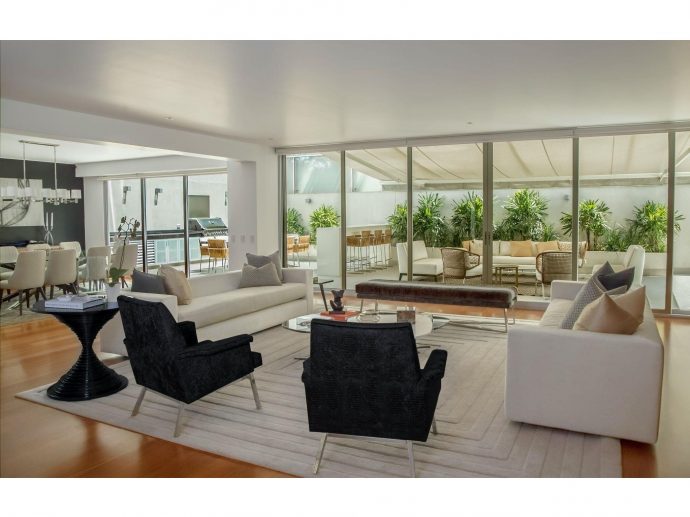
Wood remains one of the most important materials in luxury interiors because it brings warmth and texture into spaces that might otherwise feel too cold or minimal. Floors, wall features, ceilings, cabinetry, and shelving all benefit from natural wood tones when used thoughtfully within modern homes.
Products from Woodplank are often used in interiors where homeowners want surfaces that feel clean and refined while still adding warmth and natural texture to the overall design. Wood elements generally work best when they support the room subtly instead of overpowering the entire visual palette.
Texture Often Matters More Than Decoration
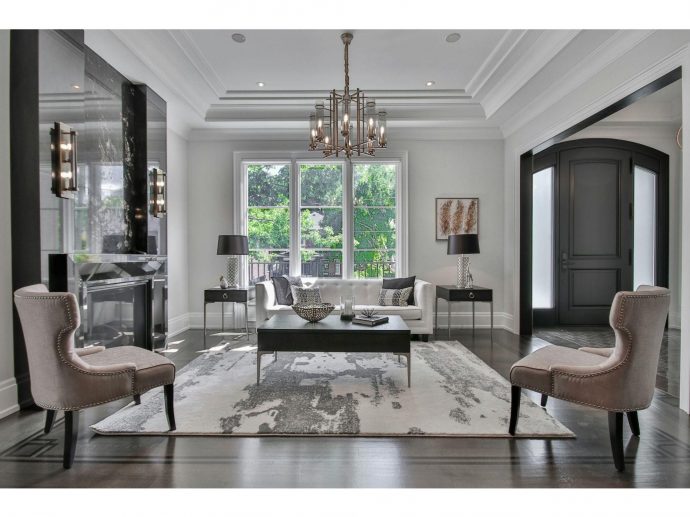
One common difference between luxury homes and overly designed interiors is how texture is handled. Refined spaces usually layer materials carefully so rooms feel visually interesting without relying on excessive décor or constant ornamentation. Stone, wood, linen, plaster, leather, and matte finishes often create a richer atmosphere than highly glossy or overly decorative surfaces.
Texture also affects how comfortable a room feels emotionally. Softer visual contrast and natural materials tend to create calmer spaces that feel easier to live in over time compared to interiors filled with hard reflective finishes or overly busy patterns.
Consistent Material Palettes Create Better Flow
Luxury homes usually feel more cohesive because materials repeat naturally throughout the property instead of changing dramatically from room to room. Flooring continuity, coordinated finishes, and balanced color palettes help spaces feel connected while making the home appear more intentional overall.
Abrupt material changes often make interiors feel visually fragmented, especially in open-concept layouts where multiple rooms remain visible simultaneously. Consistency generally creates a smoother visual rhythm that allows each room to feel distinct without disrupting the overall atmosphere of the home.
Matte Finishes Often Feel More Modern and Relaxed
Photo by Lotus Design N Print on Unsplash
Many contemporary luxury interiors now favor matte and low-sheen materials because they create a softer and more relaxed visual effect. High-gloss finishes sometimes feel overly formal or visually harsh, particularly in spaces designed around comfort and everyday living.
Matte wood, textured stone, brushed metal, and softer painted surfaces tend to diffuse light more naturally while reducing visual glare. These finishes often help rooms feel quieter and more balanced without sacrificing sophistication or elegance.
Lighting Changes How Materials Feel
The same material can look dramatically different depending on how lighting interacts with it throughout the day. Natural light usually enhances texture and warmth, while poor lighting may flatten surfaces or make even expensive materials appear less refined. This is one reason luxury interiors often prioritize layered lighting alongside material selection.
Warm indirect lighting generally complements natural textures more effectively than overly bright overhead fixtures. Many designers focus heavily on how materials respond to both daylight and nighttime lighting because the atmosphere shifts significantly depending on the environment created around the surfaces themselves.
Simpler Materials Often Age Better
One reason timeless luxury interiors remain appealing for decades is because they rely on durable and versatile materials instead of highly trend-driven finishes. Neutral stone, natural wood, textured fabrics, and restrained palettes generally adapt more easily as furniture and décor styles evolve over time.
According to Architectural Digest, timeless interiors often prioritize material quality and balance over excessive decoration. Homes designed around simpler and more natural finishes usually remain visually comfortable much longer than interiors built heavily around short-term design trends.
Refined Interiors Usually Feel Comfortable First
The most successful luxury homes rarely feel intimidating or overly formal. Instead, they often create refinement through comfort, balance, and thoughtful material choices that quietly improve the atmosphere of everyday life. Texture, warmth, lighting, and proportion all work together to make interiors feel calm and intentional.
Materials ultimately shape how people experience a home on a daily basis. The spaces that feel most refined are often the ones where every surface supports comfort and cohesion naturally without demanding constant attention or relying on excessive visual complexity.
Comments
