Categories more
- Adventures (80)
- Arts / Collectables (24)
- Automotive (83)
- Aviation (80)
- Bath, Body, & Health (152)
- Children (55)
- Cigars / Spirits (100)
- Cuisine (110)
- Design/Architecture (42)
- Electronics (78)
- Entertainment (49)
- Event Planning (125)
- Fashion (104)
- Finance (19)
- Gifts / Misc (26)
- Home Decor (141)
- Jewelry (85)
- Pets (13)
- Philanthropy (6)
- Real Estate (57)
- Services (63)
- Sports / Golf (44)
- Vacation / Travel (191)
- Watches / Pens (91)
- Wines / Vines (57)
- Yachting / Boating (95)


International Hair Transplant Safety, Costs, and Surgeons

Published
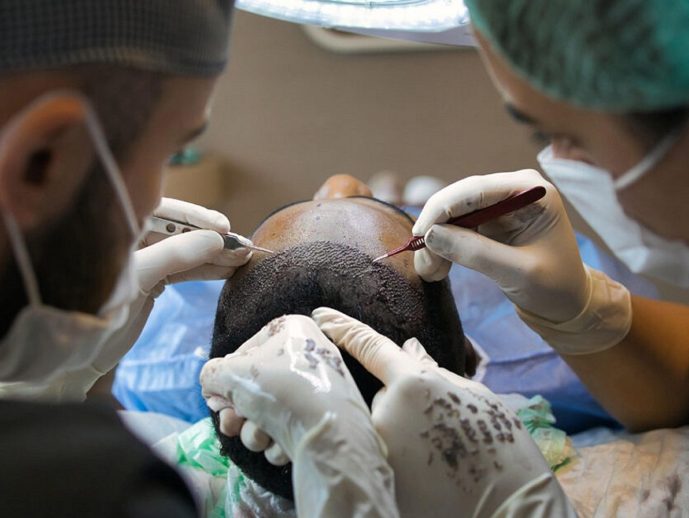
09/03/2026An international hair transplant is a hair restoration procedure performed outside a patient’s home country. People often travel to access certain surgeons, treatment methods, or lower costs. The safest option depends more on the doctor, clinic standards, and follow-up care than the destination itself.
Patients should compare medical credentials, surgeon involvement, donor planning, and documented results before booking treatment abroad.
Key Takeaways
- International hair transplant treatment can provide access to experienced surgeons, different techniques, and lower costs, but medical quality should come before destination or price.
- Patients should verify the surgeon’s license, direct surgical role, clinic standards, documented results, and follow-up process before booking treatment abroad.
- ISHRS and IAHRS can help patients research physicians and professional standards, but membership alone does not guarantee success.
- Long-term planning matters because hair loss may continue after surgery, making donor preservation, realistic hairline design, and future treatment needs important.
Why Patients Travel Abroad
Hair restoration is now a global medical field. Patients regularly travel between North America, Europe, Latin America, Asia, and other regions for treatment.
Some seek lower prices, while others want a surgeon with experience in a specific technique or type of hair loss.
Common reasons for traveling include:
- Access to experienced physicians
- Lower procedure costs in some countries
- Availability of FUE or FUT procedures
- Shorter waiting times
- Experience with specific hair types
- Access to surgeons known for repair cases
Cost matters, but it should not become the main reason for choosing a clinic. A lower price offers little value if the treatment damages the donor or causes poor growth. Patients should focus first on medical quality, safety, and long-term planning.
What the ISHRS Does
The International Society of Hair Restoration Surgery (ISHRS) is a global medical association. It focuses on physician education, ethical practice, research, patient safety, and better standards within hair restoration.
The group also provides educational resources for patients considering surgical and nonsurgical treatment.
Patients searching for terms such as international hair restoration society or international society of hair restoration are typically looking for this organization. Its official name is the International Society of Hair Restoration Surgery.
Its resources cover surgical procedures, medications, research, patient education, and professional training.
For doctors, ISHRS offers educational programs, scientific meetings, webinars, and hands-on training. For patients, it provides information about procedures, treatment options, and physician directories.
These tools can help patients better understand the field before choosing a doctor.
What Membership Actually Means
Professional membership can be useful when comparing doctors. It may show that a physician takes part in continuing education or belongs to a recognized medical community.
It does not mean every member has the same experience, skill, or treatment approach.
Patients should still check:
- Current medical licensing
- Type of professional membership
- Surgical training and experience
- Direct physician involvement
- Before-and-after cases
- Patient reviews and complaint history
A membership logo should never be your only reason for choosing a clinic. When possible, verify the physician through the organization’s official directory.
You should also review local licensing records and ask detailed questions about the surgical process.
ISHRS and IAHRS Compared
ISHRS and IAHRS are separate groups with different roles. ISHRS works mainly as a global medical association focused on education, research, ethics, and professional standards.
It also gives patients general information about hair restoration procedures and physician selection.
The International Alliance of Hair Restoration Surgeons takes a different approach. The group describes itself as a consumer-focused organization that screens and selects physicians.
Its criteria may consider surgical methods, case results, clinic practices, professional conduct, and patient feedback.
Neither organization should be treated as a guarantee of good results. Membership or recommendation can be useful information, but patients still need to research the individual doctor.
Credentials, surgical responsibility, results, and long-term planning remain more important than a logo.
Choosing a Qualified Surgeon
Choosing the right hair transplant surgeon often matters more than choosing the country. Hair restoration requires medical judgment, technical skill, and long-term planning.
The physician must consider age, donor density, hair type, current thinning, and likely future changes.
Before choosing a doctor, ask:
- Who designs the hairline?
- Who performs the donor extraction?
- Who creates the recipient sites?
- Which steps are delegated to staff?
- How many patients are treated each day?
- Who handles follow-up care?
- Can you review similar patient cases?
These questions help you understand the clinic’s medical model. Some clinics are strongly physician-led, while others depend heavily on technicians. Patients should know exactly who performs each stage before paying.
Comparing International Clinics
Hair transplant clinics can differ widely, even within the same city. One clinic may treat only a few patients each day under close physician supervision. Another may perform many procedures at once with larger teams.
Do not judge a clinic mainly by travel packages or hotel offers. Airport pickup, accommodation, and translation services can make the trip easier, but they say little about surgical quality..
Focus instead on medical standards and patient care. Review the surgeon’s role, facility standards, sterilization procedures, case volume, donor planning, and follow-up process.
You should also confirm that the clinic and physician can legally provide the treatment in that country.
Techniques Used Internationally
Most modern hair transplant surgery moves healthy follicular units from a donor area to areas with thinning or baldness. The two main surgical approaches are follicular unit extraction, or FUE, and follicular unit transplantation, or FUT.
Both can produce natural results when used appropriately.
FUE removes follicular units one at a time using small punch tools. FUT removes a narrow strip of scalp from the donor area before preparing individual grafts. Each method has different benefits, limits, and healing patterns.
The right choice depends on your donor supply, hairstyle, previous procedures, scarring concerns, and graft needs. One method is not automatically better for every patient. A good surgeon should explain why a specific approach fits your case.
Evaluating Treatment in Mexico
Mexico is one option for patients traveling from the United States and Canada. Costs can be lower, and travel may be easier than reaching more distant destinations.
Still, patients should apply the same medical standards they would use when choosing treatment at home.
People researching Hair Transplant Mexico options should compare doctors, not just package prices. Review the physician’s qualifications, documented results, surgical involvement, facility, and donor planning.
Clear communication before treatment also matters.
Patients should also ask about care after returning home. Find out how the clinic handles questions, medication needs, and possible complications. A good plan should explain who you contact and how follow-up appointments will work.
Safety Across Borders
Every surgical procedure carries some risk. Possible problems include infection, bleeding, scarring, numbness, temporary shedding, poor growth, or an unnatural appearance.
Donor damage can also occur if too many grafts are removed or extraction is poorly planned.
International treatment creates extra concerns because the doctor may be far away after surgery. Patients should receive clear written instructions before leaving the clinic.
These instructions should cover washing, medication, travel, swelling, and warning signs.
You should also understand the local rules that apply to medical care. Licensing standards and delegation rules can vary by country. Legal options for complaints or complications may also differ from those in your home country.
Cost Versus Medical Value
Price is one of the main reasons patients consider treatment abroad. Yet comparing only the cost per graft can give a false impression of value. Clinics may count grafts differently or include different services within the quoted price.
A better comparison should include:
- Total procedure cost
- Estimated number of grafts
- Physician involvement
- Medication and aftercare
- Flights and accommodation
- Follow-up appointments
- Possible return visits
- Policies for complications
A more expensive clinic is not always better. A cheaper clinic is not always unsafe either. The key is understanding what medical care you receive and whether the treatment plan protects your donor area.
Watch for High-Volume Models
Some international clinics treat many patients each day. High volume does not automatically mean poor care. It does mean patients should ask how much time the doctor spends on each case.
You should know who performs anesthesia, extraction, recipient-site creation, and graft placement. Terms such as “doctor supervised” can be unclear. Ask for a direct explanation of which parts the physician performs personally.
Patients should also ask how many procedures the doctor manages at once. A clinic that treats several patients at once may rely more heavily on technicians. That model can affect consistency, communication, and direct medical oversight.
Planning for Long-Term Results
Hair restoration should account for future changes, not only the first year after surgery. Transplanted hair may remain stable while nearby natural hair continues to thin. This can change the overall appearance over time.
A doctor should evaluate your likely pattern of future thinning. When appropriate, a doctor may also discuss medical treatment to slow further hair loss. Long-term planning becomes especially important for younger patients.
Hairline design also affects future options. A very low or dense hairline can use a large amount of donor hair early. Saving enough donor supply for later treatment may produce a more sustainable result.
Questions Before Traveling
International treatment requires more planning than a local procedure. Patients should get important details in writing before paying deposits or booking flights. Clear information helps prevent confusion once travel begins.
Useful questions include:
- Can the operating doctor change?
- What happens if the graft estimate changes?
- How long should I stay after surgery?
- Which medications are included?
- Are blood tests required?
- Is remote follow-up available?
- What happens if I need medical care later?
The answers should be clear before treatment begins. Vague communication before payment can become a larger problem after surgery. Written policies also make it easier to understand what the clinic has agreed to provide.
Making an Informed Decision
International treatment can be a reasonable option when patients focus on medical quality, safety, and long-term care. Professional groups can help patients learn about standards and identify physicians involved in the field. They should not replace careful research into the individual clinic and doctor.
Compare qualifications, physician involvement, documented cases, donor planning, clinic practices, and follow-up care before deciding. Also review local licensing rules and understand who performs each surgical step.
The strongest choice is the clinic that provides a clear medical plan, realistic expectations, and enough information to make an informed decision.
Comments
