Categories more
- Adventures (62)
- Arts / Collectables (14)
- Automotive (77)
- Aviation (65)
- Bath, Body, & Health (123)
- Children (6)
- Cigars / Spirits (71)
- Cuisine (66)
- Design/Architecture (22)
- Electronics (63)
- Entertainment (36)
- Event Planning (115)
- Fashion (45)
- Finance (10)
- Gifts / Misc (6)
- Home Decor (118)
- Jewelry (41)
- Pets (3)
- Philanthropy (1)
- Real Estate (16)
- Services (44)
- Sports / Golf (14)
- Vacation / Travel (85)
- Watches / Pens (33)
- Wines / Vines (34)
- Yachting / Boating (67)



Investing in Home Features That Pay You Back Daily

Published
02/23/2026There is a certain frustration in paying premium prices for a home that still feels slightly off. The air runs too often. Outside noise slips in. A room never seems to hold the right temperature. None of it is dramatic, but it nags at you. Over time, that quiet discomfort becomes part of the routine.
The upgrades that matter most are rarely the flashy ones. The features that truly pay you back are the ones you feel every single day, even if you cannot always explain why the house suddenly feels calmer, quieter, or easier to live in.
Windows That Work as Hard as You Do
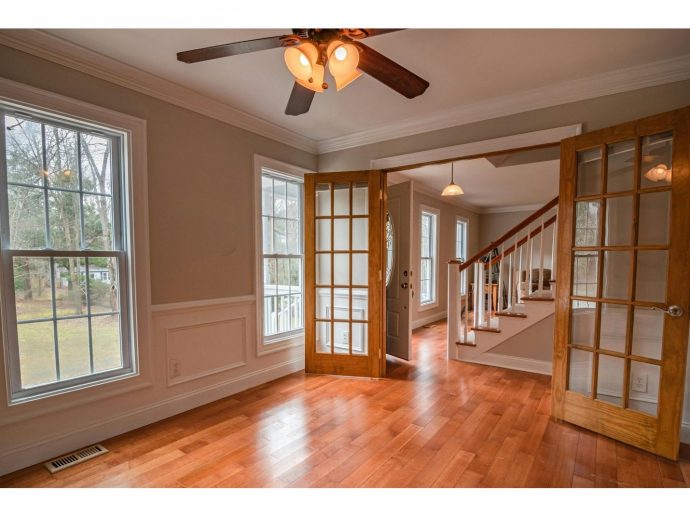
Older windows often look fine at a glance. Glass is clear. Frames are intact. But performance is another matter. Small seal failures allow air transfer. Heat pushes in during summer and escapes in winter. Sound travels more freely than it should. HVAC systems compensate, cycling longer and more often, which slowly increases wear and utility costs.
Modern window systems are engineered with multiple panes, insulated frames, and tight seals that reduce transfer of heat and noise. When installed properly, interior temperatures remain more stable throughout the day. Rooms feel balanced. Curtains stop shifting from light drafts. It is a subtle shift, but noticeable.
The key to ensuring indoor comfort is to work with researching qualified window replacement contractors who can guide about the right windows for your home and ensure correct installation. The goal is not cosmetic change alone. It is daily comfort, reduced strain on mechanical systems, and long-term savings that compound quietly over time.
Insulation and Air Sealing Behind the Walls
Most people rarely think about insulation once the drywall is up. Yet insulation plays a direct role in how often heating and cooling systems run, and how evenly temperatures are maintained from room to room.
When insulation settles or gaps exist around vents and wiring penetrations, conditioned air escapes into attic spaces or wall cavities. The system works harder to compensate. This increases energy use and shortens equipment lifespan.
Upgrading insulation or sealing air leaks does not provide the immediate visual satisfaction of new flooring or cabinetry. It is invisible once completed. Still, the payoff is steady. Lower monthly utility costs. Fewer hot or cold spots. Less strain on equipment that is expensive to replace. The investment returns itself in comfort first, then savings.
Kitchens Designed for Efficiency, Not Just Display
Kitchens often become the centerpiece of renovation plans, and for good reason. They are used constantly. However, many high-end remodels prioritize appearance over function. Open shelving looks impressive but collects dust. Oversized islands dominate space without improving workflow.
Features that pay back daily are usually practical. Deep drawers that hold cookware without stacking. Pull-out pantry systems that prevent food from being forgotten in the back. Under-cabinet lighting that reduces shadow during food preparation.
Appliances have also evolved. Modern refrigerators maintain consistent temperature with less energy. Induction cooktops heat quickly and cool rapidly once turned off, improving safety and efficiency. These details change how the space performs, not just how it photographs.
Lighting That Supports Real Life
Lighting influences mood, productivity, and even sleep patterns. Harsh overhead fixtures create glare and fatigue. Insufficient task lighting strains the eyes, especially in work-from-home setups that have become more common.
Layered lighting tends to perform best. Soft ambient light for general illumination. Focused task lighting for desks and kitchen counters. Accent lighting to highlight architectural details. When dimmers are installed, brightness can be adjusted to suit different times of day.
This flexibility pays back daily. Early mornings feel gentler. Evening routines become calmer. Productivity improves in home offices without requiring major construction.
Bathrooms That Reduce Maintenance
Bathrooms are high moisture environments. When ventilation is poor or materials are outdated, small problems escalate. Grout darkens. Caulk separates. Mold forms in corners where air does not circulate well.
Upgrading exhaust fans to properly sized models helps remove humidity quickly after showers. Choosing large format tiles reduces grout lines, which means fewer areas for buildup. Quality fixtures with ceramic disc valves resist dripping longer than older designs.
The daily benefit is not dramatic. It shows up in easier cleaning and fewer repairs. That, in itself, is valuable. Time saved on maintenance can be redirected elsewhere.
Smart Climate Control Systems
Technology has reshaped how homes operate. Smart thermostats learn usage patterns and adjust automatically. Zoning systems allow different areas of the house to be conditioned independently.
For households where members have varying schedules, this flexibility reduces wasted energy. Rooms that are not in use do not need to be fully heated or cooled. Adjustments can be made remotely through mobile devices.
The savings may seem incremental at first. Over months and years, they accumulate. More importantly, comfort becomes predictable. The house responds to daily habits rather than forcing routines to adapt to mechanical limitations.
Outdoor Spaces That Extend Living Area
Outdoor living spaces are no longer seasonal luxuries. Covered patios, shaded pergolas, and well-designed decks expand usable square footage without major structural additions.
Durable materials that resist moisture and sun exposure reduce upkeep. Proper drainage prevents water pooling near foundations. Comfortable seating and thoughtful layout encourage regular use rather than occasional gatherings. The payoff is experiential. Meals are shared outside. Morning coffee feels different in open air. The house begins to function beyond its interior walls.
Storage That Simplifies Mornings
Clutter rarely stems from excess possessions alone. Often, it is a storage problem. When closets lack organization systems, items pile up. When entryways lack designated spaces, shoes and bags scatter.
Built-in storage solutions create structure. Adjustable shelving adapts as needs change. Concealed compartments reduce visual noise. Even modest upgrades can streamline routines. Mornings become smoother when keys have a consistent place. Evenings wind down faster when surfaces are clear. The return on investment appears in time saved and stress reduced.
Investing in home features that pay you back daily requires a shift in thinking. Instead of chasing dramatic before and after moments, attention is directed toward performance, efficiency, and comfort. Windows that seal tightly. Insulation that holds temperature steady. Kitchens that support movement. Lighting that respects natural rhythms. These features may not draw immediate admiration from guests, yet they improve life in ways that are difficult to measure but easy to feel.
Homes function best when their systems work quietly in the background. When discomfort is reduced and efficiency improves, the investment continues to return value every single day.
Comments
