Categories more
- Adventures (177)
- Arts / Collectables (170)
- Automotive (173)
- Aviation (230)
- Bath, Body, & Health (386)
- Children (81)
- Cigars / Spirits (193)
- Cuisine (520)
- Design/Architecture (276)
- Electronics (166)
- Entertainment (125)
- Event Planning (251)
- Fashion (377)
- Finance (96)
- Gifts / Misc (102)
- Home Decor (404)
- Jewelry (259)
- Pets (54)
- Philanthropy (45)
- Real Estate (246)
- Services (160)
- Sports / Golf (154)
- Vacation / Travel (865)
- Watches / Pens (165)
- Wines / Vines (625)
- Yachting / Boating (223)



Key Considerations When Planning a Custom Garage Build

Published
09/23/2025Define the Purpose of Your Garage
Embarking on a custom garage build starts with clearly understanding your needs. Will your garage serve as a parking space for vehicles, or do you envision a multi-use area encompassing a workshop, gym, or robust storage? Some homeowners even plan their garage as an extension of their living space or a dedicated hobby room. Pinpointing your primary and secondary uses will guide decisions every step of the way, from layout to lighting to finish details. At this stage, consulting an expert garage builder in Chester County, PA, can help you avoid costly mistakes and ensure that every necessity is built into your project from the ground up.
Defining your end goals builds a foundation for practical solutions and thoughtful design. Think about your daily routine and storage needs. If workbenches, fitness gear, or seasonal décor are on your list, those requirements should be front and center during the planning stages. This level of clarity helps maximize both functionality and value.
Assess Size and Layout Requirements
After zeroing in on your garage’s purpose, the next step is determining the right size and layout. Standard garage sizes meet most homeowners' needs, but custom builds allow for tailored dimensions. For example, a single-car garage is around 12’ x 20’, while two-car versions usually measure about 20’ x 24’. If you need space for three vehicles, a minimum of 30’ x 24’ is advisable. Don’t forget clearances for wide vehicle doors, safe walking routes, and access to any tools, benches, or storage zones you’ve earmarked. Plan for dedicated square footage up front if you anticipate adding specialty zones—a potting bench, bike storage, or utility sink.
Clever layout design also enhances day-to-day convenience. Consider arranging the bays or workshop areas to suit your parking preferences, workflow, or family needs. Planning software or a professional design service can help you visualize and refine the layout before breaking ground.
Choose Durable Flooring Options
Your garage flooring endures frequent vehicle traffic, spills, and sometimes heavy equipment. Material choices make a difference in longevity and maintenance. Many opt for concrete sealed with tough epoxy—stain-resistant and a cinch to clean. If you prefer more comfort underfoot, rubber or vinyl flooring can provide the cushioning needed in home gyms or workshops. Customizable interlocking garage tiles give you both form and function and are relatively easy to replace if damaged. Regardless of material, ensure proper grading or a drainage system to handle water, oil, and mud runoff, minimizing slippage and damage.
Implement Effective Storage Solutions
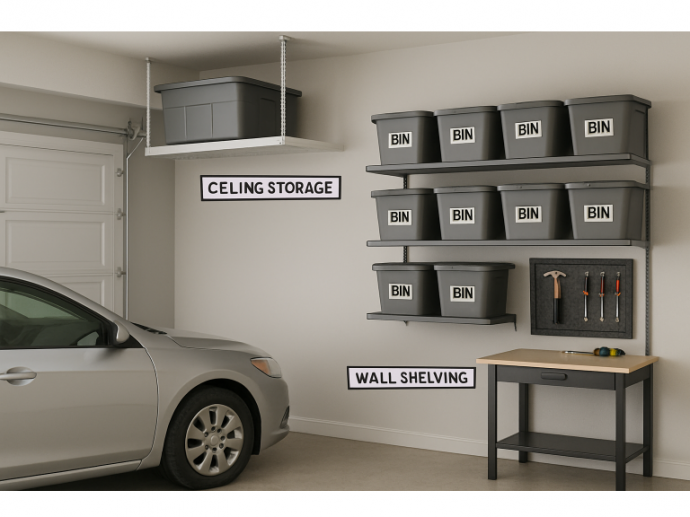
Organization is essential in transforming your garage from a catchall space into a highly functional room. Wall-mounted shelving systems keep everything from tools to cleaning supplies at eye-level and off the floor, preserving valuable square footage. Overhead racks hold seasonal items securely and reclaim unused ceiling space. Built-in cabinets can provide a tidy hideaway for more sensitive equipment or ongoing projects, while a dedicated workbench is a hub for crafts and repairs. Vertical storage solutions, such as pegboards or slatwall panels, further optimize every inch of available space while keeping items easily accessible and organized.
Ensure Proper Insulation and Ventilation
Maintaining comfort in your new garage extends far beyond a good floor plan. Proper insulation—especially in the walls and the garage door—helps stabilize indoor temperatures, making your garage more comfortable in winter and summer. Quality insulation also protects stored items from humidity and fluctuating outdoor conditions. Ventilation is equally important, particularly if the space doubles as a workshop or home gym. Exhaust fans or vented windows help reduce moisture buildup and improve air quality, reducing the risk of mold and extending the lifespan of tools and vehicles.
Plan for Adequate Lighting and Electrical Needs
Functional lighting makes all the difference in a workspace or multi-use garage. Plan for a combination of general illumination—such as overhead LED fixtures—and task lighting focused on specific areas, like workbenches or entryways. A sufficient number of electrical outlets, including specialized circuits for tools, heavy equipment, or an electric vehicle charger, ensures convenience and safety. Mapping out your current and future electrical needs before construction begins prevents costly alterations. Upgrading your electrical panel may be necessary to power energy-intensive devices or create a smart garage.
Incorporate Security Features
In today’s world, garage security should never be an afterthought. Smart garage door openers let you monitor and control access—sometimes even from an app on your phone. Motion-activated lighting is a simple yet effective deterrent against trespassers, while exterior cameras and alarm systems keep you informed and your valuables safe around the clock. Pairing multiple layers of security—such as cameras, lighting, and monitored alarms—greatly increases your overall protection and peace of mind.
Set a Realistic Budget and Timeline
Perhaps the most crucial step is establishing a well-researched budget and timeline. Break down costs by category—design, permits, materials, labor, and specialized features. Don’t overlook a contingency fund for unforeseen expenses or changes mid-project. Collaborating closely with your chosen contractor helps refine estimates and understand the timing of each build phase. Routine budget reviews and progress check-ins help keep everything on track, reducing surprises and stress.
With thorough planning and the right professional guidance, your custom garage project can enhance your daily life and your home’s long-term value and versatility.
Comments
