Categories more
- Adventures (62)
- Arts / Collectables (14)
- Automotive (77)
- Aviation (65)
- Bath, Body, & Health (123)
- Children (6)
- Cigars / Spirits (71)
- Cuisine (66)
- Design/Architecture (22)
- Electronics (63)
- Entertainment (36)
- Event Planning (115)
- Fashion (45)
- Finance (10)
- Gifts / Misc (6)
- Home Decor (118)
- Jewelry (41)
- Pets (3)
- Philanthropy (1)
- Real Estate (16)
- Services (44)
- Sports / Golf (14)
- Vacation / Travel (85)
- Watches / Pens (33)
- Wines / Vines (34)
- Yachting / Boating (67)


Key Principles of Commercial Gym Design That Maximise Member Satisfaction

Published
04/28/2026A well-planned commercial gym design can be the difference between a facility that retains members for years and one that struggles with high churn rates. The physical environment of a gym plays a powerful role in shaping how members feel during their workouts, how motivated they are to return, and how safely they can train. Good gym design goes far beyond aesthetics, encompassing layout, equipment placement, flow, lighting, ventilation, and safety compliance.
The Importance of a Strategic Floor Plan
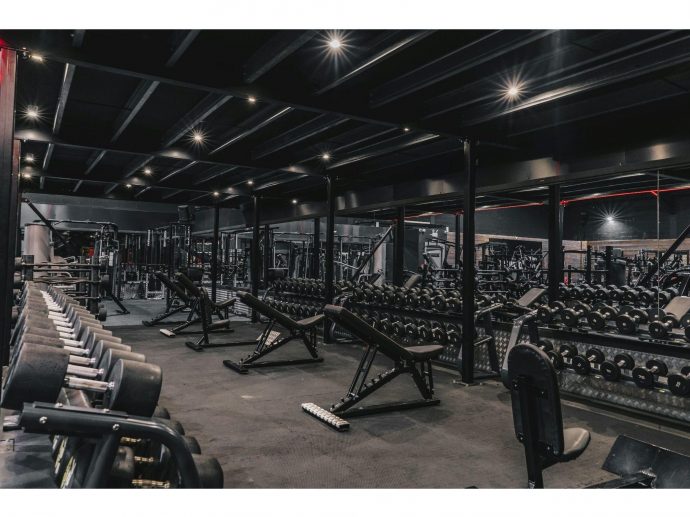
The floor plan of a commercial gym should be designed around how members actually move through the space rather than how much equipment can be crammed in. A well-designed layout creates natural zones for different types of training, avoids bottlenecks at peak times, and ensures that high-traffic areas like the entrance, locker rooms, and reception are easily accessible without disrupting the training floor. Investing time in creating a detailed floor plan before purchasing equipment can save significant time, money, and disruption later.
Zoning Your Gym Floor Effectively
Dividing the gym floor into clearly defined zones for cardio, free weights, resistance machines, and functional training helps members navigate the space intuitively and reduces conflicts between different types of users. Functional training zones, for example, require more open space and are often best positioned away from fixed equipment areas to prevent collisions. Clear visual cues such as flooring changes, signage, and equipment groupings all contribute to an effective zoning strategy.
Lighting and Ventilation
Lighting has a profound impact on how energised and motivated members feel during their workouts. Bright, warm lighting in high-energy areas like the weights floor and cardio zone can enhance performance and mood, while softer lighting in stretching or recovery areas encourages relaxation. Equally important is ventilation: a gym that becomes hot and stuffy during peak hours will drive members away, regardless of how good the equipment is. Commercial-grade HVAC systems that can maintain comfortable temperatures and adequate air circulation are a non-negotiable investment.
Equipment Selection and Placement
The equipment you choose and where you place it are both critical to a successful gym design. Machines should be positioned to allow adequate spacing for safe use and unobstructed movement paths between them. Free weight areas benefit from ample mirror coverage so users can monitor their form, while cardio equipment is often best positioned near windows or entertainment screens to help members pass the time more enjoyably. The goal is to create a training environment that is functional, comfortable, and motivating.
Safety and Compliance
Safety is both a legal and a moral obligation for any commercial gym operator. All equipment must be installed according to manufacturer guidelines, regularly inspected, and promptly repaired or removed from use if faults are identified. Flooring should be appropriate for the type of training taking place, with shock-absorbing surfaces in free weight areas to protect both users and the floor. Emergency exits must be clearly marked and unobstructed, and first aid provisions should be accessible throughout the facility.
Creating an Experience Members Return To
The most successful commercial gyms are those where members genuinely enjoy spending time. Small details can make a significant difference: clean, well-maintained equipment, pleasant ambient music at an appropriate volume, clean, well-stocked changing facilities, and staff who are present, approachable, and knowledgeable. A gym that consistently delivers a positive experience will generate word-of-mouth referrals and retain members far more effectively than one that competes on price alone.
Comments
