Categories more
- Adventures (114)
- Arts / Collectables (33)
- Automotive (92)
- Aviation (109)
- Bath, Body, & Health (186)
- Children (62)
- Cigars / Spirits (121)
- Cuisine (207)
- Design/Architecture (87)
- Electronics (93)
- Entertainment (55)
- Event Planning (136)
- Fashion (178)
- Finance (19)
- Gifts / Misc (49)
- Home Decor (188)
- Jewelry (136)
- Pets (33)
- Philanthropy (6)
- Real Estate (117)
- Services (70)
- Sports / Golf (57)
- Vacation / Travel (475)
- Watches / Pens (102)
- Wines / Vines (132)
- Yachting / Boating (130)



LED Light Therapy for Melasma: What the Research Says

Published
05/16/2025Melasma can be a frustrating skin condition to manage. Characterized by brown or gray-brown patches, often on the cheeks, forehead, nose, or upper lip, melasma tends to be stubborn and prone to returning, even after treatment. If you’ve tried creams, peels, or even lasers with mixed results, you might be wondering if there’s another way. One promising solution gaining attention is LED light therapy.
Let’s take a closer look at how this non-invasive treatment works, what the research says about its effectiveness for melasma, and how it could fit into your skincare routine.
What Causes Melasma?
Before diving into treatment, it helps to understand what causes melasma. This hyperpigmentation disorder is typically triggered by a combination of factors, including sun exposure, hormonal changes (such as pregnancy or birth control), and genetics.
Unlike post-inflammatory hyperpigmentation, melasma is more deeply rooted in the dermis and involves both pigment-producing cells (melanocytes) and blood vessels. That complexity is one reason why it’s difficult to treat and why it tends to come back.
How LED Light Therapy Works
LED (light-emitting diode) light therapy uses low-level wavelengths of light to gently stimulate the skin. Different colors penetrate at different depths, triggering various biological processes. Red and near-infrared light are most commonly used for anti-aging and skin rejuvenation, while blue light is often used to target acne-causing bacteria.
When it comes to melasma, researchers have been exploring how red and near-infrared wavelengths may reduce inflammation and help regulate melanin production. The goal is not to bleach the skin but to calm the processes that trigger excess pigmentation in the first place.
What the Research Says About Melasma and LED
Though LED light therapy is often associated with anti-aging benefits, studies on its role in treating pigmentation, especially melasma, are becoming more common.
Early research suggests that red and near-infrared light may help reduce pigmentation by lowering inflammation, improving microcirculation, and even influencing the behavior of melanocytes. Some studies also show promising results when LED therapy is combined with other topical treatments, such as tranexamic acid or vitamin C.
It’s important to note that LED light therapy alone is not an instant cure. But used consistently, it may become a valuable part of a multi-step melasma management plan. Unlike more aggressive options like lasers or chemical peels, LED is gentle enough for regular use and carries minimal risk of post-treatment irritation or worsening pigmentation.
Building a Routine That Supports Results
If you're thinking of adding LED light therapy to your routine, consistency is key. Most at-home LED devices recommend using the light for 10 to 20 minutes per session, several times a week. Over time, these sessions may help improve skin tone, texture, and overall brightness.
For those dealing with melasma, pairing LED therapy with daily sun protection is essential. Sunscreen should be worn every day, even indoors, since UV and visible light can worsen pigmentation. Adding antioxidants or calming serums to your routine can further support skin health and enhance the benefits of LED therapy.
And remember: while LED is gentle, it’s still powerful. Follow the usage instructions carefully to avoid overdoing it, and be patient with your results.
A Brighter Way to Treat Melasma
While melasma is notoriously tricky to treat, LED light therapy offers a gentle, science-backed approach worth exploring. Its ability to calm inflammation and support the skin’s natural healing process makes it a promising tool for those dealing with stubborn pigmentation.
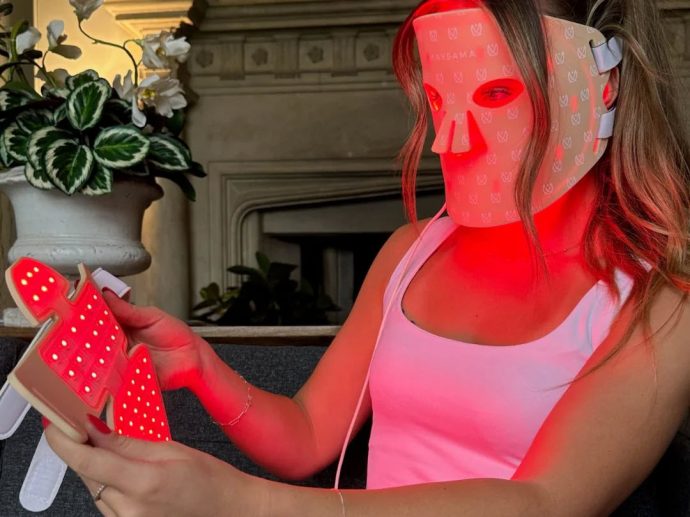
If you're ready to try LED therapy at home, a quality LED face mask by Maysama can help you get started with confidence. It’s a non-invasive, relaxing way to support your skin, without the downtime or harsh side effects of more aggressive treatments.
Sometimes, a brighter complexion really does start with a little light.
Comments
