Categories more
- Adventures (17)
- Arts / Collectables (14)
- Automotive (36)
- Aviation (11)
- Bath, Body, & Health (76)
- Children (6)
- Cigars / Spirits (32)
- Cuisine (16)
- Design/Architecture (22)
- Electronics (13)
- Entertainment (4)
- Event Planning (5)
- Fashion (45)
- Finance (10)
- Gifts / Misc (6)
- Home Decor (45)
- Jewelry (41)
- Pets (3)
- Philanthropy (1)
- Real Estate (16)
- Services (23)
- Sports / Golf (14)
- Vacation / Travel (59)
- Watches / Pens (14)
- Wines / Vines (24)
- Yachting / Boating (17)


Low Fade vs Mid Fade vs High Fade: What’s the Difference?

Published
03/11/2026Fades are among the most popular men’s haircuts today because they’re clean, versatile, and work with almost every hair type. Whether you prefer a subtle, professional look or a bold, edgy style, there’s a fade that fits your personality. The key difference between a low fade, mid fade, and high fade comes down to where the fade begins on the head and how dramatic the contrast appears.
Let’s break down each one so you can confidently choose the right fade for your face shape, lifestyle, and overall style.
What Is a Fade Haircut?
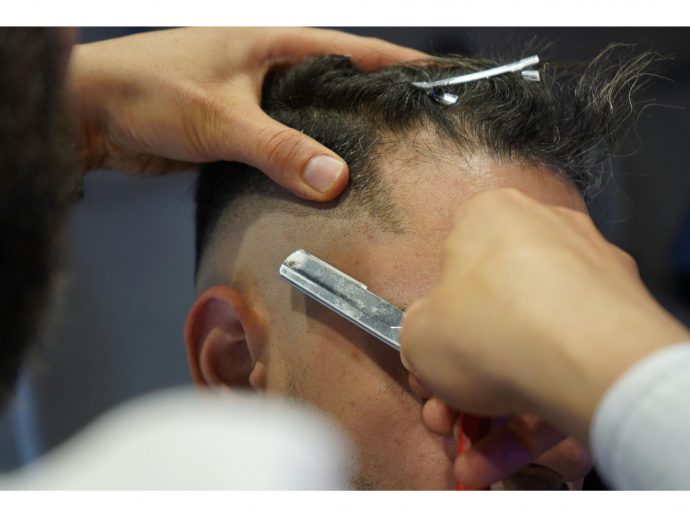
A fade haircut gradually transitions hair from longer lengths on top to shorter lengths on the sides and back. The hair blends down into very short hair, often finishing at the skin (skin fade) or near-skin length.
The three main types—low, mid, and high—are defined by how high up the sides the blending begins. While the technique is similar, the placement dramatically changes the final look.
Low Fade
A low fade starts just above the ears and neckline. The tapering effect stays close to the bottom portion of the head, making it the most subtle and conservative fade option.
Key Features:
- Fade begins low near the ear line
- Gradual and soft transition
- Keeps more weight on the sides
- Professional and understated appearance
Who It’s Best For:
A low fade is perfect if you want a clean haircut without too much exposure on the sides. It’s ideal for office environments, formal settings, or anyone who prefers a timeless look.
It works especially well for:
- Round and square face shapes
- Thick or wavy hair
- Classic styles like side parts, comb-overs, and textured crops
Style Impact:
Because the fade stays low, it doesn’t remove too much hair from the sides. This keeps the haircut balanced and less dramatic. It enhances your hairstyle rather than dominating it.
If you’re trying a fade for the first time, a low fade is often the safest and most versatile choice.
Mid Fade
A mid fade begins around the temple area, roughly halfway up the sides of the head. It creates a more noticeable contrast compared to a low fade but isn’t as bold as a high fade.
Key Features:
- Fade starts at the midpoint of the sides
- Balanced blend between subtle and sharp
- Cleaner, more defined shape
- Modern and versatile look
Who It’s Best For:
The mid fade suits most face shapes and hair types, making it one of the most requested fade styles today.
It works well with:
- Pompadours
- Quiffs
- Textured crops
- Curly tops
- Faux hawks
Style Impact:
A mid fade removes more bulk from the sides, giving the haircut a sharper, more structured appearance. It adds contrast and draws attention to the hair on top.
This fade is ideal if you want something noticeable but not overly aggressive. It strikes the perfect balance between professional and trendy.
High Fade
A high fade starts much higher on the head, typically near or above the temples. This creates strong contrast and leaves very little hair on the sides.
Key Features:
- Fade begins high up near the crown
- Dramatic and bold contrast
- Minimal hair left on sides
- Sharp, edgy appearance
Who It’s Best For:
The high fade is best for men who want a statement haircut. It works particularly well for athletic, bold, or fashion-forward styles.
It pairs great with:
- Buzz cuts
- Crew cuts
- High-volume pompadours
- Spiky styles
- Short textured tops
Style Impact:
Because so much hair is removed from the sides, the top appears fuller and more prominent. The haircut looks cleaner and sharper but requires more frequent maintenance.
If you like modern, high-contrast haircuts and don’t mind regular barbershop visits, the high fade delivers maximum impact.
Side-by-Side Comparison
Here’s a simple breakdown of how they differ:
Low Fade
- Subtle
- Conservative
- Professional-friendly
- Minimal contrast
Mid Fade
- Balanced
- Modern
- Noticeable definition
- Versatile styling options
High Fade
- Bold
- Dramatic
- Strong contrast
- High maintenance
The higher the fade starts, the stronger the contrast between the sides and the top.
Choosing the Right Fade for Your Face Shape
Your face shape plays a major role in selecting the best fade.
- Round Face: Mid or high fades help add height and structure, making the face appear longer.
- Square Face: Low or mid fades maintain balance and enhance natural angles.
- Oval Face: Almost any fade works well due to balanced proportions.
- Long Face: Low fades prevent the face from looking overly elongated.
Maintenance Differences
Maintenance is often overlooked when choosing a fade.
- Low Fade: Grows out more naturally. You can stretch appointments to 3–4 weeks.
- Mid Fade: Requires trimming every 2–3 weeks to maintain sharpness.
- High Fade: Needs frequent touch-ups, often every 1–2 weeks, to stay crisp.
The higher the fade, the quicker it loses its clean look as hair grows back.
Skin Fade vs Taper Fade
Within low, mid, and high fades, you’ll also hear terms like “skin fade” or “taper fade.”
- A skin fade blends down to the skin for maximum contrast.
- A taper fade is softer and doesn’t necessarily go all the way to skin.
You can request a low skin fade, mid skin fade, or high skin fade depending on how sharp you want the finish.
Lifestyle Considerations
Before choosing a fade, consider:
- Work environment: Conservative workplaces may prefer low fades.
- Styling time: High fades often require styling products to balance contrast.
- Hair growth rate: Faster growth means more maintenance.
- Personal style: Minimalist, trendy, athletic, or corporate—each fade supports a different vibe.
How to Ask Your Barber
Clear communication helps you get exactly what you want. Instead of just saying “fade,” be specific:
- “Low fade with a textured crop.”
- “Mid skin fade with a quiff.”
- “High fade with a short top.”
You can also specify how tight you want the sides and whether you prefer a dramatic or subtle blend.
Final Thoughts
Low, mid, and high fades may follow the same blending technique, but their placement makes all the difference.
- Choose a low fade for subtle refinement.
- Go with a mid fade for balance and modern appeal.
- Opt for a high fade if you want bold contrast and a sharp finish.
Ultimately, the best fade depends on your face shape, personal style, and how much maintenance you’re willing to commit to. A good barbershop Oakville can customize any fade to complement your features, so don’t hesitate to discuss your preferences.
No matter which fade you choose, one thing is certain—this timeless haircut isn’t going out of style anytime soon.
Comments
