Categories more
- Adventures (17)
- Arts / Collectables (14)
- Automotive (36)
- Aviation (11)
- Bath, Body, & Health (76)
- Children (6)
- Cigars / Spirits (32)
- Cuisine (16)
- Design/Architecture (22)
- Electronics (13)
- Entertainment (4)
- Event Planning (5)
- Fashion (45)
- Finance (10)
- Gifts / Misc (6)
- Home Decor (45)
- Jewelry (41)
- Pets (3)
- Philanthropy (1)
- Real Estate (16)
- Services (23)
- Sports / Golf (14)
- Vacation / Travel (59)
- Watches / Pens (14)
- Wines / Vines (24)
- Yachting / Boating (17)



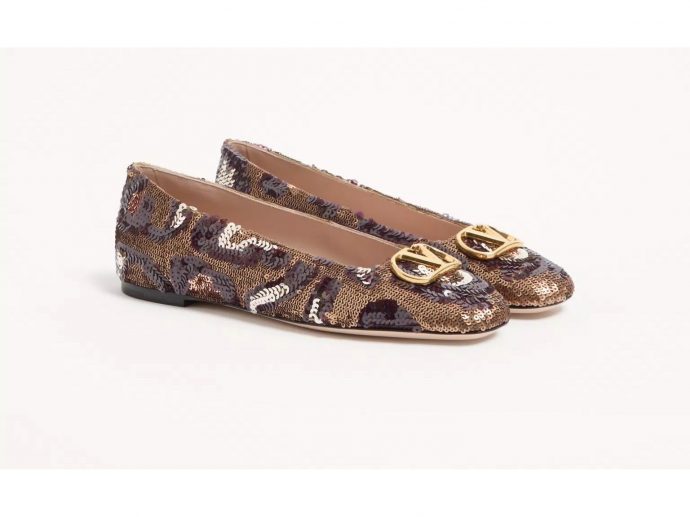
Luxury Ballerinas: Why Ballet Flats Are the Most Refined Shoes in a Modern Wardrobe

Published
07/28/2026For years, the idea of an elegant shoe was closely tied to height. The sharper the heel and the more dramatic the silhouette, the more formal the footwear appeared. That assumption no longer defines contemporary style. Today, some of the most polished wardrobes are built around shoes that are understated, comfortable and beautifully constructed.
Ballet flats have returned to the centre of luxury fashion, but their appeal is not based on nostalgia alone. Their clean shape works with the softer tailoring, relaxed proportions and quietly confident styling that now influence how many women dress. They offer ease without looking casual and femininity without feeling overly delicate.
A well-chosen pair can move naturally between appointments, travel, lunch, evening plans and formal occasions. That versatility has turned the ballet flat from a simple wardrobe basic into one of the most useful expressions of modern luxury.
The Appeal of an Understated Silhouette
A ballet flat does not dominate an outfit. Instead, it gives the rest of the look space to work. The low profile creates a clean visual line, while the simplicity of the shape allows fabric, tailoring and accessories to receive more attention.
This restraint is particularly relevant in a fashion landscape that has become less dependent on obvious status symbols. A refined wardrobe does not always need an attention-grabbing shoe. Sometimes the strongest choice is the one that completes the outfit without competing with it.
That does not mean ballet flats lack character. Small design decisions can completely change their personality. A pointed toe feels precise and architectural. A rounded toe has a softer, more traditional quality. Slim straps introduce detail, while metallic finishes, studs, embroidery or sculpted hardware can create a stronger evening presence.
The beauty of the silhouette lies in that balance. It is recognisable, but never limited to one interpretation.
Why Comfort Now Belongs in the Luxury Conversation
Comfort was once treated as something separate from high fashion. A beautiful shoe could be admired even when it was difficult to wear for more than a few hours. Modern customers are less willing to accept that compromise.
Luxury is increasingly judged by the complete experience of an item. A shoe should look sophisticated, but it should also feel considered when worn. The shape of the upper, the flexibility of the sole, the quality of the lining and the placement of seams all influence whether a pair becomes a genuine wardrobe favourite or remains inside its box.
This shift has strengthened the position of premium flats. Carefully made luxury ballerinas can offer the finish expected from designer footwear while fitting naturally into an active day. They allow the wearer to move through different settings without carrying a second pair of shoes or sacrificing the polish of the overall look.
True comfort is not simply the absence of a heel. It comes from proportion, construction and materials working together.
How Ballet Flats Fit into Contemporary Dressing
The renewed interest in ballet flats is closely connected to changes in the rest of the wardrobe. Tailoring has become more relaxed. Trousers are often fuller, skirts have returned in longer lengths and dresses increasingly favour fluid movement over rigid structure.
A slim flat creates useful contrast with these proportions. Wide-leg trousers paired with a delicate shoe feel lighter than the same trousers worn with heavy footwear. A straight skirt becomes less corporate, while a loose dress gains definition without losing its ease.
Ballet flats also work well with the growing preference for clothing that can serve several occasions. A pair worn with jeans and a crisp shirt in the morning can later accompany a silk skirt or tailored dress. The shoe changes character according to what surrounds it.
Some of the most reliable combinations include:
- Cropped tailored trousers with a pointed flat
- Straight-leg denim with a soft leather style
- A midi skirt with a slim strapped ballerina
- A relaxed suit with an embellished or metallic pair
- A simple evening dress with a sharply finished black flat
These outfits succeed because the shoe adds refinement without making the styling feel forced.
Materials Make the Difference
The apparent simplicity of a ballet flat leaves little room for poor execution. On a highly decorated shoe, construction flaws can sometimes disappear among other details. On a minimal flat, the quality of the leather, stitching and finishing remains visible.
Supple leather tends to create a softer, more adaptable shape, while patent leather gives the shoe greater definition and formality. Suede introduces depth and works particularly well with autumnal tailoring. Satin and velvet can make the silhouette appropriate for evening occasions, especially when paired with jewellery-like hardware.
The interior deserves the same attention as the exterior. A smooth lining, secure heel construction and a carefully shaped footbed can determine how the shoe performs after several hours of wear. Even the edge finish matters. Clean binding and precise stitching give a flat the composed appearance associated with fine footwear.
Hardware should feel integrated rather than added as an afterthought. Buckles, studs, logos and decorative elements are most successful when they support the shape of the shoe instead of overwhelming it.
This is where craftsmanship becomes visible. The design may look effortless, but achieving that effortlessness requires control.
Choosing a Pair That Will Last Beyond One Season
The strongest purchase is not necessarily the most neutral pair. It is the one that works with the wearer’s actual wardrobe and lifestyle.
Someone who frequently wears tailored trousers may benefit from a pointed toe that remains visible beneath the hem. A woman who prefers dresses and skirts may find that a rounded or almond-shaped style creates a more harmonious line. Frequent travellers may prioritise soft construction, while evening-focused buyers might look for embellishment or a richer surface.
Colour should also be considered in relation to existing clothes. Black remains dependable, but deep brown, oxblood, cream and muted metallics can be just as versatile. A strong red or jewel tone may function almost like an accessory, particularly in a wardrobe built around neutral clothing.
Before choosing a pair, it helps to consider several practical details:
- Whether the toe shape feels comfortable after prolonged wear
- How securely the heel sits while walking
- Whether the sole offers enough structure for regular use
- How the material is likely to age
- Which trousers, skirts and dresses already complement the colour
- Whether the design suits daytime, evening wear or both
A luxurious shoe should not require an entirely new wardrobe to justify its place. It should make existing clothes easier and more enjoyable to wear.
The New Meaning of Feminine Footwear
Ballet flats have often been described as romantic or delicate, but their current appeal is broader. They can appear disciplined, minimal, rebellious or highly decorative depending on the design and styling.
Worn with a sharply cut suit, they communicate confidence without relying on height. Paired with denim, they introduce polish. Combined with an evening dress, they offer an alternative to the predictable high heel. Their femininity feels adaptable rather than prescribed.
This flexibility reflects a more individual approach to dressing. Elegance no longer depends on following one accepted formula. A woman can choose a flat because she prefers its proportion, values movement or simply considers it the strongest visual choice.
That sense of personal control is central to contemporary luxury. The value of an item lies not only in how it looks, but in how naturally it fits the person wearing it.
A Quiet Essential with Lasting Relevance
Fashion often revisits familiar shapes, but only a few return with genuine permanence. The ballet flat has endured because it solves several wardrobe needs at once. It is compact, versatile, elegant and capable of changing character through material and detail.
Its renewed prominence does not suggest that heels have lost their place. Instead, it shows that polished footwear can take more than one form. A beautifully made flat can carry the same sense of occasion as a pump while offering greater freedom throughout the day.
For the modern wardrobe, that combination is difficult to overlook. Ballet flats make clothing feel finished without making the wearer feel restricted. They are discreet enough for everyday use, yet refined enough to accompany important moments.
The result is a shoe that does not depend on novelty. Its strength comes from proportion, craftsmanship and the quiet confidence of knowing that elegance does not need to announce itself.
Comments
