Categories more
- Adventures (62)
- Arts / Collectables (14)
- Automotive (77)
- Aviation (65)
- Bath, Body, & Health (123)
- Children (6)
- Cigars / Spirits (71)
- Cuisine (66)
- Design/Architecture (22)
- Electronics (63)
- Entertainment (36)
- Event Planning (115)
- Fashion (45)
- Finance (10)
- Gifts / Misc (6)
- Home Decor (118)
- Jewelry (41)
- Pets (3)
- Philanthropy (1)
- Real Estate (16)
- Services (44)
- Sports / Golf (14)
- Vacation / Travel (85)
- Watches / Pens (33)
- Wines / Vines (34)
- Yachting / Boating (67)



Luxury Homes Are Redefining Comfort Through Smarter Climate and Water Systems


Published
05/11/2026Luxury homes have traditionally been associated with striking architecture, imported materials, expansive layouts, and carefully curated interiors. While those elements still matter, the modern definition of luxury has become far more experiential. Homeowners are increasingly placing value on how a property feels to live in every day rather than simply how impressive it appears at first glance.
Comfort has become one of the most important markers of high-end living. Stable indoor temperatures, balanced humidity, quiet mechanical systems, clean air, and reliable water delivery now play a major role in shaping the overall residential experience. These details often remain invisible, yet they influence daily life more consistently than almost any decorative feature.
As expectations around residential comfort continue evolving, luxury properties are becoming more dependent on advanced infrastructure systems capable of delivering seamless performance without disrupting the aesthetics of the home itself.
Why Hidden Infrastructure Is Becoming a Luxury Feature
Behind many of today’s most sophisticated homes are increasingly complex systems designed to maintain comfort efficiently and consistently. Open-concept layouts, extensive glass installations, spa-inspired bathrooms, wellness spaces, home gyms, wine storage rooms, and integrated smart technologies all place additional demands on residential infrastructure.
In older luxury properties, traditional systems were often designed simply to provide basic heating, cooling, and plumbing functionality. Modern homeowners, however, expect far more precision. Rooms are expected to maintain consistent temperatures throughout the day, water pressure should remain stable across multiple fixtures, and climate systems are increasingly expected to operate almost silently in the background.
This growing emphasis on operational performance has elevated plumbing and HVAC infrastructure from a technical necessity to an essential part of luxury living itself. Increasingly, homeowners are evaluating properties not only by design quality but also by how intelligently the home functions beneath the surface
.
Southern California and the Demand for Smarter Residential Systems
Regional conditions have also influenced how luxury infrastructure is evolving. In Southern California, where climate conditions, sustainability concerns, and energy efficiency standards all shape residential design, homeowners are paying closer attention to long-term system performance than ever before.
Properties in the region often require infrastructure capable of adapting to seasonal heat, fluctuating environmental conditions, and growing expectations around energy-conscious living. At the same time, homeowners do not want efficiency improvements to compromise comfort or convenience.
This balance has increased interest in advanced plumbing & HVAC in Southern California, particularly among homeowners seeking integrated systems that support both modern luxury expectations and long-term operational reliability. Infrastructure planning is increasingly becoming part of the broader architectural conversation, especially in high-end homes where environmental consistency and efficiency are viewed as extensions of the luxury experience itself.
Rather than treating climate and plumbing systems as isolated mechanical components, many luxury homeowners are now approaching them as part of a fully connected living environment designed around comfort, wellness, and ease of use.
Wellness Is Influencing Residential Design
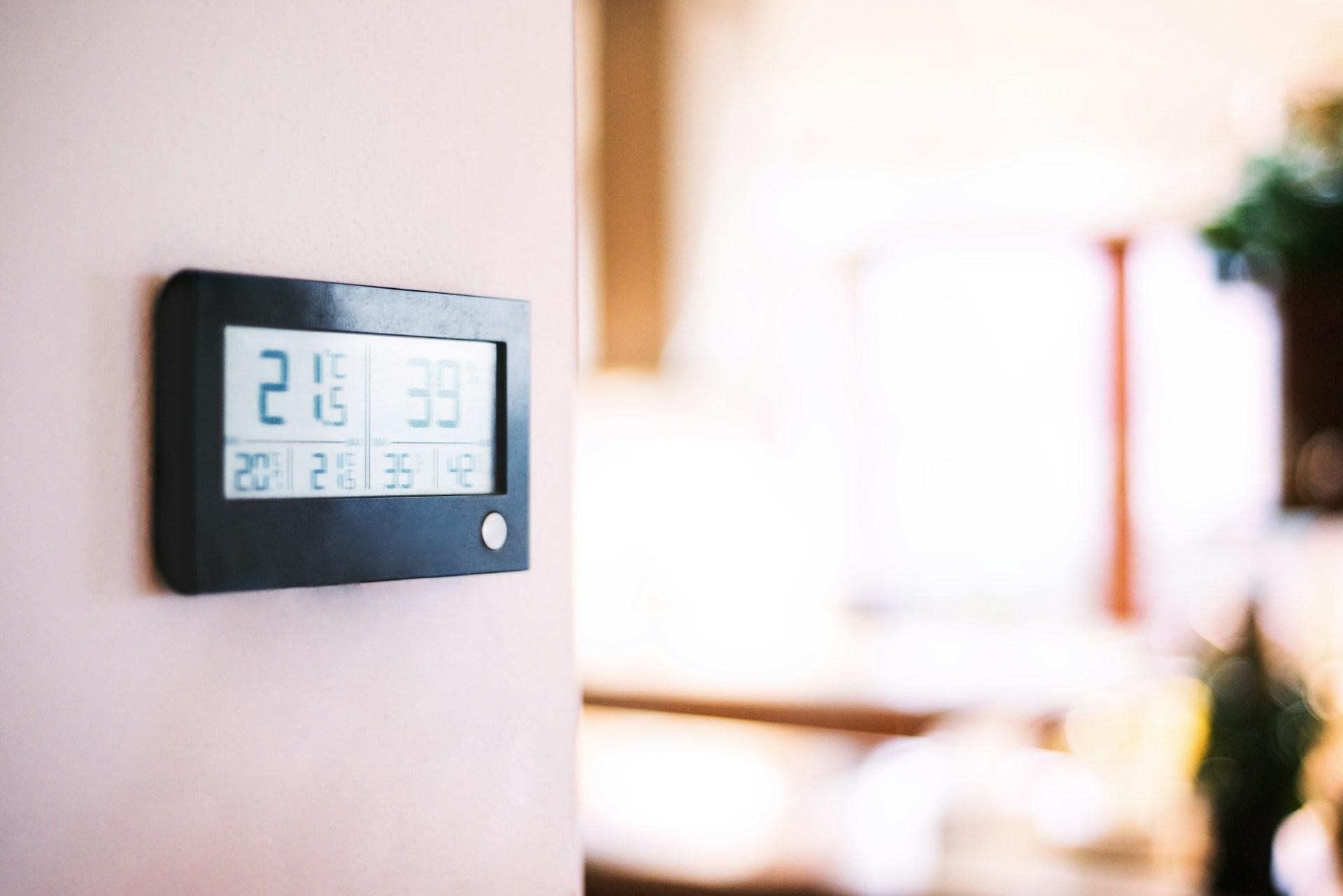
Another reason hidden infrastructure has become more important is the growing connection between wellness and home design. Luxury living today is closely tied to creating environments that support physical comfort, relaxation, and long-term wellbeing.
Indoor air quality, humidity control, water purity, and thermal consistency all influence how a home feels over time. Even subtle fluctuations in temperature or ventilation can affect sleep quality, concentration, and overall comfort.
This has encouraged many homeowners to invest in higher-performance systems capable of creating healthier indoor environments while remaining discreet and unobtrusive. Smart climate zoning, advanced filtration technologies, water monitoring systems, and leak detection tools are becoming increasingly common in upscale residential projects.
What makes these upgrades particularly appealing is that they improve daily life without altering the visual identity of the home. The luxury comes from the experience itself, a property that remains consistently comfortable, efficient, and reliable regardless of external conditions.
Residential Efficiency and Guidance From the Department of Energy
According to guidance from the U.S. Department of Energy, high-performance residential systems contribute significantly to energy efficiency, indoor environmental quality, and long-term building performance. Efficient heating, cooling, and water systems help maintain stable living conditions while also reducing unnecessary strain on household infrastructure.
The Department of Energy also emphasizes the importance of proper system design and maintenance in supporting overall residential comfort. This perspective aligns closely with the direction luxury housing has taken in recent years, where infrastructure quality is increasingly recognized as a central component of modern living rather than a secondary technical consideration.
As homeowners continue investing in properties designed around longevity and lifestyle quality, the role of intelligent infrastructure is becoming far more visible within the broader luxury housing conversation.
Smart Homes Require More Than Smart Devices
The rise of smart home technology has accelerated expectations even further. Luxury homeowners now expect systems that can adapt automatically to changing conditions while offering greater control through connected technologies.
Climate scheduling, remote monitoring, automated water management, and predictive maintenance alerts are all becoming part of contemporary residential living. Yet these technologies only perform effectively when supported by strong underlying infrastructure.
A beautifully designed smart home can still experience comfort issues if its core plumbing or HVAC systems are outdated or inefficient. This is why architects, builders, and homeowners are increasingly prioritizing infrastructure upgrades during both renovations and new construction projects.
The goal is no longer simply to install advanced technology. Instead, the focus has shifted toward creating homes where every system operates together cohesively, quietly, and efficiently.
Sustainability and Luxury Are No Longer Opposites
Luxury housing has also undergone a major philosophical shift regarding sustainability. In the past, eco-conscious design was sometimes viewed as separate from traditional luxury priorities. Today, the two are becoming closely connected.
High-end homeowners increasingly want properties that reduce waste, improve efficiency, and support long-term environmental responsibility without sacrificing comfort or aesthetics. Advanced infrastructure systems help bridge that gap by improving operational efficiency while enhancing the quality of the living environment itself.
In Southern California especially, sustainability has become part of the broader luxury narrative. Efficient water systems, energy-conscious climate management, and long-term infrastructure planning are increasingly viewed as signs of thoughtful, modern home design.
Rather than focusing solely on appearance, luxury living is moving toward a more complete idea of residential quality, one that values performance, resilience, comfort, and sustainability equally.
As luxury homes continue evolving, the systems hidden behind walls and beneath floors will likely play an even greater role in defining premium living experiences. Homeowners are becoming more aware that true comfort depends not only on beautiful spaces, but also on the intelligence and reliability of the infrastructure supporting them.
Climate control, plumbing efficiency, indoor air quality, and operational consistency are no longer background details. They have become central elements of how modern luxury is experienced on a daily basis.
The future of high-end residential design will likely continue moving toward homes that feel intuitive, efficient, and seamlessly comfortable, properties where technology and infrastructure work quietly together to create a living environment that supports both wellbeing and long-term performance.
Comments
