Categories more
- Adventures (62)
- Arts / Collectables (14)
- Automotive (77)
- Aviation (65)
- Bath, Body, & Health (123)
- Children (6)
- Cigars / Spirits (71)
- Cuisine (66)
- Design/Architecture (22)
- Electronics (63)
- Entertainment (36)
- Event Planning (115)
- Fashion (45)
- Finance (10)
- Gifts / Misc (6)
- Home Decor (118)
- Jewelry (41)
- Pets (3)
- Philanthropy (1)
- Real Estate (16)
- Services (44)
- Sports / Golf (14)
- Vacation / Travel (85)
- Watches / Pens (33)
- Wines / Vines (34)
- Yachting / Boating (67)



Luxury Non-Surgical Body Treatments in London

Published
07/15/2026London has always been a city where beauty, wellness and personal presentation matter. From Marylebone and Baker Street to Mayfair, Fitzrovia and the West End, clients are increasingly looking for treatments that fit around busy lives and do not require surgery, long recovery periods or dramatic changes. Non-surgical body and skin treatments have become popular because they offer a more flexible approach to beauty maintenance.
The modern client is not always looking for extreme transformation. Many people want subtle improvement, a more confident silhouette, smoother-looking skin or a fresher appearance before an important event. This has helped treatments such as fat freezing, body contouring, RF skin tightening, cavitation, cellulite treatments and advanced facials move from niche services into mainstream beauty routines.
For anyone comparing treatment providers in the capital, choosing a reputable non-surgical body contouring clinic in London can make the process feel clearer, calmer and more professional. The right clinic should explain available options, guide clients towards suitable treatments and avoid exaggerated promises.
In the luxury beauty space, the experience around a treatment matters almost as much as the treatment itself. Clients want privacy, calm surroundings and a sense that every detail has been considered. A central London clinic that combines specialist treatments with a discreet appointment experience can feel far more aligned with modern luxury than anything loud or excessive.
Luxury today is often about time, comfort and trust. A client wants to know that their appointment will run smoothly, that the practitioner understands their goals and that the advice will be measured. This is especially true for body treatments, where people may feel self-conscious discussing the areas they want to improve.
Why non-surgical treatments appeal to London clients
Convenience is one of the strongest reasons clients choose non-surgical treatments. A surgical procedure may involve consultations, medical clearance, anaesthetic, time away from work and weeks of recovery. By contrast, many non-surgical beauty treatments can be planned around lunch breaks, days off or ordinary weekly routines. This is particularly appealing in central London, where clients often work long hours and value treatments that feel efficient.
There is also a change in attitude. People are becoming more cautious about overly dramatic work and more interested in treatments that help them look rested, refined and natural. The language around beauty has shifted away from chasing perfection and towards feeling comfortable in your own body. Treatments that support this more measured approach are likely to remain popular.
Another reason is personalisation. Body contouring, fat freezing, cavitation, RF skin tightening and cellulite-focused treatments are not one single service for one single concern. They can be used in different ways depending on the area, the client's goals and the type of finish they want. This makes them attractive to people who want a plan rather than a generic treatment.
Body contouring as part of a wider beauty routine
Body contouring has become a familiar phrase because it describes what many clients actually want: targeted support for specific areas. Some people are close to their preferred weight but feel that certain areas do not respond in the way they would like. Others want help with shape, firmness or smoother-looking skin after lifestyle changes, pregnancy, ageing or weight fluctuation.
Non-surgical body treatments are often used alongside exercise, balanced eating and general lifestyle habits. They are not a replacement for those things, but they can complement them when the concern is stubborn fat, uneven texture or lack of firmness in a specific area. This is why many clients see body contouring as maintenance rather than a one-off beauty decision.
A good treatment plan should always be realistic. Clients should understand what a treatment is designed to do, what it cannot do, and how results may vary from person to person. The most trustworthy clinics tend to avoid exaggerated promises and instead focus on suitability, consistency and honest guidance.
Why location and clinic experience matter
The clinic environment makes a difference. Clients choosing non-surgical body or skin treatments usually want somewhere discreet, clean, professional and easy to reach. Marylebone and Baker Street are strong locations because they are central without feeling as hectic as some surrounding shopping areas. This can make the treatment experience feel calmer and more private.
For many people, trust is built through the consultation stage. A client wants to feel listened to, not rushed. They want clear information about the treatment area, pricing, aftercare and realistic expectations. A good clinic experience should feel organised from the first enquiry through to the appointment itself.
Clients also appreciate specialists who understand the difference between selling a treatment and advising properly. Not everyone is suitable for every service. Sometimes the best advice is to choose a different treatment, wait until a better time, or focus on another area first. That honesty is part of what makes a clinic feel professional.
The importance of natural-looking results
The desire for natural-looking results is one of the biggest beauty trends of recent years. Clients do not always want others to know they have had a treatment. They may simply want clothes to sit better, skin to feel smoother or their face to look more refreshed. This subtle approach is a natural fit for non-surgical treatment plans.
Subtle does not mean unimportant. A small improvement in a concern that has bothered someone for years can make a genuine difference to confidence. Whether the concern is a soft abdomen, cellulite on the thighs, dull skin or lack of firmness, the emotional effect can be meaningful even when the visual change is gentle.
This is why clear photography, consultation notes and honest discussion are useful. They help clients track changes sensibly and understand the process. A polished clinic should focus on confidence, not pressure.
Choosing the right treatment route
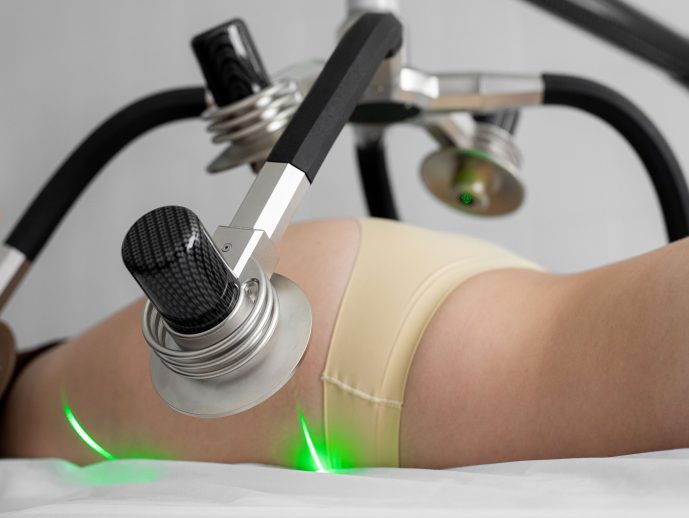
The best treatment route depends on the concern. Fat freezing is commonly associated with localised pockets of fat. Cavitation is often discussed in relation to body sculpting and contouring. RF skin tightening can be considered where firmness and texture are the main concerns. Cellulite treatments are used for dimpled or uneven-looking skin. Advanced facials are chosen for cleansing, exfoliation, hydration and glow.
A client may need one treatment type or a combination over time. The key is not to overload the plan. Good treatment planning is about matching the service to the concern, spacing appointments correctly and giving the body or skin time to respond. This approach feels more premium because it respects the client rather than rushing them into too much at once.
For anyone exploring non-surgical treatments, the best first step is to choose a clinic that explains options clearly and does not make the decision feel confusing. A calm, professional conversation is often the difference between an uncertain enquiry and a confident booking.
A modern approach to beauty confidence
Beauty confidence today is personal. Some clients want to feel more polished for a holiday. Others want to refresh their skin before an event. Some want to address stubborn areas after years of frustration. Others simply like having treatments as part of their self-care routine. None of these reasons needs to be dramatic to be valid.
The growth of non-surgical treatments in London reflects a wider change in how people approach beauty. It is less about chasing an unrealistic ideal and more about small, considered choices that fit real life. Clinics that understand this are likely to build stronger long-term relationships with clients.
In that sense, the best non-surgical beauty clinics are not just places where treatments happen. They are places where clients feel informed, respected and comfortable making decisions about their body and skin. That is what gives modern aesthetic treatments their lasting appeal.
Final thoughts
What clients should think about before booking
Before booking any beauty or body treatment, clients should think about what they actually want to improve. A clear goal makes the consultation more useful and helps the practitioner recommend the most suitable route. Someone who wants smoother-looking skin may need a different plan from someone focused on shape, glow, firmness or general maintenance.
It is also worth thinking about timing. Treatments are often best planned calmly rather than rushed immediately before an event. Giving the body or skin time to settle can make the experience feel more comfortable and gives the client a better chance to judge the result sensibly.
Clients should also ask questions. A professional clinic will not be irritated by someone wanting to understand the process. Questions about suitability, treatment sensation, aftercare, pricing and expected follow-up are normal, and the answers can help the client feel more confident.
Why realistic expectations are part of good care
Realistic expectations are not a negative thing. They protect the client and make the treatment experience more satisfying. In beauty and aesthetics, disappointment often happens when people are promised too much or when a treatment is described as if it can solve every concern. A more honest approach is better for everyone.
Non-surgical treatments can be very appealing, but they are still dependent on the individual. Age, skin quality, lifestyle, the treatment area and the body's natural response can all influence the outcome. A responsible practitioner should explain this clearly rather than using pressure or unrealistic language.
The best clinics build trust by being measured. They do not need to make exaggerated claims. Instead, they explain what the treatment is designed to support, what the client may notice over time and what aftercare is sensible. That tone feels more professional and more reassuring.
How treatment planning supports better decisions
A good treatment plan does not have to be complicated. It simply needs to match the client's concern, schedule and comfort level. Some clients may benefit from one focused appointment, while others may need a course of treatments or a combination of services over time. The right decision depends on the individual.
Planning also helps prevent over-treatment. In a market full of options, it can be tempting to book everything at once. A careful clinic will usually guide the client towards a sensible order, allowing each treatment to have its place and giving time to assess how the client responds.
This is particularly important for clients who are new to non-surgical treatments. Starting with a clear, well-explained option can build confidence. Once the client understands how the process works, they can decide whether further appointments are right for them.
The value of a calm consultation
The consultation is where trust begins. It gives the client space to explain their concern and gives the practitioner a chance to assess suitability. This should feel like a conversation, not a sales pitch. A client should leave understanding the treatment rather than feeling pushed into a decision.
A calm consultation is especially valuable for body treatments, because clients may be discussing areas they feel sensitive about. Professional language, privacy and a respectful tone can make the process feel much easier. When a clinic handles this well, clients are more likely to feel comfortable returning.
The best consultations also include practical guidance. This may involve discussing how to prepare, what to avoid immediately afterwards and how to look after the treated area or skin. Small details can make the whole experience feel more polished.
Why professional presentation matters
Professional presentation is not only about how a clinic looks online. It includes the way enquiries are answered, the clarity of appointment information, the cleanliness of the treatment space and the confidence of the practitioner. These details tell the client whether the clinic takes its work seriously.
In central London, clients have many choices. They are more likely to trust clinics that communicate clearly and keep the experience simple. Confusing information, vague pricing or exaggerated promises can quickly put people off. A professional, direct approach is usually far more effective.
A well-presented clinic also helps clients relax. When the space feels organised and the appointment feels structured, the client can focus on the treatment rather than worrying about what will happen next. That sense of ease is part of the overall result.
Non-surgical beauty and body treatments are now part of the way many London clients manage confidence, presentation and self-care. The most successful approach is not aggressive or unrealistic. It is measured, professional and tailored to the individual.
For anyone considering body contouring, skin tightening, cellulite treatment, cavitation, fat freezing or advanced facials, the right clinic should provide clear guidance, realistic expectations and a comfortable experience. That combination is what makes modern aesthetic treatments feel reassuring rather than overwhelming.
As London beauty trends continue to move towards subtle, non-surgical and maintenance-led treatments, clinics that focus on honesty, care and client confidence will remain the ones people trust most.
Comments
