Categories more
- Adventures (213)
- Arts / Collectibles (396)
- Automotive (889)
- Aviation (383)
- Bath, Body & Health (3914)
- Children (138)
- Cigars / Spirits (295)
- Cuisine (727)
- Design / Architecture (1123)
- Electronics (255)
- Entertainment (170)
- Event Planning (297)
- Fashion (590)
- Finance (425)
- Gifts / Misc (141)
- Home Decor (648)
- Jewelry (807)
- Pets (92)
- Philanthropy (124)
- Real Estate (401)
- Services (225)
- Sports / Golf (216)
- Vacation / Travel (1079)
- Watches / Pens (324)
- Wines / Vines (872)
- Yachting / Boating (9084)




Luxury Travel for Dogs: How to Protect Digestive Health on the Road

Published
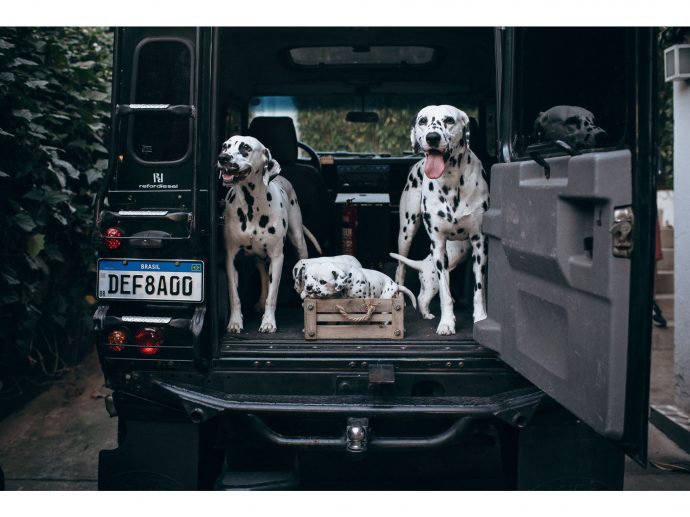
11/04/2026From extended stays at pet-friendly resorts to long-haul flights and private boat charters, traveling with a dog takes more preparation than reserving the right suite. Familiar food, feeding times and opportunities to exercise can all shift once a dog leaves home.
Digestive health deserves a place on the travel checklist. Changes in appetite and bowel movements can be among the signs that a dog is finding a new routine difficult, and paying attention to stool quality gives dog parents a practical, daily way to see how a pup is adjusting.
What Healthy Stool Looks Like Before Departure
A useful travel plan starts at home, with a clear baseline. The American Kennel Club describes healthy dog stool as brown, solid but slightly squishy, formed in one log-like piece, and sized in proportion to the amount of food eaten.
In the week before departure, note what normal looks like for this particular dog:
- Color, which depends partly on the food served
- Firmness, and whether it holds its shape when picked up
- Timing, such as one movement after breakfast and another in the evening
- Frequency, so a change on the road is easy to spot
The AKC also lists signs that call for a veterinary visit: mucus, blood, white specks that may point to tapeworm, or black, coffee-like stool, which can suggest internal bleeding. Watery stool can point to an intestinal problem, and small, dry pellets can suggest dehydration. These changes are clues to share with a veterinarian, not conclusions on their own.
Why Travel Can Affect a Dog’s Digestion
The gut responds to more than food. Veterinary specialists at BluePearl identify stress as one of the most common contributing factors to colitis in dogs, and a trip combines several unfamiliar experiences: airport terminals, time in a carrier, new rooms, and a schedule that changes with each leg of the itinerary.
The American Veterinary Medical Association notes that in unfamiliar surroundings, a pet’s appetite, energy and behavior may change. A dog who eats readily at home may show less interest in breakfast after an overnight flight.
Food is the other variable. Some pet-friendly hotels offer special menus or dining options for dogs, and holiday gatherings can introduce richer foods and unfamiliar snacks. Sudden diet changes are a common trigger for digestive upset, which is why veterinary guidance, including BluePearl’s, advises keeping a dog’s diet consistent.
Planning Meals Across Flights, Hotel Stays and Boat Trips
The AVMA’s guide to traveling with your dog or cat applies whether the itinerary includes a private charter, a resort stay or a drive to a second home. Its packing list includes enough food to last the entire trip, food and water bowls, water for stops where none is available, all medications, and the number of a 24-hour emergency veterinary hospital at the destination.
Long-haul and private flights
The AVMA recommends talking to a veterinarian about whether and when to feed before, during and after air travel, and suggests booking nonstop flights and avoiding layovers and busy holidays where possible. When a trip crosses several time zones, ask a veterinarian how best to adjust feeding times without disrupting the dog’s usual routine.
Multi-night hotel stays
Packing the dog’s regular food and familiar bowls keeps meals consistent from one property to the next. If a hotel offers in-room dining for dogs, confirm the arrangements before arrival and think of the menu as an occasional extra rather than a replacement for the usual bowl. If a welcome amenity includes snacks the dog has never had, set them aside or offer only a small amount.
Road trips and private boat trips
On long drives, the AVMA suggests small portions of food and water, with stops every two hours for exercise and relief. For personal boat trips, the AVMA recommends exercise before boarding and at stops. It also notes that dogs can be trained at home to use artificial turf or a box of sod as a familiar place to relieve themselves on board.
Supporting Digestion Well Before Departure
Any change to a dog’s diet belongs at home, weeks before the trip, not on the first morning at a resort. That includes a new food and any digestive supplement a veterinarian has suggested.
Digestive supplements can offer different combinations of fiber, prebiotics, probiotics and digestive enzymes to support gut health. Some formulas bring all four together in one product, which can be simpler to fit into an existing feeding routine than several separate supplements. Fiber sources can include pumpkin, flaxseed and grass-based ingredients such as miscanthus. Some products also come as small bits that mix into or sit on top of regular food rather than as loose powders. For travelers, that format can make it easier to keep familiar meals intact away from home. Dog parents comparing options for perfect poop for dogs can weigh these details alongside a veterinarian’s input.
Gradual introduction matters as much as the formula. The product’s feeding instructions recommend starting with one-quarter of the suggested serving and gradually building up over a week, while avoiding other dietary changes during the adjustment period. Starting early lets that adjustment happen at home, where the routine is steady and the dog’s normal stool is already known.
Check the label before starting. The product label states that it is intended for healthy, non-pregnant adult dogs. Its instructions also advise stopping use and consulting a veterinarian if an adverse reaction occurs. A veterinarian is the right person to decide whether a supplement suits a puppy, a pregnant dog, or a dog with sensitive digestion or a chronic condition.
Monitoring Digestion Away From Home
The AVMA recommends a daily health check while traveling. For digestion, that means noting appetite at each meal, water intake, energy on walks, and the four details from the home baseline: color, firmness, timing and frequency.
A single slightly softer stool after a long travel day may not indicate a serious problem, particularly if the dog remains energetic, eats normally and shows no other symptoms. Persistent changes or additional warning signs warrant veterinary advice. Contact a veterinarian if changes in a dog’s bowel movements persist, worsen or occur alongside other symptoms; the AVMA also recommends visiting a local veterinarian if any physical or behavioral change is a concern.
Seek veterinary advice promptly for:
- Blood, or black, coffee-like stool
- Mucus or white specks in the stool
- Stool changes that arrive with low energy or a lost appetite
Saving the contact details for a 24-hour emergency veterinary hospital near each destination before arrival removes one task from an already full itinerary.
Planning Around a Dog’s Routine
A well-planned trip considers a dog’s everyday needs alongside the destination itself. Familiar meals, consistent routines and attention to digestive health can make travel more comfortable for the whole family. Recognizing changes early, and knowing when to seek veterinary advice, gives a dog the best chance of enjoying the destination as much as everyone else.

Comments