Categories more
- Adventures (75)
- Arts / Collectables (24)
- Automotive (82)
- Aviation (77)
- Bath, Body, & Health (142)
- Children (53)
- Cigars / Spirits (87)
- Cuisine (96)
- Design/Architecture (36)
- Electronics (70)
- Entertainment (48)
- Event Planning (120)
- Fashion (79)
- Finance (17)
- Gifts / Misc (12)
- Home Decor (132)
- Jewelry (68)
- Pets (10)
- Philanthropy (5)
- Real Estate (40)
- Services (61)
- Sports / Golf (42)
- Vacation / Travel (160)
- Watches / Pens (79)
- Wines / Vines (44)
- Yachting / Boating (85)



Modern Approaches to Skincare and Aesthetic Rejuvenation

Published
03/04/2026Defining Medical Aesthetic and Wellness Treatments
We all seek ways to look and feel our best. This desire has led to a boom in advanced aesthetic and wellness treatments. These options go beyond basic beauty care, focusing on overall well-being.
In this guide, we will explore this growing field. We'll look at the key differences between medical aesthetic services and traditional spa treatments. We will also cover popular procedures like Botox, fillers, and microneedling.
Our discussion will extend to wellness therapies such as IV drips and PRP. We aim to help you understand how these treatments can boost your health and beauty. We'll also provide insights into safety, professional credentials, and what to expect from these services. Join us as we uncover modern approaches to skincare and rejuvenation.
Medical aesthetic and wellness treatments represent a sophisticated fusion of medical science and cosmetic enhancement. Unlike conventional beauty routines, these procedures are performed in a clinical setting, often under direct medical supervision, with a primary focus on achieving tangible physiological changes and therapeutic outcomes. The emphasis is on evidence-based practices that not only enhance appearance but also contribute to overall health and vitality.
This clinical approach ensures a higher standard of safety and efficacy. Medical oversight is paramount, ensuring that treatments are appropriate for each individual's health status and aesthetic goals. From skin rejuvenation to body contouring, these advanced aesthetic wellness treatments leverage cutting-edge technology and medical-grade products to deliver results that are often more dramatic and longer-lasting than traditional spa services. The integration of aesthetics with systemic wellness means addressing beauty concerns not just superficially, but by promoting health from within. Regulatory bodies, such as state medical boards and health departments, play a crucial role in governing these practices, ensuring strict adherence to medical standards and patient safety.

Distinguishing Clinical Services from Traditional Spas
The landscape of aesthetic care can be broadly divided into two categories: medical aesthetic services and traditional spa treatments. While both aim to improve appearance and well-being, their approaches, methodologies, and regulatory frameworks differ significantly.
Medical Aesthetic Services are characterized by their clinical focus. They involve procedures that often penetrate the skin or use medical devices to induce physiological changes. Examples include injectables like Botox and dermal fillers, laser therapies, medical-grade chemical peels, and microneedling. These treatments require a sterile environment and are performed by licensed healthcare professionals, such as doctors, physician assistants, or nurse practitioners. The products used are typically medical-grade, with higher concentrations of active ingredients designed to achieve specific, measurable corrections or enhancements. The goal is often to address underlying skin conditions, reverse signs of aging, or correct specific aesthetic concerns, leading to more significant and longer-lasting results.
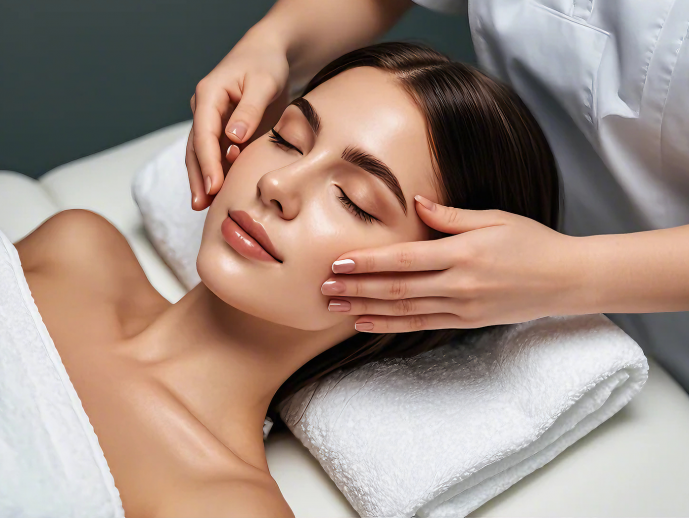
In contrast, Traditional Spa Treatments primarily focus on relaxation, pampering, and superficial skin care. Services like basic facials, massages, body wraps, manicures, and pedicures are designed to cleanse, hydrate, and relax the skin and body. These treatments are generally non-invasive, meaning they do not break the skin barrier. They are performed by licensed estheticians or massage therapists, whose training focuses on skin care and relaxation techniques rather than medical procedures. While beneficial for stress reduction and temporary skin improvement, traditional spa services typically do not aim for significant physiological change or the correction of medical skin conditions. They offer a more sensorial experience, nourishing both body and spirit, but their results are often more temporary and focused on immediate comfort and surface-level enhancement.
The core difference lies in the intent and depth of treatment: medical aesthetics aims for correction and physiological change under medical supervision, while traditional spas prioritize relaxation and superficial enhancement in a non-medical setting. Understanding this distinction is crucial for individuals to make informed decisions that align with their personal aesthetic and wellness goals.
The Role of Medical Oversight in Patient Safety
Patient safety is the cornerstone of medical aesthetic and wellness treatments. This is where robust medical oversight becomes indispensable, distinguishing medical spas from traditional spas. In a medical spa setting, treatments are administered or supervised by qualified medical professionals, ensuring that every procedure meets stringent medical standards and regulatory compliance.
Qualified Professionals: At the helm of medical spas are often medical directors—licensed physicians who oversee all medical procedures. Under their guidance, treatments may be performed by a team of highly trained and credentialed professionals, including:
- Nurse Practitioners (NPs): Registered nurses with advanced education and clinical training, capable of diagnosing, treating, and prescribing.
- Physician Assistants (PAs): Healthcare professionals licensed to practice medicine with physician supervision.
- Registered Nurses (RNs): Trained to administer a wide range of medical aesthetic treatments under a physician's directive.
- Medical Estheticians: Estheticians with specialized training in medical-grade skin care procedures, often working directly under medical supervision.
Credentials and Training: When considering any medical aesthetic treatment, patients should meticulously research the credentials of the professionals involved. Look for practitioners who are board-certified in relevant specialties (e.g., dermatology, plastic surgery) or have extensive, specialized training in aesthetic medicine. Continuous education and certification in specific technologies or procedures are indicators of a commitment to safety and excellence.
Safety Protocols and Regulatory Compliance: Medical spas operate under the strict regulatory frameworks set by state medical boards and health departments. These regulations dictate:
- Facility Requirements: Ensuring a clean, sterile, and safe environment for medical procedures.
- Equipment Standards: Mandating the use of FDA-approved devices and maintaining them according to manufacturer guidelines.
- Medication Management: Strict protocols for the storage, administration, and disposal of medical-grade products and injectables.
- Emergency Preparedness: Comprehensive plans and trained staff to manage potential complications or medical emergencies, including the availability of emergency reversal agents for certain procedures (e.g., hyaluronidase for hyaluronic acid fillers).
- Patient Screening: Thorough medical history reviews and consultations to identify contraindications and assess patient suitability for treatments.
This rigorous oversight ensures that risks are minimized and that patients receive care that is not only effective but also safe. The emphasis on risk mitigation, coupled with the expertise of qualified professionals, provides patients with the confidence that their well-being is prioritized throughout their aesthetic and wellness journey.
Popular Minimally Invasive Procedures for Skin Health
The demand for effective yet minimally invasive solutions for skin health and rejuvenation has led to the widespread popularity of several key procedures in medical spas. These treatments offer significant improvements with less downtime compared to traditional surgery, making them highly attractive to individuals seeking noticeable results without extensive recovery periods.

Precision Injectables as Aesthetic and Wellness Treatments
Precision injectables form the backbone of many medical aesthetic practices, offering targeted solutions for wrinkle reduction, volume restoration, and facial contouring. The two most prominent categories are neuromodulators and dermal fillers.
Neuromodulators (e.g., Botox): These treatments, primarily Botulinum Toxin Type A, work by temporarily relaxing specific facial muscles responsible for dynamic wrinkles—those that appear with facial expressions. When injected into targeted areas, neuromodulators smooth lines around the eyes (crow's feet), on the forehead, and between the eyebrows (frown lines). The effects typically appear within 3 to 5 days, with full results visible after 2 weeks. With repeat treatments, Botox can reduce the appearance of wrinkles by up to 80%, offering a smoother and more youthful complexion. The results usually last three to four months.
Dermal Fillers (e.g., Hyaluronic Acid Fillers): Dermal fillers are designed to restore lost volume, plump up static wrinkles (those present even at rest), and enhance facial contours. Hyaluronic acid (HA) is a naturally occurring substance in the body that attracts and holds water, making it an ideal component for fillers. These fillers can be used to:
- Plump Lips: Adding volume and defining the lip border.
- Smooth Nasolabial Folds: Reducing the lines running from the nose to the corners of the mouth.
- Enhance Cheeks and Jawline: Restoring youthful contours and definition.
- Fill Under-Eye Hollows: Reducing the appearance of dark circles and fatigue.
Hyaluronic acid fillers can provide results lasting up to 18 months, depending on the specific product used, the area treated, and individual metabolism. Beyond aesthetics, fillers can also enhance wellness by boosting self-confidence and addressing concerns such as facial asymmetry or volume loss caused by medical conditions.
Benefits of Common Injectables:
- Wrinkle Reduction: Significantly diminishes the appearance of fine lines and wrinkles.
- Volume Restoration: Replaces lost facial volume, creating a more youthful look.
- Enhanced Facial Contours: Defines features such as the cheeks, jawline, and lips.
- Improved Skin Hydration: Hyaluronic acid fillers can also draw moisture to the skin.
- Minimally Invasive: Quick procedures with little to no downtime.
- Long-Lasting Results: Effects can persist for several months to over a year.
- Boosted Confidence: Patients often report increased self-esteem and satisfaction with their appearance.
These precision injectables offer a powerful way to achieve aesthetic goals while contributing to a renewed sense of well-being.
Advanced Resurfacing and Microneedling Techniques
Beyond injectables, medical spas offer a suite of advanced resurfacing and microneedling techniques that are instrumental in improving skin texture, tone, and overall health. These treatments focus on epidermal repair and collagen induction, addressing a wide array of skin concerns.
Microneedling (Collagen Induction Therapy): This popular procedure uses a device with fine needles to create microscopic punctures in the skin's surface. These controlled micro-injuries stimulate the body's natural wound healing process, leading to increased collagen and elastin production. The benefits of microneedling are extensive:
- Acne Scarring: Effectively reduces the appearance of pitted acne scars by remodeling the skin.
- Texture Refinement: Improves overall skin texture, making it smoother and more even.
- Pigmentation Control: Helps to diminish hyperpigmentation, sun spots, and melasma.
- Pore Reduction: Minimizes the appearance of enlarged pores.
- Fine Lines and Wrinkles: Softens early signs of aging.
- Serum Infusion: The microneedle-created microchannels also allow deeper penetration of topical serums and growth factors, enhancing their efficacy.
HydraFacial: A multi-step treatment that cleanses, exfoliates, extracts, and hydrates the skin using patented technology. It combines several essential facial steps into one, delivering instant and noticeable results with no downtime. The process typically involves:
- Vortex-Cleansing™: Gently washes away dead skin cells and impurities.
- Acid Peel: A mild peel that exfoliates without post-peel scaling.
- Vortex-Extraction™: Painlessly suctions out blackheads and impurities from pores.
- Vortex-Fusion™: Delivers a blend of antioxidants, peptides, and hyaluronic acid to nourish and protect the skin.
HydraFacial is highly effective at improving overall skin health and addressing concerns such as dullness, uneven tone, congested pores, and fine lines. It leaves the skin purified, hydrated, and radiant, making it a popular choice for a quick refresh or before special events.
These advanced techniques, whether stimulating collagen through microneedling or deeply cleansing and hydrating with HydraFacial, play a crucial role in maintaining and enhancing skin health, contributing to a vibrant and youthful appearance.
The Rise of Regenerative and Holistic Therapies
The aesthetic and wellness industry is increasingly embracing regenerative and holistic therapies, moving beyond surface-level treatments to address the body's innate healing capabilities and overall well-being. These innovative approaches aim to rejuvenate from within, promoting long-term health and sustainable beauty.
Integrating Holistic Aesthetic and Wellness Treatments
The concept of holistic wellness is gaining significant traction, recognizing that external appearance often reflects internal health. Integrating holistic approaches with advanced medical treatments offers a comprehensive pathway to well-being and aesthetic confidence. This philosophy extends to various aspects of health, including hormonal balance and stress management.
Menopause Support and Bio-identical Hormones: Menopause can bring about significant changes in skin elasticity, hydration, and overall vitality. Modern aesthetic and wellness centers now offer specialized treatments and support for women navigating this life stage. This can include:
- Bio-identical Hormone Replacement Therapy (BHRT): Tailored hormone treatments that use hormones chemically identical to those naturally produced by the body, addressing symptoms like skin thinning, dryness, and loss of collagen.
- Nutritional Counseling: Guidance on diet and supplements to support hormonal balance and skin health.
- Targeted Skin Treatments: Procedures designed to counteract menopause-related skin changes, such as collagen-stimulating therapies.
Lymphatic Drainage and Detoxification: Lymphatic drainage, a gentle massage technique, is crucial for detoxification and reducing fluid retention, which can impact skin health and appearance. It supports the body's natural cleansing processes, helping reduce puffiness and achieve a clearer complexion.
Gut-Skin Axis and Nutritional Support: A growing body of research highlights the profound connection between gut health and skin health. Holistic treatments often include:
- Dietary Modifications: Recommendations to improve gut microbiome balance.
- Probiotics and Prebiotics: Supplements to support a healthy digestive system.
- Nutritional IVs: Delivering essential vitamins and minerals directly to the bloodstream to optimize cellular function, which we will discuss further.
Stress Management and Mental Well-being: Chronic stress can manifest on the skin as breakouts, dullness, or accelerated aging. Holistic approaches integrate stress reduction techniques, recognizing their impact on both aesthetics and overall wellness.
For those interested in a comprehensive approach to beauty that includes meticulous care for features like SA Blissful Spa brows and lashes, understanding the interconnectedness of internal and external health is key. By addressing the gut-skin axis, hormonal balance, and stress, we can achieve more profound and sustainable aesthetic results.
Wellness Injections and Intravenous Nutrient Therapy
Wellness injections and intravenous (IV) nutrient therapy have emerged as powerful tools for enhancing overall health, boosting energy levels, and supporting various bodily functions, thereby significantly impacting aesthetic outcomes. These therapies deliver essential vitamins, minerals, amino acids, and other nutrients directly into the bloodstream, bypassing the digestive system for maximum absorption and immediate availability to cells.
IV Drips (IV Infusions): These customized nutrient cocktails are designed to address specific health concerns or wellness goals. Common benefits include:
- Immune Support: High doses of Vitamin C, zinc, and other immune-boosting nutrients can help ward off illness and accelerate recovery.
- Energy Optimization: B vitamins, magnesium, and amino acids can combat fatigue, improve mental clarity, and enhance physical performance.
- Hydration: Rapidly rehydrates the body, which is crucial for skin health, cellular function, and overall vitality.
- Detoxification: Certain formulations support the liver's detoxification pathways, helping the body eliminate toxins that can contribute to skin issues or malaise.
- Anti-Aging: Antioxidants like glutathione can protect cells from oxidative stress, a key factor in aging.
NAD+ Therapy: Nicotinamide Adenine Dinucleotide (NAD+) is a coenzyme found in all living cells, vital for cellular energy production, DNA repair, and numerous metabolic processes. NAD+ levels naturally decline with age, contributing to various age-related issues. NAD+ IV therapy aims to replenish these levels, offering potential benefits such as:
- Enhanced Cellular Health: Supports mitochondrial function, improving cellular energy.
- Anti-Aging Effects: May help repair DNA and reduce cellular damage.
- Improved Cognitive Function: Some users report better focus and mental clarity.
- Reduced Inflammation: Contributes to overall systemic health, potentially positively impacting skin.
- Addiction Recovery Support: Increasingly used in certain protocols to aid in withdrawal and cravings.
Vitamin Injections: Beyond IV drips, single-shot vitamin injections offer quick boosts for specific needs:
- B12 Injections: Popular for combating fatigue, boosting metabolism, and supporting nerve function.
- Vitamin D Shots: Essential for bone health, immune function, and mood regulation, especially for individuals with deficiencies.
These wellness injections and IV therapies are often integrated into comprehensive wellness plans, working synergistically with aesthetic treatments to promote a holistic sense of health and beauty. By optimizing internal health, patients can achieve more vibrant skin, increased energy, and an improved quality of life.
Safety, Credentials, and Patient Expectations
Embarking on any aesthetic or wellness journey requires careful consideration of safety, practitioners' qualifications, and a clear understanding of realistic patient expectations. These elements are paramount to achieving satisfying outcomes and ensuring a positive experience.

Managing Risks and Side Effects
While medical aesthetic procedures are generally safe when performed by qualified professionals, it's crucial for patients to be aware of potential risks and side effects, and how these are managed. Transparency and preparedness are key components of responsible practice.
Common Side Effects:
- Bruising and Swelling: These are the most common side effects, particularly with injectables like Botox and dermal fillers. They are usually temporary and can be minimized with proper technique, pre-treatment instructions (e.g., avoiding blood thinners), and post-treatment care (e.g., ice packs).
- Redness and Tenderness are expected after treatments that stimulate the skin, such as microneedling, chemical peels, and laser therapies. These typically subside within hours to a few days.
- Minor Discomfort: Most procedures involve some level of discomfort, which is managed with topical anesthetics, local injections, or cooling devices.
Potential Risks and Management:
- Infection: Any procedure that breaks the skin carries a risk of infection. Medical spas adhere to strict sterilization and hygiene protocols to prevent this. Patients are also given aftercare instructions to follow at home.
- Allergic Reactions: While rare, allergic reactions to ingredients in fillers or topical products can occur. A thorough medical history review during consultation helps identify potential sensitivities. Emergency protocols and medications are always on hand.
- Nodules or Lumps: Can sometimes occur with dermal fillers. These are often treatable with massage, hyaluronidase injections (for HA fillers), or other interventions.
- Vascular Occlusion: A rare but serious complication with fillers where the product is accidentally injected into a blood vessel, potentially leading to tissue damage. Highly trained practitioners understand facial anatomy to minimize this risk and have emergency reversal agents (such as hyaluronidase) immediately available to dissolve HA fillers if occlusion occurs.
- Hyperpigmentation: Can occur after laser treatments or peels, especially in individuals with darker skin tones, if not properly managed. Proper skin preparation, post-treatment care, and sun protection are vital.
Clinical Assessment and Prevention: A comprehensive clinical assessment during the initial consultation is the first line of defense against risks. This includes a detailed medical history, skin analysis, and discussion of any medications or allergies. Qualified practitioners prioritize patient safety by:
- Using FDA-approved products and devices.
- Adhering to best practices for injection techniques and sterile environments.
- Providing clear pre- and post-treatment instructions.
- Being proficient in managing and treating complications should they arise.
Patients should always feel comfortable asking about potential risks and how their chosen provider is equipped to manage them.
The Importance of the Initial Consultation
The initial consultation is arguably the most critical step in any aesthetic or wellness journey. It serves as the foundation for a safe, effective, and personalized treatment plan, ensuring that patient expectations align with realistic outcomes.
What to Expect During a Consultation:
- Comprehensive Skin Analysis: The practitioner will thoroughly assess your skin type, condition, and any specific concerns (e.g., wrinkles, pigmentation, acne scars, volume loss). This often involves specialized imaging tools to reveal underlying issues not visible to the naked eye.
- Detailed Medical History Review: Crucial for identifying contraindications that may make certain treatments unsafe. Information regarding allergies, current medications (including supplements), past medical conditions, and previous aesthetic procedures is gathered. For example, individuals on blood thinners might be advised to temporarily stop them before injectables to reduce bruising risk.
- Discussion of Aesthetic Goals and Concerns: This is your opportunity to articulate what you hope to achieve. A skilled practitioner will listen intently, ask clarifying questions, and help you define realistic goals.
- Education on Treatment Options: Based on your assessment and goals, the practitioner will explain various treatment options, detailing how each works, its benefits, potential risks, expected results, and the number of sessions typically required.
- Custom Treatment Plan Development: A personalized plan will be formulated, outlining the recommended procedures, their sequence, and estimated timelines. This plan should be tailored to your unique needs, budget, and lifestyle.
- Discussion of Aftercare and Long-term Maintenance: Understanding what to do post-treatment and how to maintain results is vital. This includes skincare routines, sun protection, and scheduling follow-up appointments.
- Addressing Contraindications: The consultation is where any conditions that would make a treatment unsafe (e.g., pregnancy, certain autoimmune diseases, active infections) are identified and discussed.
Why it's Important:
- Personalization: Every individual's skin and body are unique. A thorough consultation ensures that treatments are customized, maximizing efficacy and minimizing adverse effects.
- Realistic Expectations: Practitioners help manage expectations, explaining what can and cannot be achieved, and the typical timelines for results. For instance, while Botox results can be seen within 3 to 5 days with full effects in two weeks, treatments like microneedling or PRP therapy show gradual improvements over several sessions.
- Safety First: By identifying contraindications and potential risks, the consultation prioritizes your safety above all else.
- Informed Consent: You gain a complete understanding of the proposed treatments, allowing you to make an informed decision.
Choosing a medical spa that emphasizes a thorough consultation process is a hallmark of quality care, ensuring a partnership between patient and practitioner towards achieving desired aesthetic and wellness outcomes.
Investment and Realistic Outcomes
Understanding the financial investment and setting realistic expectations are crucial to engaging with aesthetic and wellness treatments. While these services offer transformative benefits, they represent an investment in oneself, both in terms of cost and commitment.
Average Cost Ranges for Popular Services
The cost of aesthetic and wellness treatments can vary significantly based on several factors, including geographic location, the practitioner's expertise and reputation, the specific products or technologies used, and the number of sessions required. It’s also important to consider potential maintenance costs for long-term results.
Below are average cost ranges for some popular treatments based on internet data. Please note that these are general estimates and not actual costs for SA Blissful Spa or any specific provider. We always recommend scheduling a consultation for precise pricing tailored to your individual needs.
List of Average Treatment Costs:
- Botox: $300 - $1,200 per treatment area
- Dermal Fillers: $600 - $2,500 per syringe, depending on the type and brand
- Microneedling: $250 - $900 per session
- Laser Therapy (e.g., fractional laser, IPL): $400 - $3,000 per session, highly variable by type and area
- HydraFacial: $150 - $300 per session
- Chemical Peels (medical-grade): $150 - $600 per session
- PRP Therapy (facial or hair restoration): $500 - $2,500 per session
- IV Drips: $100 - $400 per session, depending on the cocktail
Factors Influencing Pricing:
- Geographic Location: Costs can be higher in major metropolitan areas.
- Practitioner Expertise: Highly experienced or renowned practitioners may charge more.
- Product/Technology: Premium brands or advanced devices can influence the price.
- Treatment Area Size: Larger areas or more complex concerns require more product or time, increasing cost.
- Package Deals: Many providers offer discounts for purchasing multiple sessions or combining treatments.
It's essential to factor in not just the initial treatment cost but also the expense of maintenance sessions, which are often necessary to sustain results. During your consultation, ensure you receive a clear breakdown of all costs and a recommended treatment schedule.
Frequently Asked Questions about Modern Aesthetics
Navigating aesthetic and wellness treatments can bring up many questions. Here, we address some of the most common inquiries to help clarify key distinctions and expectations.
What is the primary difference between a medical spa and a traditional day spa?
The fundamental difference lies in medical oversight and the types of services offered. A medical spa (med spa) operates under the supervision of a licensed medical doctor and provides medical-grade aesthetic treatments that affect physiological changes in the skin or body. These treatments often involve invasive procedures (like injectables, lasers, or medical peels) and require a sterile environment. Practitioners in a med spa are typically licensed healthcare professionals (physicians, nurse practitioners, physician assistants, or highly trained medical estheticians).
A traditional day spa, on the other hand, focuses on relaxation, pampering, and non-invasive services. These include massages, basic facials, manicures, pedicures, and body wraps. They are typically overseen by a licensed esthetician or massage therapist, and the treatments do not penetrate the skin or involve medical devices. The primary goal of a day spa is to provide a relaxing experience and superficial skin care, rather than medical correction or significant physiological change.
How long do the results of common wellness treatments typically last?
The longevity of results from wellness treatments varies significantly depending on the specific treatment, individual metabolism, lifestyle, and consistency of follow-up care.
- IV Drips: The immediate effects of hydration and nutrient boosts from IV drips typically last from a few days to a week. For sustained benefits, regular sessions (e.g., monthly) are often recommended.
- PRP Therapy: For skin rejuvenation or hair restoration, PRP results are gradual and cumulative. Initial improvements may be seen within weeks, with optimal results appearing after a series of 3-4 treatments over several months. Maintenance treatments are usually recommended every 6-12 months to sustain results.
- Cryotherapy: The immediate benefits, such as reduced inflammation and pain relief, can last for hours to a few days. For athletic recovery or chronic pain management, regular sessions (e.g., several times a week) are often part of a regimen.
- Weight Loss Programs: Results from medical weight-loss programs depend heavily on adherence to the plan, lifestyle changes, and individual factors. Sustainable weight loss is a long-term commitment that requires ongoing effort and support.
Generally, wellness treatments are part of an ongoing lifestyle strategy rather than a one-time fix, with consistent engagement yielding the most enduring benefits.
Are regenerative treatments like PRP safer than synthetic fillers?
Regenerative treatments like Platelet-Rich Plasma (PRP) therapy are generally considered very safe because they utilize the patient's own biological material (autologous blood). This significantly reduces the risk of allergic reactions or rejection, which can sometimes be a concern with synthetic substances. PRP involves drawing a small amount of blood, processing it to concentrate the platelets, and then injecting the platelet-rich plasma back into the desired area. The risks are primarily associated with the injection process itself (e.g., bruising, swelling, minor infection) rather than the substance being injected.
Synthetic fillers, typically made of hyaluronic acid (HA) or other biocompatible materials, are also considered safe when administered by experienced professionals. However, because they are not derived from the patient's own body, there is a very small risk of allergic reaction (though rare with HA fillers) or immune response. More serious, albeit rare, complications like vascular occlusion are also specific to synthetic filler injections.
While both types of treatments have excellent safety profiles when performed correctly, PRP has an edge as a completely natural, autologous substance that minimizes risks associated with foreign materials. The choice between PRP and synthetic fillers often depends on the specific aesthetic goal: fillers provide immediate volume, while PRP stimulates natural tissue regeneration over time.
Conclusion
The world of aesthetic and wellness treatments is continually evolving, offering increasingly sophisticated and holistic pathways to looking and feeling your best. From the precision of medical aesthetic procedures like Botox and dermal fillers to the regenerative power of therapies like PRP and IV drips, we are witnessing a remarkable integration of science and self-care.
This comprehensive guide has illuminated the distinctions between medical and traditional spa services, highlighting the critical role of medical oversight, qualified professionals, and stringent safety protocols in medical aesthetics. We've explored popular treatments, their realistic outcomes, and the importance of a thorough consultation to tailor a plan that respects individual needs and goals.
The emerging trends in regenerative medicine, longevity science, and integrated health underscore a future where aesthetic confidence is intrinsically linked to overall well-being. As we continue to understand the intricate connections between our internal health and external appearance, the emphasis shifts towards sustainable rejuvenation and personalized care. By making informed choices and partnering with reputable practitioners, individuals can navigate this dynamic landscape to achieve not just beauty but a profound sense of vitality and integrated health.
Comments
