Categories more
- Adventures (62)
- Arts / Collectables (14)
- Automotive (77)
- Aviation (65)
- Bath, Body, & Health (123)
- Children (6)
- Cigars / Spirits (71)
- Cuisine (66)
- Design/Architecture (22)
- Electronics (63)
- Entertainment (36)
- Event Planning (115)
- Fashion (45)
- Finance (10)
- Gifts / Misc (6)
- Home Decor (118)
- Jewelry (41)
- Pets (3)
- Philanthropy (1)
- Real Estate (16)
- Services (44)
- Sports / Golf (14)
- Vacation / Travel (85)
- Watches / Pens (33)
- Wines / Vines (34)
- Yachting / Boating (67)


Modern Bathroom Transformations That Redefine Comfort

Published
04/01/2026The bathroom is usually where the day begins, and sometimes where it unravels a bit. A fogged mirror when you are already late. A shower that sprays in the wrong direction. A cabinet door that never quite closes. None of it feels dramatic, but it wears on you.
When people talk about comfort at home, they rarely start with the bathroom. Yet once it is updated properly, it is the room they mention most. Modern bathroom transformations are not about chasing trends. They are about removing daily friction and replacing it with ease.
Reworking the Layout for Flow
Many older bathrooms were designed around plumbing lines, not around movement. You step in, and the toilet blocks the door swing. The vanity feels wedged into a corner. Storage is an afterthought.
A layout shift can change everything. Moving a wall a few inches. Rotating a vanity. Swapping a bulky tub for a streamlined shower. These decisions open up walking space and reduce awkward turns. The room feels calmer because your body is not navigating around obstacles. Comfort, in this case, is about flow. You notice it most when it is no longer a problem.
Working on What’s Behind the Walls
A surface update can look impressive in photos, but real comfort begins behind tile and drywall. Plumbing lines, drainage slopes, waterproofing systems, and ventilation all have to be aligned. If they are not, the room may look new but still feel flawed. Moisture that is not vented properly lingers in the air. Poorly placed pipes affect water pressure. Weak subfloors allow tile to crack over time. These issues are rarely visible at first.
This is where working with an experienced bathroom contractor becomes essential. A qualified team can assess the structure, suggest realistic changes, and make sure waterproofing and ventilation are done correctly from the start. The comfort that results is steady and long term, not just cosmetic.
Converting the Tub to a Walk-In Shower
Large, unused tubs take up valuable floor space. Many families find they rarely take baths, yet the tub dominates the room. Converting that space into a walk-in shower often shifts how the bathroom functions.
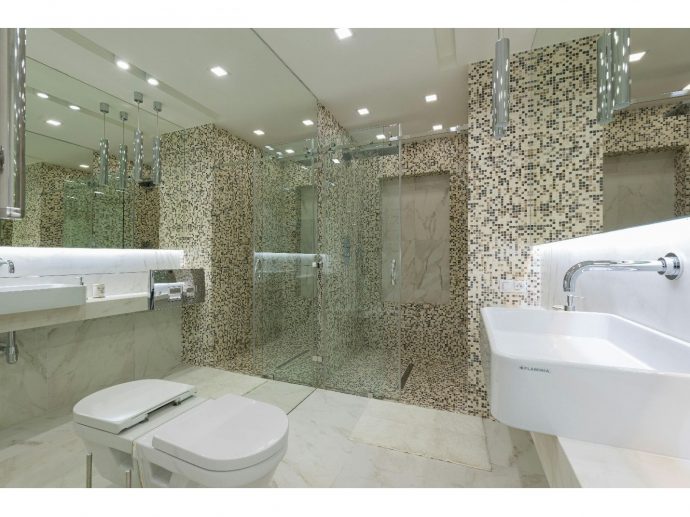
A low or zero threshold entry makes stepping in and out easier. Frameless glass keeps sight lines open, so the room appears larger. Built-in niches hold products without cluttering corners. When done properly, the shower becomes the main feature instead of an afterthought. Waterproof panels and properly sloped floors ensure that water stays where it belongs. The comfort here is practical. You move freely. Cleaning is simpler. The room feels less cramped.
Upgrading the Vanity and Storage System
Vanities in older bathrooms were often small and shallow. Drawers stuck. Counter space was limited. Items piled up quickly. A modern vanity transformation focuses on both scale and organization. Deeper drawers with dividers hold daily essentials neatly. Soft-close hardware reduces noise and wear. Wider countertops give breathing room between the sink and edge.
Some homeowners choose floating vanities, which leave space beneath and make the floor easier to clean. Others prefer full cabinetry for maximum storage. Either way, when everything has a place, the room feels lighter. Visual clutter drops, and that alone shifts the mood of the space.
Rethinking Lighting Placement
Harsh overhead lighting can make even a newly renovated bathroom feel uninviting. Shadows fall in the wrong places. Mirrors reflect glare instead of clarity. Layered lighting changes that experience. Overhead fixtures provide general brightness. Vertical lights beside the mirror reduce shadows on the face. Dimmer switches allow the room to adjust from morning rush to evening wind-down.
Some modern designs include under-cabinet lighting for a subtle glow at night. It is a small detail, but it prevents the shock of full brightness during late hours. When lighting is balanced, the room feels composed. You notice fewer flaws, both in the mirror and in the design.
Installing Heated Flooring
Tile is durable and water-resistant, but it can feel cold under bare feet. Heated flooring systems address that discomfort directly. Thin electric mats are installed beneath the tile surface. A thermostat controls the temperature, allowing the floor to warm gently before you step in. The heat is even and steady, not intense.
This upgrade does not change the look of the room dramatically. It changes the feeling. Mornings become less abrupt. The bathroom feels intentionally designed rather than purely functional. Over time, this kind of comfort becomes expected.
Integrating Accessibility Features Seamlessly
Modern comfort includes planning for the future. As households evolve, needs shift. Accessibility features are no longer designed to stand out. Curbless showers allow easy entry for all ages. Grab bars are matched to other hardware finishes so they blend into the design. Wider pathways between fixtures improve movement without drawing attention to it.
This transformation is quiet but meaningful. The room becomes safer without feeling clinical. Comfort is not just softness or warmth. It is confidence in how the space supports you.
Updating Fixtures and Water Controls
Old faucets drip. Shower handles slip. Toilets run quietly in the background. These issues are often tolerated longer than they should be. Modern fixtures are designed for efficiency and control. Pressure-balanced valves keep the shower temperature steady even when other taps are used. Touchless faucets reduce the spread of germs and limit water waste. Dual-flush toilets conserve water while maintaining performance.
Finishes have evolved as well. Brushed metals resist fingerprints and water spots more effectively than polished surfaces. The difference is subtle but practical. Maintenance becomes easier. The room looks cleaner with less effort.
Choosing Materials That Last
Surface materials shape both durability and feel. Laminate counters can chip. Cheap tile can crack. Grout can stain if not sealed properly. Quartz and solid surface countertops resist moisture and scratches. Large-format tiles reduce grout lines, which simplifies cleaning. Properly sealed stone holds up well in humid conditions.
Material choice is not only about style. It affects how the room ages. A bathroom that still looks solid after years of use provides a quiet kind of reassurance. You do not worry about every splash or spill.
Modern bathroom transformations that redefine comfort focus on movement, temperature, light, storage, and structure. Each change removes a small daily irritation. Together, those adjustments create a room that supports you without demanding attention. When comfort is done right, it feels ordinary in the best way.
Comments
