Table of Contents
- Importance of Insulation
- Traditional vs. Modern Insulation Methods
- Types of Modern Insulation Materials
- Benefits of Modern Insulation
- Cost Considerations and Savings
- Installation Process and Best Practices
- Government Incentives and Rebates
- Conclusion
In today's increasingly energy-conscious society, finding ways to cut power usage and reduce monthly expenses is a priority for many homeowners. One of the most effective solutions is upgrading to modern insulation methods, which deliver robust energy efficiency and long-term cost savings. From minimizing heat loss in winter to enhancing overall living comfort, these advancements have transformed how properties manage energy. Residents considering insulation services can expect not only significant utility bill reductions but also meaningful improvements in home sustainability.
Modern insulation goes far beyond just trapping heat or cool air. These comprehensive techniques provide lasting benefits, ensuring comfortable temperatures indoors and better protection against the elements. Understanding the technology behind updated insulation will help homeowners make informed decisions for their properties and the environment.
Importance of Insulation
Insulation serves as a shield against energy loss, making it crucial for maintaining consistent indoor temperatures throughout the year. Proper insulation reduces the amount of energy required to heat or cool a home, leading directly to lower monthly utility bills. According to the U.S. Department of Energy, homeowners can cut their heating and cooling expenses by up to 20 percent just by focusing on insulation quality. Well-insulated homes yield not only financial benefits but also a smaller environmental footprint due to decreased energy demand.
Traditional vs. Modern Insulation Methods
For decades, traditional insulation such as fiberglass batts and blown-in cellulose has been the standard in residential construction. While these materials offer a basic level of thermal resistance, they are prone to leaving small gaps and air leaks that undermine their effectiveness. As building science has evolved, modern approaches, including spray foam and rigid foam boards, have emerged as preferred solutions. These advanced options seal gaps more completely, eliminate cold drafts, and boost the home’s total R-value (a measure of insulation’s effectiveness).
Types of Modern Insulation Materials
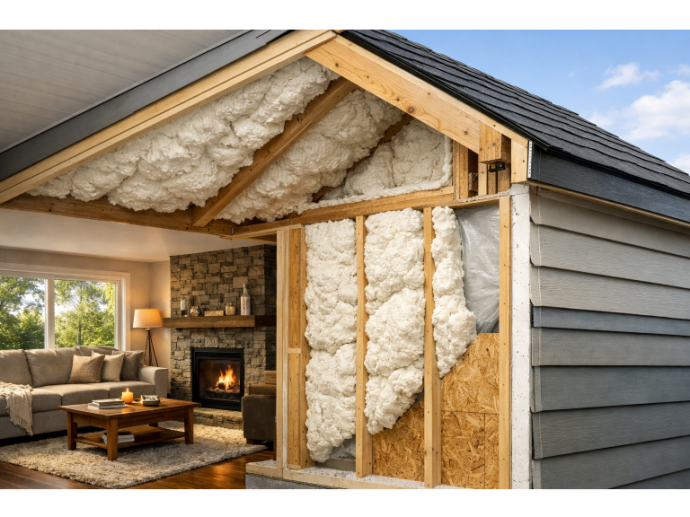
- Spray Foam Insulation: This type expands when applied, creating an airtight barrier that fills in even the tiniest gaps and cracks. Spray foam is ideal for attics, crawlspaces, and wall cavities where traditional insulation may fall short.
- Rigid Foam Boards: These panels offer a high level of insulation per inch and are particularly effective for exterior wall sheathing or basement remodels. Their rigid structure also adds strength and moisture resistance.
- Reflective Insulation: Consisting of aluminum foil or similar materials, reflective insulation is designed to deflect radiant heat. It works especially well in attics and climates with hot, sunny weather.
Benefits of Modern Insulation
Adopting cutting-edge insulation methods offers significant advantages for both the homeowner and the environment. First, these methods dramatically improve energy efficiency, reducing the need for constant heating or cooling. This translates into consistent and comfortable indoor environments, as well as notable savings on energy bills. Modern materials also provide excellent soundproofing, reducing the transmission of noise from one room to another or from outside sources. Additionally, they enhance moisture control by creating a better seal, which prevents issues such as condensation and mold that can arise with improper insulation.
Cost Considerations and Savings
While modern insulation often requires a slightly higher initial investment than traditional methods, the long-term payoff is substantial. Homeowners typically recover the upfront costs within a few years due to lower monthly utility bills. Homes outfitted with advanced insulation also tend to retain value better and attract environmentally conscious buyers. On top of direct financial gains, improved insulation helps protect appliances, heating, and cooling systems by reducing strain and extending their lifespans.
Installation Process and Best Practices
Achieving the best results with modern insulation depends on careful planning and professional execution. Start by conducting a thorough energy audit to pinpoint areas where energy loss occurs most. This assessment helps determine which materials are best suited for each part of the structure, such as spray foam in attics or rigid boards for exterior walls. Sealing is critical; pay special attention to common culprits like windows, doors, and ductwork. Hiring certified professionals ensures that insulation is installed to the highest standards and complies with local building codes, further safeguarding your investment.
Government Incentives and Rebates
Homeowners considering insulation upgrades may benefit from government programs aimed at promoting energy efficiency. For example, the U.S. Department of Energy provides a range of tax credits and rebates for qualifying improvements. These incentives help offset the initial installation costs, making modern insulation even more accessible. It is recommended to check local and national guidelines regularly, as available incentives can vary by region and may be updated periodically.
Conclusion
Investing in modern insulation is a forward-thinking choice for anyone looking to decrease energy costs and enhance the indoor quality of life. By learning about new materials and best practices, homeowners can make informed choices that lead to energy savings and a more comfortable environment. These investments deliver not only immediate financial returns but also lasting benefits for the environment and future generations.