Categories more
- Adventures (62)
- Arts / Collectables (14)
- Automotive (77)
- Aviation (65)
- Bath, Body, & Health (123)
- Children (6)
- Cigars / Spirits (71)
- Cuisine (66)
- Design/Architecture (22)
- Electronics (63)
- Entertainment (36)
- Event Planning (115)
- Fashion (45)
- Finance (10)
- Gifts / Misc (6)
- Home Decor (118)
- Jewelry (41)
- Pets (3)
- Philanthropy (1)
- Real Estate (16)
- Services (44)
- Sports / Golf (14)
- Vacation / Travel (85)
- Watches / Pens (33)
- Wines / Vines (34)
- Yachting / Boating (67)




Published
02/18/2026 by Sopwith Watch CompanyThe Proprietary Process vs. Industry Standards
Most major watchmakers utilize high-grade, off-the-shelf alloys like 316L or 904L stainless steel, mass-produced via CNC machining and hydraulic stamping to ensure uniform quality and corrosion resistance. These methods are efficient but they prioritize industrial efficiency.
Sopwith’s process, however, involves:
-
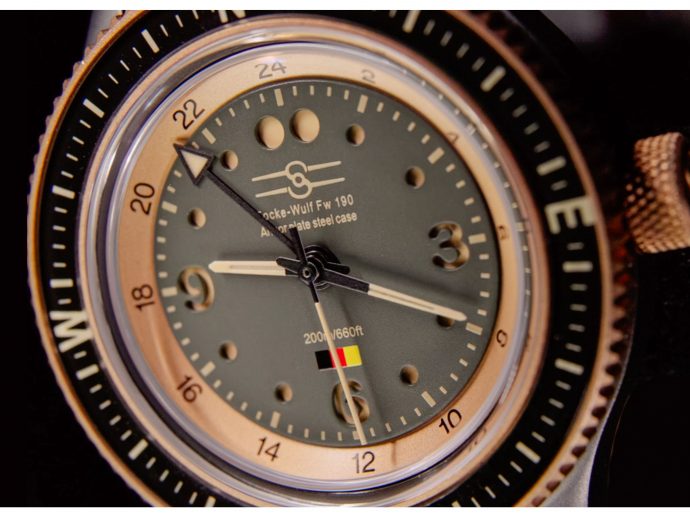
Thermal Enhancement: Melting reclaimed historical steel and comparing its composition to modern aerospace benchmarks like AMS grade 5360.
-
Hardening & Coating: Upgrading 20th century wartime steel to modern standards to ensure it is corrosion-free and wearable for a lifetime, often applying titanium carbide coating to enhance scratch resistance and durability.
By owning the entire metallurgical pipeline, Sopwith transforms brittle wartime artifacts into robust, luxury-grade timepieces that Oracle of Time describes as "living artifacts". This creates a product where the history is not just a feature, but the very foundation of the watch.
Comments
