Categories more
- Adventures (119)
- Arts / Collectables (54)
- Automotive (109)
- Aviation (133)
- Bath, Body, & Health (273)
- Children (63)
- Cigars / Spirits (128)
- Cuisine (266)
- Design/Architecture (96)
- Electronics (98)
- Entertainment (56)
- Event Planning (147)
- Fashion (184)
- Finance (19)
- Gifts / Misc (51)
- Home Decor (221)
- Jewelry (151)
- Pets (34)
- Philanthropy (7)
- Real Estate (125)
- Services (79)
- Sports / Golf (60)
- Vacation / Travel (523)
- Watches / Pens (107)
- Wines / Vines (471)
- Yachting / Boating (145)


One Selfie, Five Accounts: I Tried to Find Someone's Social Media by Picture

Published
09/21/2026A few weeks ago, I noticed someone in an article's comments whose profile picture looked familiar. I had no name, username, or website—only a profile photo. I wanted to see whether it was possible to find someone's social media by picture using publicly available information.
I Started With Google
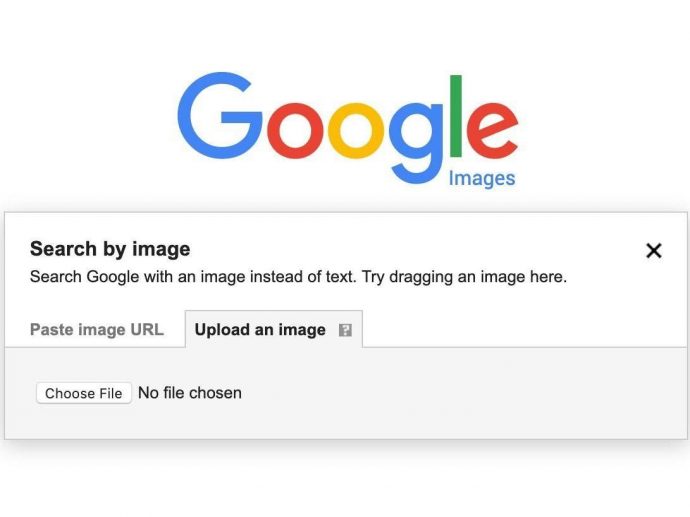
I started with Google Images and Google Lens. Lens can identify objects, places, products, and visually similar images, but it isn't specifically designed to find social media profiles.
The results were sometimes useful, but often unrelated. Google works well for general image searches, but finding public social profiles can be more difficult.
Why Finding Social Media by Picture Is Difficult
I assumed that using the same profile picture across platforms would make accounts easy to connect. However, images can be cropped, compressed, filtered, or replaced, while social platforms may limit how profile images are indexed.
That's why trying to find someone's social media by picture can be difficult with traditional search engines. A photo may be public without being easy to connect to other profiles.
When This Can Be Useful
This type of search can help in everyday situations:
- Finding a conference contact from their profile photo.
- Checking a freelancer's public online presence.
- Finding someone's public work from Reddit or Medium.
- Reconnecting with someone you briefly met.
The goal is simply to connect information that is already publicly available.
Looking Beyond Traditional Search
After several unsuccessful attempts, I looked for tools designed specifically for this type of search. That's how I came across Face2social.
Face2social focuses on publicly indexed profile imagery and helps users find someone's social media by picture when matching public profile photos exist.
It doesn't claim to reveal private accounts or bypass privacy settings. Instead, it works with information people have already made publicly available.
What Happened
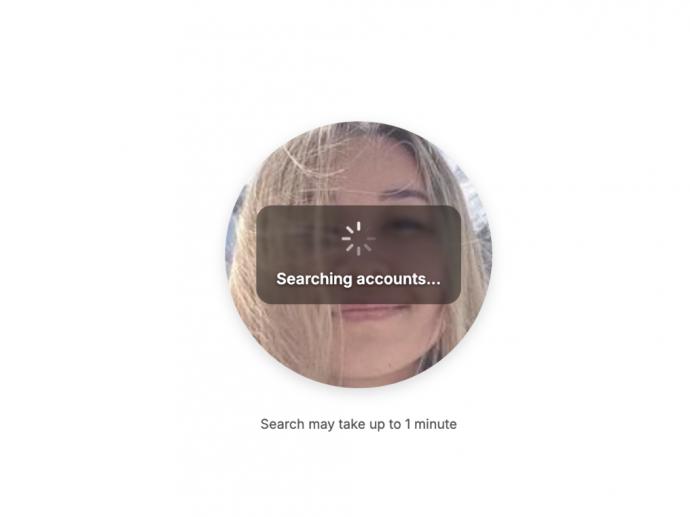
I uploaded the profile picture and the system analyzed publicly available profile imagery for potential matches.
The results showed several public profiles that appeared to use the same photo. Some were on different platforms, while others were duplicates or easy to rule out.
The biggest advantage was saving time compared with manually checking multiple social networks.
What Face2social Doesn't Do
Face2social doesn't:
- unlock private Instagram accounts;
- reveal hidden Facebook profiles;
- access deleted content;
- bypass privacy settings;
- recover information that isn't publicly available.
Privacy settings still matter. A legitimate search tool should not claim otherwise.
Why This Matters More Than You Think
The experiment also made me think about my own online presence. Many people reuse the same photo across LinkedIn, GitHub, Instagram, Medium, portfolio websites, and conference pages.
Over time, those public images can become digital breadcrumbs that connect different parts of an online identity. For freelancers, journalists, developers, researchers, and creators, being discoverable can be useful. But it's worth understanding how easily public pieces can connect.
So, Is It Possible to Find Someone's Social Media by Picture?
The short answer is yes, but only within reasonable expectations. If someone has public profiles using the same or a similar profile photo, it may be possible to find someone's social media by picture without knowing their name or username.
If everything is private, however, no legitimate tool can reveal it. General search engines remain useful for broad image searches, while specialized tools can make the process more efficient when the goal is specifically to locate public social profiles.
In the end, I found only information that was already available online. The bigger takeaway is that the internet can leave more public clues than we realize—not because privacy has necessarily been broken, but because people sometimes leave those clues publicly themselves.
If you ever need to find someone's social media by picture using publicly available profile imagery, realistic expectations and the right tool can make the process much easier.
Comments
