Categories more
- Adventures (62)
- Arts / Collectables (14)
- Automotive (77)
- Aviation (59)
- Bath, Body, & Health (112)
- Children (6)
- Cigars / Spirits (71)
- Cuisine (64)
- Design/Architecture (22)
- Electronics (13)
- Entertainment (4)
- Event Planning (12)
- Fashion (45)
- Finance (10)
- Gifts / Misc (6)
- Home Decor (45)
- Jewelry (41)
- Pets (3)
- Philanthropy (1)
- Real Estate (16)
- Services (23)
- Sports / Golf (14)
- Vacation / Travel (69)
- Watches / Pens (14)
- Wines / Vines (33)
- Yachting / Boating (67)



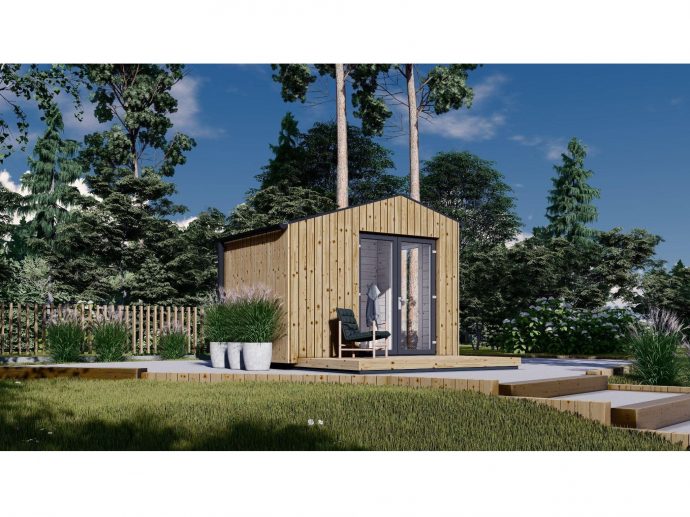
Outdoor Offices: Better Work-Life Balance

Published
08/10/2026As more parents embrace remote working, innovative solutions are becoming increasingly popular. By 2026, outdoor home offices are expected to play an important role in improving focus, strengthening family boundaries, and enhancing overall well-being.
This guide explores how you can transform your garden or outdoor space into a productive workspace, helping you achieve a healthier work-life balance for the whole family.
How Outdoor Offices Improve Focus and Productivity
Outdoor offices significantly enhance focus and productivity by leveraging the restorative power of nature and minimising common household distractions associated with indoor remote work.
Exposure to natural environments improves cognitive function by supporting sustained attention and reducing mental fatigue. This concept is known as Attention Restoration Theory (ART).
- Spending time in nature can improve working memory performance.
- A 40-minute nature walk may enhance executive control and decision-making.
- The "soft fascination" of natural elements, such as rustling leaves or birdsong, allows the brain's directed attention system to recharge, leading to fewer errors and better decision-making.
Moving work outside physically separates the professional workspace from domestic chaos, reducing the likelihood of being drawn into household tasks or children's demands.
Fresh air and natural light also contribute to alertness, with workers experiencing a 15–40% increase in productivity due to improved alertness and reduced eyestrain.
Strengthening Family Boundaries Through Physical Space
An outdoor office provides a distinct physical boundary that helps children understand and respect parental work time, a critical challenge for remote-working parents in 2026.
The visible separation reduces the "blurred boundary" phenomenon, where 70% of full-time working parents report handling parenting tasks while working and 59% perform work tasks while with children.
- A dedicated outdoor workspace creates a clear visual cue for children, signalling "work mode" in a way that an indoor home office often fails to do.
- Parents can work within earshot or eyesight of children playing, reducing guilt about physical absence while maintaining focus on tasks.
- Visible outdoor workspaces help children distinguish between "work time" and "family time," with children aged 8+ more likely to understand these boundaries if they are explicitly taught.
This "work proximity" advantage allows parents to be physically present in the home environment but cognitively separated, fostering consistent routines and reducing the 68% of working parents who report frequent interruptions.
Health Benefits That Impact the Whole Family
Transitioning to an outdoor office offers significant health advantages for remote workers, which subsequently benefit the entire family through improved parental well-being and modelling healthy behaviours.
Direct sunlight exposure facilitates Vitamin D synthesis, with 10–30 minutes daily generating 10,000–25,000 IU, supporting healthy immune function.
- Regular outdoor time encourages healthy work habits, encouraging children to spend more time outdoors, which may reduce their likelihood of developing myopia.
- Compared to indoor-only work, natural light in an outdoor setting significantly reduces eye strain and screen fatigue, with workers reporting 51% less eyestrain and 63% fewer headaches.
- Spending just 20 minutes in nature can help reduce cortisol levels, leading to lower stress and anxiety for outdoor workers.
Studies show self-rated work stress is lower during weeks with daily outdoor office work compared to indoor routines, making parents more present and less irritable during family time.
Conclusion: Making Outdoor Offices Work for Your Family
An outdoor office represents a powerful, yet often overlooked, strategy for remote-working parents to achieve a more harmonious work-life balance in 2026. By consciously shifting work outdoors, parents can harness the restorative benefits of nature to enhance focus and productivity while simultaneously creating clearer physical boundaries that children can understand and respect.
By improving health and well-being, outdoor offices benefit individuals while also strengthening family relationships by reducing interruptions and creating more opportunities for intentional family time.
Assess your outdoor space and try working there for a trial period. Doing so could transform working from home into a healthier, more balanced experience for the entire family.
Comments
