Categories more
- Adventures (62)
- Arts / Collectables (14)
- Automotive (77)
- Aviation (65)
- Bath, Body, & Health (123)
- Children (6)
- Cigars / Spirits (71)
- Cuisine (66)
- Design/Architecture (22)
- Electronics (63)
- Entertainment (36)
- Event Planning (115)
- Fashion (45)
- Finance (10)
- Gifts / Misc (6)
- Home Decor (118)
- Jewelry (41)
- Pets (3)
- Philanthropy (1)
- Real Estate (16)
- Services (44)
- Sports / Golf (14)
- Vacation / Travel (85)
- Watches / Pens (33)
- Wines / Vines (34)
- Yachting / Boating (67)


Outdoor Trends That Are Making Homes Feel More Luxurious in 2026

Published
04/01/2026Many homeowners invest time and money into upgrading their interiors, yet their outdoor spaces often remain outdated or rarely used. The result is a disconnect—your home feels modern inside, but incomplete outside. In 2026, that gap is becoming harder to ignore. People want outdoor areas that feel just as comfortable and functional as their living rooms. They want spaces they can use every day, not just on weekends or special occasions. The latest outdoor trends focus on making backyards more practical, easier to maintain, and better suited to real life. If your outdoor space feels underwhelming or unused, these ideas will help you understand what’s changing and how to make smarter upgrades.
Blending Indoor Comfort With Outdoor Living
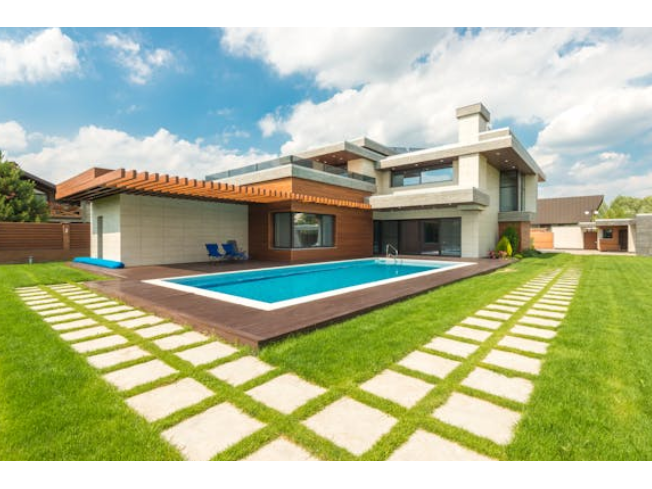
Instead of treating the backyard as a separate zone, homeowners are creating a smooth transition between the two. This can be done by using similar flooring tones, repeating colors, or aligning furniture styles so nothing feels out of place. Large doors and open views also help make the space feel connected, even when you’re inside. The goal is to make stepping outside feel natural, not like entering a completely different environment. When done right, this approach makes the home feel larger and more cohesive.
Pools That Feel Like a Private Getaway
Pools are no longer designed just for swimming. Homeowners now want them to feel comfortable and relaxing, not just functional. Features like shallow lounging areas, built-in seating, and subtle lighting make a big difference in how the space is used. Many homeowners start exploring these ideas by hiring a pool remodeling company to understand what changes are possible for their existing setup. Look up pool remodeling company near me to find experienced professionals who can guide you through design options and recommend upgrades that fit your space and lifestyle.
A well-planned pool upgrade focuses on comfort, ease of use, and long-term value rather than adding features that look impressive but go unused.
Lighting That Creates Mood, Not Glare
Outdoor lighting in 2026 is less about brightness and more about control. Many older setups rely on one strong light source, which often makes the space feel harsh and uncomfortable at night. Modern designs use layers of light instead. Soft pathway lights improve safety without being distracting, while subtle accent lighting highlights steps, plants, or water features. Warm-toned LED lights are preferred because they feel easier on the eyes and create a calm setting. Placement matters just as much as the fixture itself. Lights should guide movement and improve visibility without overwhelming the space. When done right, lighting extends how long people use their outdoor areas each day without adding complexity.
Features That Serve More Than One Purpose
Outdoor spaces now need to do more with less space. Instead of adding separate elements for every function, homeowners are choosing features that serve multiple purposes. Built-in benches can provide seating while also offering hidden storage. Sun shelves in pools work for both relaxation and safe play areas for children. Fire features are not just decorative—they allow the space to stay usable during cooler evenings. This approach helps avoid clutter and keeps the layout clean. It also makes the space easier to maintain. When each feature has a clear purpose and more than one use, the entire area feels more practical and better suited to everyday life.
The Rise of Cooler Surfaces and Heat-Conscious Materials
In warmer climates, surface temperature plays a big role in how often outdoor spaces get used. Many traditional materials absorb heat and become uncomfortable during the day. Homeowners are now choosing options that stay cooler under direct sunlight. Light-colored stone, textured pavers, and heat-reflective finishes help improve comfort without changing the design completely. This makes it easier to walk barefoot and spend more time outside. These materials also reduce heat buildup around pools and seating areas. Choosing the right surface is not just about appearance—it directly affects usability. When the space stays comfortable throughout the day, people are more likely to use it regularly instead of avoiding it during peak hours.
Privacy Is Becoming a Top Priority Outdoors
As outdoor spaces become more functional, privacy has become more important. Homeowners want to relax without feeling exposed to neighbors or nearby streets. Instead of relying only on fences, many are using layered solutions like hedges, screens, and strategic layout changes. Positioning seating areas away from direct sightlines can make a big difference. Even small adjustments, like adding vertical elements or partial walls, can create a more private feel. This doesn’t mean closing off the space completely—it’s about finding a balance between openness and comfort. A private outdoor area feels more usable and encourages people to spend time there without distractions or discomfort.
Outdoor Kitchens That Go Beyond Basic Grills
Outdoor cooking spaces are becoming more practical and complete. Instead of a single grill in the corner, homeowners are adding prep areas, storage, and proper counter space. This allows them to cook outside without constantly going back indoors. A well-designed outdoor kitchen improves both convenience and flow during gatherings. It also makes everyday cooking more enjoyable when the weather allows. Durable materials and easy-to-clean surfaces are key here, as outdoor kitchens face more exposure. Proper placement also matters—keeping it close enough to indoor access but not disrupting the seating area. When designed correctly, it becomes a functional extension of the home rather than a rarely used feature.
Outdoor spaces in 2026 are no longer treated as optional upgrades. They are a core part of how people use their homes every day. The biggest shift is not just in design, but in how these spaces function. Homeowners now focus on comfort, ease of use, and long-term value instead of surface-level changes. Each improvement, whether it’s better lighting, smarter layouts, or low-maintenance features, works together to create a space that feels complete. When outdoor areas are designed with real use in mind, they stop being overlooked and start becoming one of the most valuable parts of the home.
Comments
