




Key Takeaways
- Flexible workspaces drive collaboration and boost organizational adaptability in a changing business landscape.
- Integrating biophilic and wellness-driven features enhances employee satisfaction and work output.
- Technology plays a vital role in optimizing office operations and supporting a healthier workplace environment.
Table of Contents
- Introduction
- The Rise of Flexible Workspaces
- Designing for Collaboration and Adaptability
- Integrating Natural Elements
- Emphasizing Employee Wellness
- Technological Integration
- Case Study: A New Approach to Office Design
- Conclusion
As work culture rapidly shifts, the places where we work must evolve as well. Flexible workspaces are now setting the standard in office design, offering dynamic environments that can cater to a range of professional needs. As organizations seek ways to increase innovation and efficiency, features such as occupancy monitoring are becoming essential for creating more adaptable, responsive offices.
These workspaces foster greater collaboration by breaking down traditional barriers and introducing adaptable furniture and communal spaces. This new design ethos is keeping pace with the transformation of work itself. The importance of flexibility has never been more evident, as businesses look to attract top talent and ensure optimal productivity in a rapidly evolving landscape.
The Rise of Flexible Workspaces
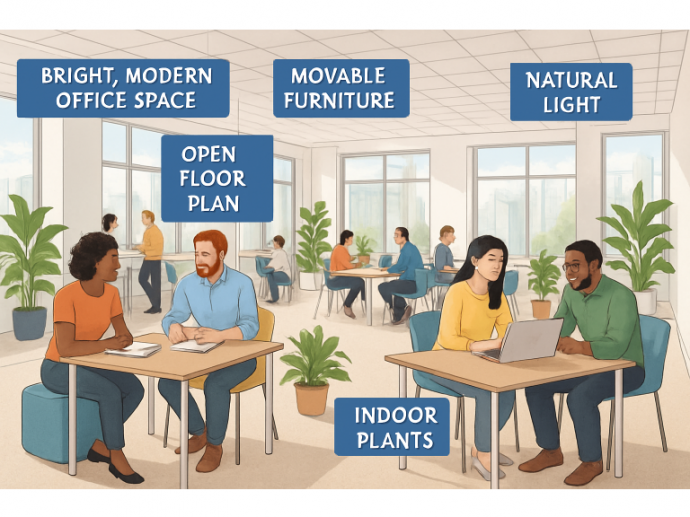
Workspaces are no longer defined by rows of identical desks or static meeting rooms. Businesses are choosing open plans, modular furnishings, and multipurpose areas to boost creativity and accommodate diverse work styles. Global research shows that flexible office arrangements have been adopted by 55 percent of occupiers worldwide, with another 17 percent intending to expand their use in the near future.
This flexible approach not only supports diverse work styles but also helps organizations scale their use of space in line with changing operational requirements. Open floor plans and communal work zones are designed to foster teamwork, allowing employees to choose environments that support their productivity.
Designing for Collaboration and Adaptability
The shift toward collaboration-driven spaces is exemplified by innovative office conversions in major cities. For example, a high-profile project in New York transformed over 28,000 square feet into a 'living lab' that fluidly supports both focused work and group interaction. Such designs are created to pull employees back into the office by delivering experiences that remote settings cannot match.
By employing movable walls, adjustable furniture, and tech-enabled meeting zones, companies can easily reconfigure offices for large gatherings, small meetings, or individual tasks. This flexible design philosophy significantly increases the functional value of office square footage.
Integrating Natural Elements
Biophilic design, or the integration of natural elements into built environments, is a growing influence on office design. Incorporating features like living walls, large windows for sunlight, indoor plant arrangements, and natural wood finishes has been found to boost both productivity and employee satisfaction by up to 15 percent.
These connections to nature help reduce stress while stimulating creative thinking. Studies suggest that employees who are exposed to greener, light-filled work environments experience improved mood and focus throughout the workday. This approach underscores a broader shift toward building workspaces that prioritize holistic health.
Emphasizing Employee Wellness
Wellness-focused amenities are now a staple in leading flexible office spaces. From in-house yoga studios and meditation pods to ergonomic seating and height-adjustable desks, the physical and mental health of employees remains a top priority. These amenities are proven to reduce absenteeism, elevate morale, and drive higher employee engagement.
Today's employees expect their workplaces to support their well-being as much as their productivity. Creating areas that encourage movement, relaxation, and social interaction helps transform the traditional office into a destination people look forward to each day.
Technological Integration
Smart technology forms the backbone of next-generation office design. Workplaces now leverage intelligent booking platforms, AI-driven facility management systems, and integrated IoT sensors to manage everything from meeting room occupancy to air quality. These innovations streamline operations, ignite collaboration, and ensure that physical spaces are always being used to their fullest potential.
Such digital integration not only increases convenience but also enhances sustainability, allowing offices to monitor energy use and better manage resources.
Case Study: A New Approach to Office Design
An excellent illustration of the future-focused office is seen in the headquarters designed by Zeller & Moye for a German medical software company. Here, everything from movable workstations to acoustically friendly private pods and lush indoor landscapes demonstrates a deep commitment to employee flexibility and well-being. This project highlights the power of multifunctional design to create offices that adapt to changing employee needs throughout the day.
The focus on versatility and environmental connection in this setting reflects a growing trend among leading companies to prioritize health, comfort, and professional fulfillment.
Conclusion
The transformed office is not a fleeting trend but a necessary response to the changing needs of the modern workforce. Flexible, tech-forward, and wellness-centered spaces drive retention and productivity while supporting innovation. Organizations that move quickly to create dynamic work environments will lead the way in attracting talent and maintaining a competitive edge in today's labor market.
