Categories more
- Adventures (17)
- Arts / Collectables (14)
- Automotive (36)
- Aviation (11)
- Bath, Body, & Health (76)
- Children (6)
- Cigars / Spirits (32)
- Cuisine (16)
- Design/Architecture (22)
- Electronics (13)
- Entertainment (4)
- Event Planning (5)
- Fashion (45)
- Finance (10)
- Gifts / Misc (6)
- Home Decor (45)
- Jewelry (41)
- Pets (3)
- Philanthropy (1)
- Real Estate (16)
- Services (23)
- Sports / Golf (14)
- Vacation / Travel (59)
- Watches / Pens (14)
- Wines / Vines (24)
- Yachting / Boating (17)



Pre-Listing Inspections: A Smart Move to Save Time and Money

Published
03/26/2026Key Takeaways
- Pre-listing inspections allow sellers to address issues early and prevent unwelcome surprises during the buyer's inspection.
- Making repairs in advance streamlines negotiations and can lead to stronger offers.
- An up-to-date inspection report builds trust with buyers and may help close deals faster.
Table of Contents
- What Is a Pre-Listing Inspection?
- Benefits of Pre-Listing Inspections
- Common Issues Identified
- How to Conduct a Pre-Listing Inspection
- Cost Considerations
- Impact on Sale Price
- Buyer Perception
- Conclusion
Preparing to sell your home can be an overwhelming process, especially when you consider the possibility of unexpected problems derailing your plans. Sellers in competitive markets are increasingly embracing pre-listing inspections to uncover issues before buyers have a chance to find them. By scheduling a professional inspection before your home goes on the market, you can save precious time and money and avoid last-minute surprises that could stall negotiations. If you are thinking, “How can I sell my house fast in Parma, OH?” then a pre-listing inspection in https://www.clecashoffers.com/sell-my-house-fast-in-parma-oh/ is a proactive strategy worth considering. Instead of waiting for buyers to identify problems and potentially renegotiate or walk away, pre-listing inspections enable you to set the terms and handle repairs at your pace. This transparency demonstrates your commitment to the property and can make buyers more comfortable moving forward with their offer, often expediting the entire selling process.
By proactively addressing repairs, you are more likely to attract serious buyers and minimize the stress of failed deals or unexpected expenses. Buyers today expect transparency and accountability from home sellers, making pre-listing inspections a powerful tool in your selling toolkit. For additional support and information about selling your property directly or off-market, visit clecashoffers.com to learn more about solutions for various home-selling scenarios.
What Is a Pre-Listing Inspection?
A pre-listing inspection is a comprehensive review of your home’s condition by a certified inspector before putting it on the market. While it is similar in scope to a buyer-ordered inspection, the main difference is that the seller initiates the process. This allows the seller to uncover potential issues early, giving them the opportunity to resolve or disclose these defects before buyers ever set foot in the home.
Benefits of Pre-Listing Inspections
- Early Detection of Problems: Discovering issues early means you can address repairs on your schedule, reducing the risk of lengthy or stressful negotiations later.
- Improved Pricing Accuracy: Having a thorough understanding of your home’s condition means your listing price can be set realistically, attracting well-informed and serious buyers.
- Enhanced Buyer Trust: A recent and favorable inspection report gives buyers confidence in your property and signals you are an honest and proactive seller.
Common Issues Identified
Pre-listing inspections frequently reveal problems that might go unnoticed during day-to-day living. Some common defects identified during these inspections include:
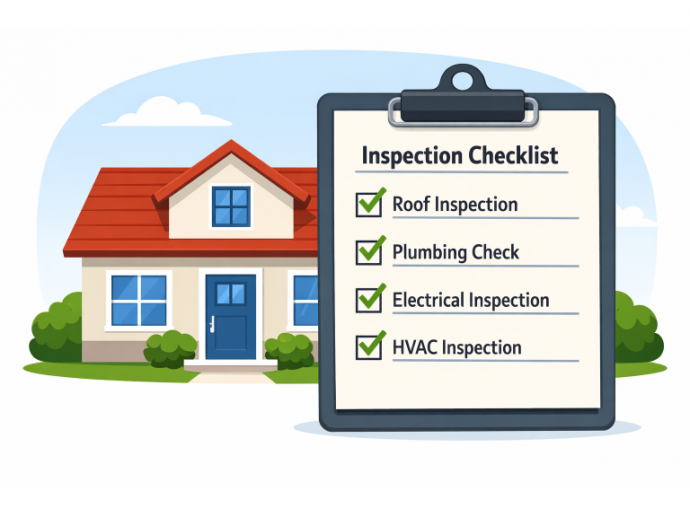
- Roof leaks or missing shingles
- Leaky plumbing fixtures or aging pipes
- Outdated wiring or unsafe electrical panels
- Minor to major structural issues such as cracking or settling
- HVAC system inefficiencies or nonfunctioning units
Tackling these issues upfront can help you avoid last-minute obstacles and provide leverage during negotiations.
How to Conduct a Pre-Listing Inspection
- Hire a Licensed Inspector: Choose an inspector with a solid reputation and relevant certifications. A professional with local experience will be familiar with common issues in your area.
- Thoroughly Review the Report: After the inspection, take the time to understand all findings and ask the inspector questions about urgent or high-cost repairs.
- Address Notable Issues: Fix problems that could be deal-breakers, like foundation cracks or electrical hazards. Even small improvements, such as repairing leaking faucets or updating old smoke detectors, can enhance your home’s appeal.
- Share the Report: By providing the inspection results to prospective buyers, you foster trust and demonstrate transparency throughout the transaction.
Cost Considerations
The cost for a pre-listing inspection typically ranges from $250 to $500, depending on your home’s size, age, and location. Although some sellers hesitate due to this upfront investment, the potential returns are significant. By eliminating costly surprises and negotiating from a position of knowledge, you can avoid price reductions and keep more money at closing.
Impact on Sale Price
Properties that have already been inspected and repaired often sell closer to their initial asking price. By resolving critical defects beforehand, sellers can clearly justify their pricing, thereby minimizing or eliminating requests for price reductions after the buyer’s inspection. This approach not only preserves your bottom line but also reduces the risk of protracted haggling that could otherwise derail the deal.
Buyer Perception
Offering buyers a clean, professional inspection report conveys honesty and diligence. It can distinguish your home from others on the market and make it a preferred choice for buyers focused on avoiding risk and hassle. In addition, this transparency can speed up the transaction timeline and encourage multiple offers from buyers who feel more comfortable making strong bids.
Conclusion
Investing in a pre-listing inspection can transform the selling experience, creating smoother negotiations, fewer surprises, and happier buyers and sellers. Sellers who choose to address potential problems upfront demonstrate a proactive approach, which can lead to faster sales and more profitable outcomes in any real estate market.
Comments
