Categories more
- Adventures (62)
- Arts / Collectables (14)
- Automotive (77)
- Aviation (65)
- Bath, Body, & Health (123)
- Children (6)
- Cigars / Spirits (71)
- Cuisine (66)
- Design/Architecture (22)
- Electronics (63)
- Entertainment (36)
- Event Planning (115)
- Fashion (45)
- Finance (10)
- Gifts / Misc (6)
- Home Decor (118)
- Jewelry (41)
- Pets (3)
- Philanthropy (1)
- Real Estate (16)
- Services (44)
- Sports / Golf (14)
- Vacation / Travel (85)
- Watches / Pens (33)
- Wines / Vines (34)
- Yachting / Boating (67)



Premium Roofing Materials Increase Both Home Value and Curb Appeal

Published
10/07/2026What would it take to transform the most visible part of your home into a genuine asset that pays dividends both aesthetically and financially? Your roof covers roughly 40 percent of your home's exterior footprint, yet many homeowners treat it as purely functional rather than as a strategic investment. The materials you choose for roofing can dramatically influence not only how your home looks from the street but also its resale value, durability, and long-term maintenance costs. Understanding how premium roofing materials work to enhance your property requires examining their specific benefits and the ways they communicate quality to potential buyers and neighbors alike.
1. How Premium Materials Signal Quality to Buyers
The moment a prospective buyer approaches your home, the roof is one of the first things they notice. Premium roofing materials like architectural shingles, metal panels, slate, and high-end composite tiles create an immediate impression of quality and careful homeownership. When someone sees a well-maintained, visually distinctive roof, they tend to assume the rest of the home has received similar attention and investment. This psychological advantage translates directly into appraisal values and purchase negotiations. A home with a dated or deteriorating roof raises red flags about hidden problems and maintenance issues, causing buyers to mentally discount the asking price before they even step inside.
Architectural shingles feature dimensional layering that creates visual depth absent from standard asphalt shingles. This three-dimensional quality catches light differently, giving homes a more finished and expensive appearance. Metal roofing similarly stands out in neighborhoods where most homes feature traditional materials, signaling that the owner has invested in durability and modern solutions. Slate and high-end ceramic tiles convey timelessness and craftsmanship that standard materials simply cannot replicate. Real estate agents consistently report that homes with distinctive, premium roofing materials attract more serious inquiries and generate faster sales.
2. Durability and Long-Term Value Preservation
Premium roofing materials outlast their budget counterparts by decades, which means homeowners avoid repeated replacement cycles that drain both bank accounts and time. Standard asphalt shingles typically last 15 to 20 years before requiring replacement, while architectural shingles often reach 25 to 30 years, metal roofing can exceed 50 years, and slate or tile can easily surpass 75 to 100 years. This longevity means that a home with a premium roof is genuinely more valuable because buyers understand they are purchasing decades of protection without major replacement costs looming in the near future. When appraisers evaluate a home, they assign value not just based on what is currently installed but on the predictable expenses a new owner will face, and a premium roof with decades of remaining life represents genuine savings.
The durability advantage extends beyond mere lifespan. Premium materials resist weather damage more effectively, reducing the likelihood of leaks, water damage, and the subsequent mold or structural problems that create expensive repairs and complicate inspections. Metal roofing reflects solar heat more efficiently than dark asphalt shingles, potentially reducing cooling costs by 10 to 25 percent depending on climate and home design. High-end composite materials engineered to mimic the appearance of slate or wood shake provide superior weather resistance without the maintenance requirements of authentic versions.
3. Aesthetic Impact on Curb Appeal and Neighborhood Presence
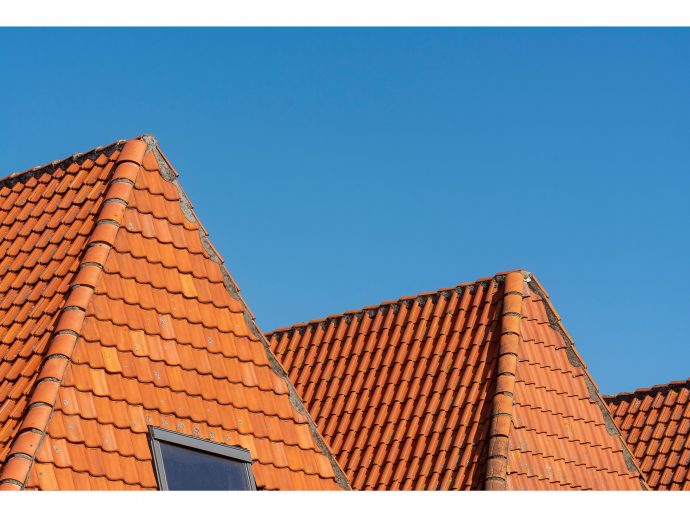
Your roof occupies a dominant visual position in your home's exterior composition. Choosing materials that complement your home's architectural style, landscaping, and neighborhood character significantly enhances overall curb appeal. Premium metal roofing in standing seam or corrugated profiles creates a modern or industrial aesthetic that suits contemporary and farmhouse style homes. Architectural shingles with layered depth and varied coloring add richness to traditional or colonial styles, while slate and clay tiles convey elegance and permanence that enhance Mediterranean, Spanish, or upscale European-inspired designs.
The color palette of premium roofing materials also matters considerably. High-quality materials retain their color and finish longer than budget options, which fade and chalk over time, while premium metal roofing comes in dozens of sophisticated colors ranging from muted earth tones to modern charcoals and blues. Homeowners in Texas who work with Ace Roofing during the material selection and installation process benefit from expert guidance on choosing finishes that hold up against intense sun exposure and seasonal weather shifts. When your roof maintains its appearance year after year, your entire home's curb appeal benefits from that consistency, and neighbors and passersby unconsciously register visual coherence and quality, subtly elevating how they perceive the entire property. This curb appeal advantage becomes especially valuable in competitive real estate markets where homes are compared directly and first impressions carry substantial weight.
4. Energy Efficiency and Environmental Consideration
Modern premium roofing materials increasingly incorporate energy efficiency features that reduce utility costs and environmental impact. Light-colored metal roofing and reflective architectural shingles bounce solar radiation away from your home, reducing cooling demands during warm months. Some premium composite materials include cool roof technology designed to lower surface temperatures by 20 to 30 degrees Fahrenheit compared to standard dark shingles, translating to measurable savings on air conditioning expenses that accumulate significantly over a roof's lifespan. Environmentally conscious buyers now actively seek homes with energy-efficient features, and a premium, efficient roof becomes a concrete selling point during negotiations.
Many premium roofing materials are also manufactured with recycled or sustainable content, appealing to homeowners concerned about environmental footprints. Metal roofing made from recycled aluminum or steel provides durability while supporting circular economy principles. Premium composite tiles engineered from recycled plastics and wood fibers offer aesthetic appeal without the resource intensity of virgin material extraction. Insurance companies sometimes offer modest discounts for homes with premium roofing materials that demonstrate superior durability and energy efficiency, representing another financial benefit beyond resale value.
5. Inspection and Appraisal Advantages
Professional home inspectors and appraisers assign measurable value to premium roofing conditions and materials. When a home inspection reveals a newer, high-quality roof with substantial remaining life, the inspection report notes this as a significant positive feature. Appraisers factor roofing condition and material quality directly into their valuation calculations, typically adjusting home values upward when premium materials are present. Conversely, inspections that reveal roof problems create downward adjustments that can cost tens of thousands of dollars in lost value, meaning that investing in a premium roof before selling effectively prevents large negative appraisal adjustments while potentially enabling higher asking prices.
Lenders and insurance companies also respond favorably to premium roofing materials. Some insurance providers offer better rates or expanded coverage for homes with high-quality roofs, recognizing that superior materials reduce weather-related claim frequencies. When mortgage lenders evaluate property risk, they note premium roofing as a positive factor suggesting the home has been well maintained overall. This combination of favorable insurance treatment and lending confidence creates downstream financial benefits beyond the initial purchase price improvement, and buyers financing homes with premium roofs benefit from smoother underwriting processes and potentially better loan terms.
Conclusion
Premium roofing materials represent a convergence of practical and financial benefits that extend far beyond simple weather protection. These materials signal quality and care to prospective buyers, deliver decades of durability that prevent expensive replacement cycles, enhance aesthetic appeal through superior color retention and distinctive design, and incorporate energy efficiency features that reduce utility costs. Professional inspectors and appraisers assign clear value to premium roofs, translating superior materials and conditions directly into higher home valuations. When homeowners select premium roofing, they invest in a visible, functional asset that pays dividends through preserved property values, reduced maintenance stress, and enhanced curb appeal that resonates throughout the neighborhood. Whether planning to sell soon or staying in a home for decades, premium roofing materials deliver concrete returns on investment that justify their initial cost difference.
Comments
