Categories more
- Adventures (62)
- Arts / Collectables (14)
- Automotive (77)
- Aviation (65)
- Bath, Body, & Health (123)
- Children (6)
- Cigars / Spirits (71)
- Cuisine (66)
- Design/Architecture (22)
- Electronics (63)
- Entertainment (36)
- Event Planning (115)
- Fashion (45)
- Finance (10)
- Gifts / Misc (6)
- Home Decor (118)
- Jewelry (41)
- Pets (3)
- Philanthropy (1)
- Real Estate (16)
- Services (44)
- Sports / Golf (14)
- Vacation / Travel (85)
- Watches / Pens (33)
- Wines / Vines (34)
- Yachting / Boating (67)


Preserving Affordable Housing for Mobile Home Owners: Strategies and Solutions

Published
05/28/2026Key Takeaways
- Rising lot rents and investor acquisitions are threatening the affordability of mobile home parks.
- Community ownership and cooperative models empower residents to maintain control over their housing.
- Government programs and financial assistance play a crucial role in preserving and improving mobile home communities.
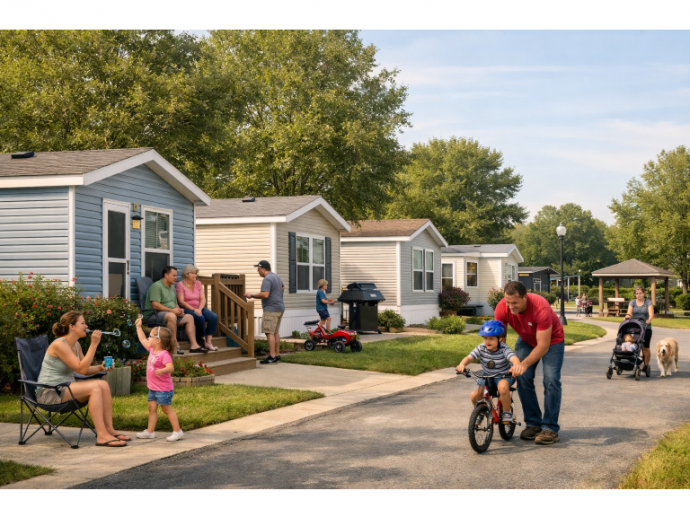
Mobile homes have provided affordable housing for generations of Americans. Yet recent shifts in the housing market have challenged their affordability and availability. Across the country, rising lot rents and increased investor activity are forcing many mobile home residents to search for new solutions. To explore current strategies for preserving affordable housing, as well as innovative support programs, this article examines the realities facing mobile home communities today. For those researching resources or seeking help in the mobile home market, https://www.phoenixmobilehome.com/ offers valuable insights for buyers and owners.
As affordable housing becomes less accessible, mobile home owners face mounting insecurities about potential displacement and rising costs. Governments, nonprofits, and resident-led groups are responding with diverse strategies to preserve communities, slow rent escalations, and foster long-term stability.
Rising Lot Rents and Investor Acquisitions
Over the past several years, many mobile home park residents have seen their monthly lot rents rise steeply. A big factor behind these increases has been acquisitions by large private equity firms and institutional investors. In Florida, for example, data shows the average lot rent nearly doubled between 2015 and 2023, creating intense financial pressure for many families.
This trend is widespread. According to the Manufactured Housing Institute, institutional investors now own about one-fifth of all U.S. mobile home parks. Investors often raise rents substantially after purchasing communities, which can contribute to displacement or create a cycle of instability for residents who rely on low-cost housing. As even longstanding parks become targets for redevelopment, there is a pressing need for policies that discourage predatory business practices and stabilize communities.
Community Ownership and Cooperative Models
One of the strongest responses to outside investment is the adoption of resident-driven ownership models. By collectively purchasing the land beneath their homes, residents gain more control over rent increases and the future of their community. Cooperative and nonprofit ownership have proven to be successful pathways for preserving affordability and encouraging community investment.
Cases such as the Cedar Falls Mobile Home Park in Bangor, Maine, demonstrate this approach. Residents there pooled resources, raised funds, and secured loans to purchase and operate their community for $8 million. This initiative preserved nearly 130 homes and established protections to ensure long-term affordability. Other states, including Colorado and New Hampshire, have begun to promote cooperative models through legislation and technical assistance, illustrating a promising path for advocacy and stability.
The Phoenix Mobile Home site provides further details for those considering cooperative ownership and offers educational materials for resident groups interested in self-governance.
Government Programs and Financial Assistance
Local and state governments support mobile home owners through a variety of assistance programs. Initiatives like California’s HEART loan program in San Mateo County offer low-interest loans that help income-qualified buyers purchase their mobile homes. This type of support fosters pathways to homeownership, particularly for families who would otherwise struggle to secure safe, reliable housing. In Nevada County, California, the MORE Program provides funds for critical repairs to aging mobile homes, keeping existing units safe and extending their useful life.
These programs are essential components of long-term affordable housing solutions, acting as safety nets for homeowners facing unexpected repairs or financial challenges that could lead to displacement. The National Low Income Housing Coalition highlights that collaboration between nonprofit organizations, local government, and philanthropic funding creates a more comprehensive housing safety net.
Preserving Affordable Housing Stock
Preserving existing affordable housing often costs significantly less than building new units from the ground up. In Polk County, Iowa, more than 600 mobile homes are at risk as affordability contracts reach expiration. Renewing these agreements and dedicating funds to repairs and upkeep remain crucial to prevent families from being priced out of their homes.
Advocates push for legislation and grant programs that incentivize owners to renew affordability covenants, retain nonprofit management where possible, and invest in long-term maintenance. Protecting these resources, often built decades ago, helps ensure continuity and family stability, especially in regions facing a tight housing supply.
Innovative Housing Solutions
In response to growing demand, some cities are developing new ways to add affordable housing units without large-scale construction. Accessory Dwelling Units (ADUs), for example, enable homeowners to build small, independent rental units on existing properties. Charlotte, North Carolina’s Queen City ADU Program provides forgivable loans to property owners who build and rent affordable units, thus expanding local housing options naturally and flexibly.
Innovative programs like this encourage creative uses of available space within existing neighborhoods. They help fill the gap for moderate and lower-income renters while giving homeowners added income opportunities. As zoning laws evolve, many cities are considering how flexible construction and financing options can support the ongoing fight for housing accessibility.
Challenges and Future Outlook
Despite growing attention, there are still major challenges to expanding and preserving affordable mobile home options. Rising construction costs, outdated zoning, and regulatory limits can stall innovation. Many government programs depend on consistent funding streams, which can create uncertainty for long-term planning. Additionally, the added layer of local politics often shapes whether or how resources are allocated.
Sustained collaboration between agencies, nonprofit providers, residents, and funders will be required to maintain progress. As affordable housing needs grow across the United States, ongoing research, policy innovation, and resident leadership are foundational for future success.
Conclusion
Protecting the future of affordable housing for mobile home owners requires commitment across several fronts. Community empowerment, government assistance, and creative programming each offer a piece of the solution. As stakeholders continue working toward lasting change, the combined impact of these efforts can help ensure housing affordability for generations to come.
Comments
