Categories more
- Adventures (17)
- Arts / Collectables (14)
- Automotive (37)
- Aviation (11)
- Bath, Body, & Health (76)
- Children (6)
- Cigars / Spirits (32)
- Cuisine (16)
- Design/Architecture (22)
- Electronics (13)
- Entertainment (4)
- Event Planning (5)
- Fashion (45)
- Finance (10)
- Gifts / Misc (6)
- Home Decor (45)
- Jewelry (41)
- Pets (3)
- Philanthropy (1)
- Real Estate (16)
- Services (23)
- Sports / Golf (14)
- Vacation / Travel (59)
- Watches / Pens (14)
- Wines / Vines (24)
- Yachting / Boating (17)



Preventing Costly Drain Clogs at Home

Published
03/23/2026Key Takeaways
- Implementing simple daily practices can significantly reduce the risk of drain clogs.
- Natural cleaning methods are effective and safer alternatives to harsh chemical cleaners.
- Regular professional inspections can identify and address potential issues before they escalate.
For many homeowners, the inconvenience of a clogged drain often arrives abruptly and carries with it everything from slow-draining sinks to unexpected water damage. Fortunately, proactive steps can keep your home’s plumbing flowing smoothly and minimize the risk of expensive repairs. Adopting simple habits, remaining vigilant, and knowing when to seek help are all part of an effective approach to clear, problem-free drains. If you ever face a stubborn blockage or want expert help, professional clogged drain cleaning services in Atlanta GA offer fast solutions and peace of mind for Atlanta-area homeowners.
Understanding why clogs occur and how you can prevent them will save you time, money, and frustration in the long run. Preventative maintenance empowers you to take control, reduces emergencies, and preserves the integrity of your pipes. A little attention can go a long way in keeping your home’s water systems running smoothly all year round.
Mindful Kitchen Practices
The kitchen often bears the brunt of drain clogs due to food scraps, oils, and grease. Grease, in particular, is a common culprit. While it may go down the drain as a liquid, it solidifies as it cools, lining pipes and trapping additional debris over time. To avoid this, always pour cooled fats and cooking oils into a sealable container to discard in the trash rather than the sink. This small change can help keep your pipes clear and prevent a host of drainage issues. According to the Environmental Protection Agency, improper disposal of fats, oils, and grease is a leading cause of sewer backups in residential areas.
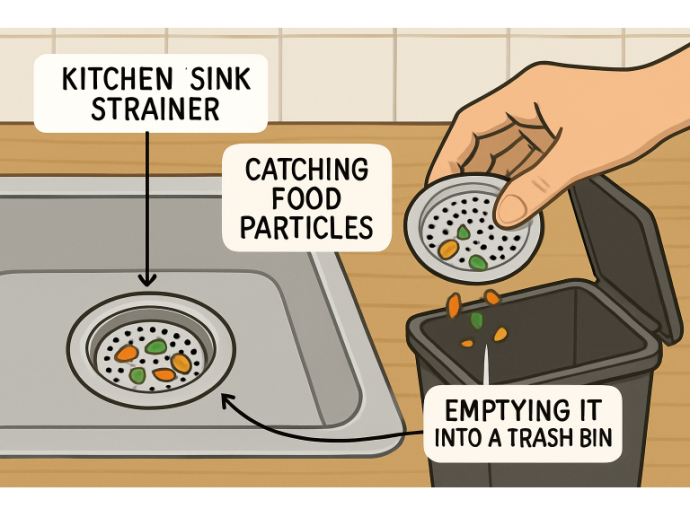
For day-to-day protection, install sink strainers and empty them regularly. These simple devices trap food particles before they enter your plumbing. Scrape food remnants into the trash or compost before washing dishes. By adopting these mindful kitchen habits, you’ll stop most potential clogs before they start.
Bathroom Drain Maintenance
Bathroom drains present a different set of clogging hazards, with hair and soap scum topping the list. To guard against buildup, use hair catchers or drain screens in showers and sinks. These affordable traps capture loose hair and other debris, making it easy to prevent dense blockages within your pipes. Clean these traps or screens regularly to maintain a steady water flow.
Another common problem is an accumulation of soap residue, especially from bar soaps, which often leaves behind a thicker film. Opting for liquid soap alternatives can help reduce the buildup of insoluble solids. Additionally, flushing your bathroom drains with hot water periodically will help dissolve and push away mild residues before they have a chance to form obstructions. Regularly cleaning your bathroom drains supports a more hygienic, efficient space and lowers the risk of water pooling or backflow.
Regular Hot Water Flushing
One of the simplest forms of preventative drain maintenance is flushing your drains with hot water. Once a week, slowly pour a kettle of very hot water down each drain. This practice loosens and moves along accumulated oils, soap, or minor clogs. Hot water flushing helps preserve pipe health, especially for kitchen sinks that are prone to grease buildup, and prevents the cost and mess of unplanned plumbing emergencies. Consumer Reports recommends this low-cost, chemical-free method as part of a regular cleaning schedule.
Natural Cleaning Solutions
Many chemical drain cleaners are corrosive and can damage pipes, especially if used frequently or improperly. Opt for natural, pipe-safe solutions to maintain your drains. A proven option is to combine half a cup of baking soda with half a cup of white vinegar. Pour this mixture down your drain and let it fizz for about fifteen minutes before following with hot water. This reaction helps break down organic buildup and also eliminates odors.
In kitchen drains, pouring dish soap followed by hot water is effective for dissolving grease and improving flow. These DIY methods provide a safe alternative to harsh chemicals and can be used as part of your ongoing cleaning routine.
Proper Waste Disposal
Being conscientious about what gets flushed or poured down drains is fundamental to preventing clogs. Items such as wipes (even those labeled as flushable), feminine hygiene products, and paper towels do not break down easily and can create serious blockages in both household pipes and municipal systems. Educate all members of your household to dispose of these and similar items in the trash rather than toilets or sinks. Proactive education and clear rules help prevent accidental clogs and reduce future drainage issues.
Professional Inspections
Even with consistent preventive care, some plumbing issues may escape notice until they require professional intervention. Scheduling regular inspections with a licensed plumber can uncover early signs of trouble, such as root intrusion, pipe cracks, or buildups that are not easily cleared with home remedies. Plumbers today often use specialized cameras to examine pipe interiors, pinpointing issues without invasive procedures.
For thorough maintenance or when dealing with persistent blockages, hydro jetting is a professional service that uses high-pressure water streams to clean pipes and remove stubborn clogs. Routine professional inspections paired with hydro jetting services will keep your household plumbing in optimal condition and reduce the risk of costly repairs in the future. For more general plumbing guidance, the American Society of Home Inspectors provides comprehensive advice for homeowners.
Conclusion
Preventing drain clogs is a manageable task when you incorporate a mix of mindful daily habits, natural cleaning strategies, and occasional professional support. By disposing of waste responsibly, using simple preventive devices, and regularly cleaning your drains with safe methods, you minimize the risk of disruption and expensive repairs. Combined with expert inspections and timely intervention, these steps ensure your plumbing system remains efficient, reliable, and worry-free for years to come.
Comments
