Categories more
- Adventures (62)
- Arts / Collectables (14)
- Automotive (77)
- Aviation (65)
- Bath, Body, & Health (123)
- Children (6)
- Cigars / Spirits (71)
- Cuisine (66)
- Design/Architecture (22)
- Electronics (63)
- Entertainment (36)
- Event Planning (115)
- Fashion (45)
- Finance (10)
- Gifts / Misc (6)
- Home Decor (118)
- Jewelry (41)
- Pets (3)
- Philanthropy (1)
- Real Estate (16)
- Services (44)
- Sports / Golf (14)
- Vacation / Travel (85)
- Watches / Pens (33)
- Wines / Vines (34)
- Yachting / Boating (67)


Professional Teeth Whitening in Glendale, AZ vs. At-Home Kits

Published
06/11/2026A brighter smile can make a strong first impression, boost confidence, and help you feel more comfortable in photos, meetings, and everyday conversations. If you are comparing professional teeth whitening in Glendale, AZ, with at-home whitening kits, you are not alone. Many people want whiter teeth but are unsure which option gives the best balance of safety, convenience, cost, and results. While both professional whitening and store-bought kits can reduce surface stains, they are not the same. The right choice depends on your goals, the condition of your teeth, your timeline, and whether you want guidance from a dental professional.
Why Teeth Become Stained
Tooth discoloration can happen for many reasons. Some stains develop on the outer enamel surface, while others sit deeper inside the tooth structure. Common causes include:
- Coffee, tea, red wine, and dark-colored sodas
- Tobacco use
- Certain foods, including berries, tomato sauces, and curry
- Natural aging and enamel thinning
- Poor brushing or flossing habits
- Some medications
- Past dental trauma
- Genetics and natural tooth shade
At-home whitening kits usually work best on mild surface stains. Professional whitening can often address more noticeable discoloration because dentists use stronger whitening agents and customized application methods.
What Is Professional Teeth Whitening?
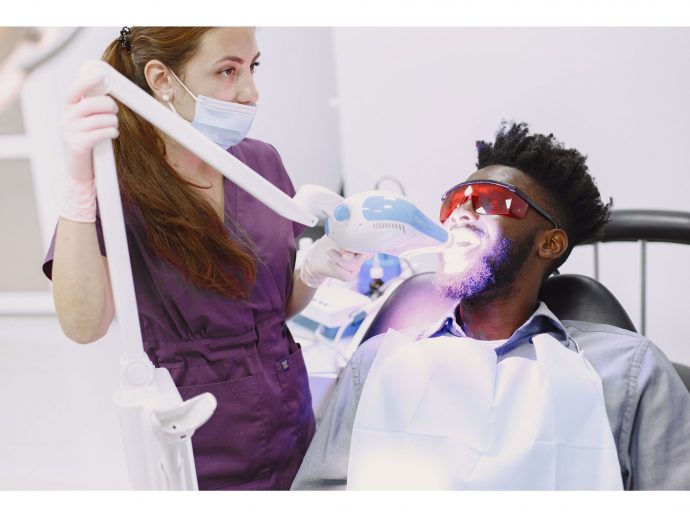
Professional teeth whitening is a cosmetic dental treatment performed or supervised by a dental provider. It typically uses a whitening gel with a higher concentration of active ingredients than what is found in most retail kits. Depending on the office, treatment may be completed in a single visit or through custom take-home trays provided by the dentist.
For patients considering teeth whitening in Glendale, AZ, professional treatment offers a more personalized approach. Before whitening begins, a dental team can evaluate your teeth and gums, check for cavities or gum irritation, and identify whether stains are likely to respond well to whitening. This matters because whitening products do not change the color of crowns, veneers, fillings, or bonding. A dental exam can help set realistic expectations before treatment.
What Are At-Home Whitening Kits?
At-home whitening kits are products you can buy online, at pharmacies, or in retail stores. These may include whitening strips, trays, pens, LED kits, toothpaste, or rinses. They are usually less expensive than professional whitening and can be used on your own schedule.
Common at-home options include:
- Whitening strips that stick to the teeth
- One-size-fits-all trays filled with whitening gel
- Paint-on whitening pens
- Whitening toothpaste for surface stain removal
- LED light kits marketed for home use
These products can be helpful for mild discoloration, especially when used correctly. However, results can vary widely. Since the trays or strips are not custom-made, the whitening gel may not contact every tooth evenly. It may also touch the gums, which can cause irritation or sensitivity.
Comparing Results
One of the biggest differences between professional whitening and at-home kits is the level of results. Professional treatments are designed to produce more noticeable whitening in less time. Because dentists can use stronger products and monitor the process, patients often see a brighter smile after one appointment or after a short series of custom tray applications.
At-home kits usually require more patience. Whitening strips and trays may need to be used daily for several days or weeks. Results can be subtle, especially for deeper stains. Some people are happy with this gradual improvement, while others may feel the change is not dramatic enough.
Professional whitening may be a better fit if you:
- Want faster results
- Have an upcoming wedding, interview, reunion, or event
- Have stubborn yellow or brown stains
- Want a more even whitening outcome
- Prefer treatment guided by a dental team
At-home kits may be a better fit if you:
- Have mild staining
- Want a lower upfront cost
- Are not in a hurry
- Have already had professional whitening and want occasional touch-ups
Comparing Safety and Sensitivity
Teeth whitening is generally safe when products are used properly, but sensitivity is a common concern. Whitening gels can temporarily make teeth more sensitive to cold drinks, hot foods, or air. Gum irritation can also happen if whitening gel spreads onto soft tissue.
Professional whitening has a safety advantage because your dental provider can evaluate your mouth first. If you have untreated cavities, gum disease, exposed roots, or cracked teeth, whitening may cause discomfort or worsen irritation. A dentist can recommend treating these issues before whitening.
With at-home kits, users may accidentally overuse products or apply too much gel. Some people leave strips on longer than directed, hoping for faster results. This can increase sensitivity without improving the final shade. Whitening toothpaste can also be abrasive if used too aggressively.
Cost and Convenience
At-home kits are usually more affordable at first. They are easy to purchase and can be used at night, in the morning, or whenever your schedule allows. This convenience appeals to many people who want a simple way to brighten their smile.
Professional whitening usually costs more, but the price reflects the personalized care, stronger materials, and dental supervision involved. For many patients, the value comes from predictable results and less trial and error. Instead of buying multiple products that may or may not work, you receive a treatment plan based on your teeth.
When comparing cost, it helps to think beyond the initial price. A cheaper kit may not be the better value if it produces uneven results, causes sensitivity, or requires repeated purchases. Professional whitening may cost more upfront, but it can deliver more noticeable results in less time.
How Long Do Whitening Results Last?
Whitening is not permanent. Teeth can gradually stain again due to diet, habits, and aging. However, results can last longer with good oral hygiene and smart lifestyle choices.
To help maintain your results:
- Brush twice daily and floss every day
- Rinse with water after coffee, tea, or wine
- Use a straw when drinking dark beverages
- Avoid tobacco products
- Schedule regular dental cleanings
- Follow your dentist’s touch-up recommendations
Professional whitening results often last longer when paired with custom trays or periodic maintenance. At-home products can also help with touch-ups, but they may not maintain brightness as effectively if stains are deeper or habits remain unchanged.
FAQ About Teeth Whitening
Is professional whitening better than at-home whitening? Professional whitening usually provides faster, more noticeable, and more even results. At-home kits can work for mild stains but may take longer and produce less dramatic changes.
Does teeth whitening hurt? Whitening should not be painful, but temporary sensitivity is possible. A dentist can help reduce the risk by checking your teeth first and recommending the right product or schedule.
Can whitening damage enamel? When used correctly, whitening products are generally considered safe. Problems are more likely when products are overused or used on teeth with untreated dental issues.
Will whitening work on crowns or veneers? No. Whitening products only change the shade of natural tooth enamel. Crowns, veneers, fillings, and bonding will not whiten.
How soon will I see results? Professional whitening can often show results quickly, sometimes after one visit. At-home kits usually require several applications over days or weeks.
How white can my teeth get? Results depend on your natural tooth color, the type of staining, age, and oral health. A dental provider can help you understand what is realistic for your smile.
Choosing the Right Whitening Option in Glendale
The best whitening choice depends on your needs. If you want a quick, noticeable improvement with professional guidance, professional teeth whitening in Glendale, AZ, may be the better option. It is especially helpful if you have sensitive teeth, uneven staining, dental restorations, or an important event coming up. If your stains are minor and you are comfortable with gradual results, an at-home kit may be enough.
Before choosing any whitening method, consider scheduling a dental consultation. A professional can identify the cause of discoloration, explain your options, and help you avoid products that may not work for your situation. A whiter smile is not just about brightness. It is also about choosing a safe, effective approach that supports your overall oral health.
Comments
