Categories more
- Adventures (113)
- Arts / Collectables (29)
- Automotive (88)
- Aviation (88)
- Bath, Body, & Health (183)
- Children (62)
- Cigars / Spirits (116)
- Cuisine (171)
- Design/Architecture (74)
- Electronics (93)
- Entertainment (54)
- Event Planning (134)
- Fashion (176)
- Finance (19)
- Gifts / Misc (49)
- Home Decor (180)
- Jewelry (134)
- Pets (33)
- Philanthropy (6)
- Real Estate (110)
- Services (68)
- Sports / Golf (56)
- Vacation / Travel (399)
- Watches / Pens (98)
- Wines / Vines (75)
- Yachting / Boating (119)


PRP Treatments for Hair Restoration: Can Platelet-Rich Plasma Help You Regain Your Confidence?

Published
09/20/2025Table of Contents
- What Is Platelet-Rich Plasma (PRP) and How Does It Work?
- Why Are People Turning to PRP for Hair Loss?
- The Science Behind PRP for Hair Growth
- What to Expect During a PRP Hair Restoration Session
- Results: How Effective Is PRP for Hair Loss?
- Risks, Side Effects, and Who Should Avoid PRP
- Tips for Boosting Confidence During Hair Loss Recovery
- Staying Informed: New Developments in PRP Therapy
What Is Platelet-Rich Plasma (PRP) and How Does It Work?
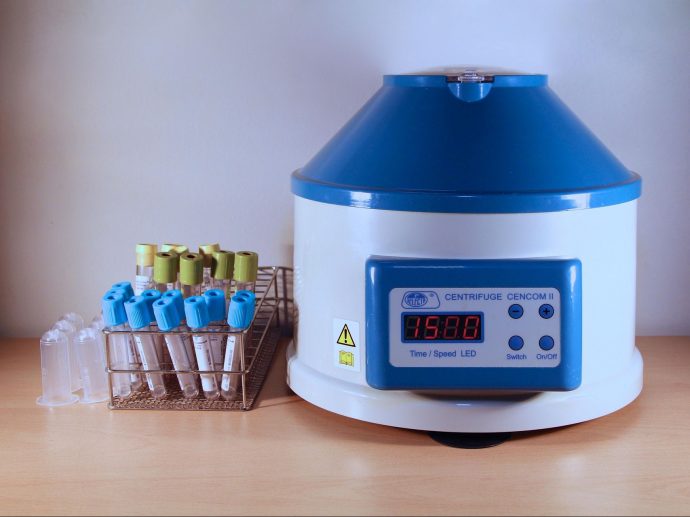
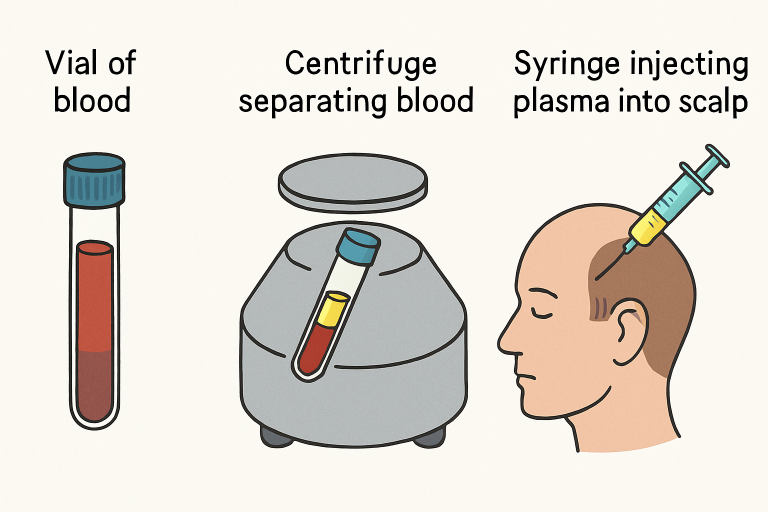
PRP is derived from a blood draw from the patient, which is then processed in a centrifuge to separate platelet-rich plasma from red blood cells and other blood components. The resulting concentrated plasma, rich in growth factors and proteins, is then injected directly into the scalp to stimulate inactive hair follicles and support new hair growth. Many people exploring this treatment turn to PRP Fort Lauderdale, where advanced techniques are used to ensure effective and comfortable procedures. The process of extracting and applying PRP is minimally invasive. Once the patient's blood is processed, the PRP serum is expertly injected into targeted areas where hair is thinning or lost. Its growth factors promote tissue repair and regeneration, waking up dormant follicles to transition into the growth phase.
Why Are People Turning to PRP for Hair Loss?
Hair thinning and hair loss are common conditions affecting millions of people worldwide. For men, male pattern baldness is the leading cause, while women often face hair thinning due to hormonal changes, stress, or genetic predisposition. Studies show that by the age of 50, about 50% of men and up to 40% of women will experience some level of hair loss. The rise in awareness and the desire for minimally invasive, drug-free alternatives have propelled PRP therapy to the forefront as a viable treatment option. According to Medical News Today, platelet-rich plasma (PRP) is derived from a patient’s own blood and used to stimulate natural healing processes, including hair follicle rejuvenation.
The growing demand for non-surgical solutions is influenced by factors such as the limited success rate of topical treatments, potential side effects of medications, and the desire for procedures with little to no downtime. PRP offers a promising approach for those seeking to restore their hair and confidence without going under the knife or enduring long recovery periods.
The Science Behind PRP for Hair Growth
What makes PRP stand out is its concentration of growth factors, proteins that play a vital role in tissue healing and regeneration. Platelets in PRP release signals that encourage stem cell proliferation and tissue repair. When injected into the scalp, these growth factors can reverse the miniaturization of hair follicles, increase blood supply, and promote thicker, healthier hair, according to Healthline.
Recent scientific studies on PRP have shown significant improvements in hair density, thickness, and overall scalp health after several treatment sessions. However, results can vary, and more long-term studies are needed to fully understand its mechanism and optimal protocols.
Despite its promising results, some limitations exist. The efficacy of PRP may depend on an individual's overall health, the expertise of the provider, and the underlying cause of hair loss. In certain cases, particularly those involving advanced hair loss, PRP may not produce the desired regrowth, underscoring the importance of realistic expectations.
What to Expect During a PRP Hair Restoration Session
Undergoing PRP therapy for hair restoration begins with a simple blood draw from your arm, similar to what you’d experience in any routine health check. After spinning the blood in a centrifuge to concentrate the platelets, the resulting PRP is injected into the affected scalp areas using fine needles. Numbing cream may be applied for additional comfort. The overall procedure typically lasts about 60–90 minutes.
Most patients undergo an initial series of three to four sessions, spaced a month apart, followed by maintenance treatments every four to six months. Because PRP therapy is minimally invasive, there is little to no downtime—most people return to their regular activities soon after. Swelling, mild tenderness, or redness at the injection sites are common but temporary, usually subsiding within a day or two.
For best results, practitioners recommend avoiding harsh hair treatments or vigorous scalp massages for several days following your session. Staying hydrated and protecting the scalp from sun exposure can further support the healing process.
Results: How Effective Is PRP for Hair Loss?
Clinical trials and patient testimonials frequently highlight notable improvements in hair thickness, density, and scalp coverage after completing a series of PRP treatments. Many report seeing results within three to six months. However, individual success can depend on factors like age, genetics, underlying health conditions, and the severity of hair loss.
Compared to other treatments such as topical minoxidil, oral medications, or hair transplant surgery, PRP stands out for its non-surgical approach, minimal side effects, and use of the body's natural regenerative properties. It is beneficial for those in the early stages of hair thinning or as a complementary therapy to other procedures.
Risks, Side Effects, and Who Should Avoid PRP
PRP for hair restoration is generally considered safe since it uses the patient’s own blood, reducing the risk of allergic reactions. The most common side effects are mild and include localized swelling, bruising, tenderness, or redness at injection sites. More serious complications are rare but can include infection or injury to nerves and blood vessels if not performed by an experienced provider.
Those with certain health conditions—such as active scalp infections, bleeding disorders, or autoimmune diseases—should consult a physician before undergoing PRP therapy. Pregnant or breastfeeding women and individuals undergoing immunosuppressive therapy are typically advised to avoid this treatment.
Tips for Boosting Confidence During Hair Loss Recovery
Hair loss can be emotionally challenging. It's essential to prioritize mental well-being throughout your journey. Many benefit from joining support groups, speaking with mental health professionals, or seeking encouragement from friends and loved ones. Focusing on overall self-care by maintaining a healthy diet, staying active, and practicing mindfulness can help manage stress and foster a positive outlook.
Setting realistic expectations is crucial. While PRP can support meaningful improvements in hair growth, results vary and may take time. Remember – your value and confidence extend beyond appearance. Embrace small wins along the way and celebrate your commitment to self-care.
Staying Informed: New Developments in PRP Therapy
The field of PRP therapy continues to advance as more clinical studies and technological innovations emerge. Recent news coverage of ongoing PRP advancements suggests improved techniques, combination therapies, and customized protocols for various types of hair loss.
For those considering PRP, it’s essential to stay updated on reputable research and consult with experienced providers. The future of hair restoration is bright, with ongoing innovation paving the way for more personalized and effective treatments. As the science evolves, individuals seeking confidence-boosting hair solutions have more options and insights than ever before.
Comments
