Categories more
- Adventures (62)
- Arts / Collectables (14)
- Automotive (77)
- Aviation (65)
- Bath, Body, & Health (123)
- Children (6)
- Cigars / Spirits (71)
- Cuisine (66)
- Design/Architecture (22)
- Electronics (63)
- Entertainment (36)
- Event Planning (115)
- Fashion (45)
- Finance (10)
- Gifts / Misc (6)
- Home Decor (118)
- Jewelry (41)
- Pets (3)
- Philanthropy (1)
- Real Estate (16)
- Services (44)
- Sports / Golf (14)
- Vacation / Travel (85)
- Watches / Pens (33)
- Wines / Vines (34)
- Yachting / Boating (67)


Redefining Business Growth Through Digital Product Engineering

Published
04/22/2026Table of Contents
- AI Integration in Product Development
- Embracing Cloud-Native Architecture
- Agile Methodologies for Rapid Innovation
- Utilizing Digital Twins for Optimization
- Data-Driven Decision Making
- Sustainability in Product Engineering
- Future Trends in Digital Product Engineering
- Conclusion
Modern businesses face persistent pressure to innovate at speed and scale, adapting quickly to changing consumer expectations and disruptive technologies. As a solution, many organizations are embracing product engineering outsourcing and advanced digital product engineering practices to maintain their market relevance. This strategy not only streamlines operational efficiency but also enables rapid development and deployment of cutting-edge digital products.
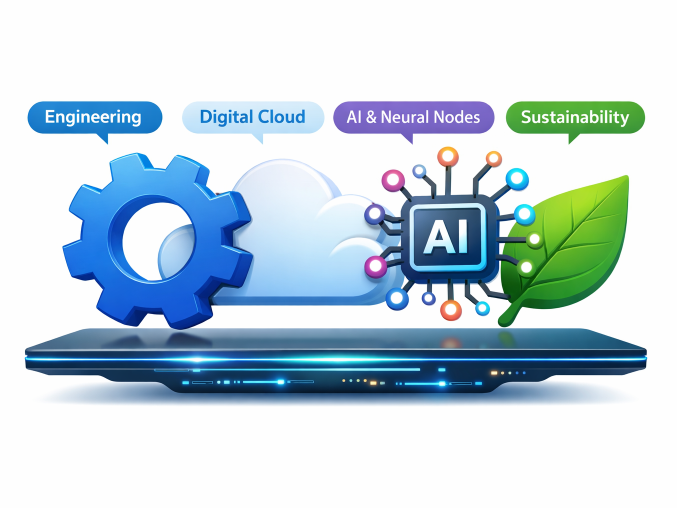
By blending traditional engineering expertise with contemporary digital tools, companies can design solutions that are robust, scalable, and attuned to dynamic market needs. Digital product engineering empowers teams to move beyond incremental updates, fostering a culture of innovation that is responsive to both current trends and future demands. What sets this approach apart is its holistic methodology. Companies integrate artificial intelligence, cloud architectures, and other advanced technologies to optimize the product lifecycle from ideation to launch. This continuous evolution ensures products not only meet today’s needs but are prepared for tomorrow’s opportunities. As businesses intensify their reliance on digital platforms, adopting comprehensive product engineering best practices has become essential for success and sustainability. Digital product engineering also encourages organizations to rethink their development strategies, incorporating agile methods and customer feedback loops. By synchronizing technical innovation with business goals, companies can uncover unique value propositions and drive competitive advantage in crowded markets.
AI Integration in Product Development
Artificial Intelligence is transforming the landscape of product development, automating processes that were once labor-intensive and bringing greater predictive precision to every stage of creation. By adopting AI, companies can identify patterns in user behavior, personalize customer experiences, and swiftly address market changes. Predictive analytics help businesses forecast demand, optimize supply chains, and fine-tune their products to meet customer needs better. AI is especially valuable when paired with continuous delivery pipelines, enabling teams to roll out updates and improvements in real-time without disruption. This leads to superior product quality and higher customer retention rates. Navigating this complex technological integration becomes significantly smoother with the expertise of a specialized partner like the RTS Labs AI consulting service, which helps businesses successfully implement these advanced tools to drive sustainable growth and innovation.
Embracing Cloud-Native Architecture
Moving to cloud-native architecture has rapidly become a business imperative. Companies are shifting away from on-premises infrastructure toward containerized microservices that scale effortlessly and recover from failures quickly. This approach encourages innovation by removing the bottlenecks associated with legacy systems, enabling seamless expansion as demand fluctuates. To make this transition effective, many organizations depend on comprehensive IT support services to manage the complexity of deployment, monitoring, and ongoing optimization. This kind of support helps ensure that systems remain stable and secure as businesses continue to evolve and scale their digital capabilities.
Cloud platforms deliver advanced features such as auto-scaling, real-time analytics, and robust security measures. By leveraging cloud-native solutions, businesses lower their infrastructure costs, improve compliance, and minimize the risks associated with hardware dependencies.
Agile Methodologies for Rapid Innovation
Agile methodologies have become synonymous with digital product engineering. By organizing development efforts into short, focused iterations, businesses can respond more effectively to feedback and continually refine their products. Agile encourages open communication between stakeholders, developers, and customers, resulting in solutions that closely match customer expectations.
Iterative sprints empower teams to experiment with new features, gather user data quickly, and make pivotal changes without overhauling entire projects. This steady, incremental progress is crucial in fast-moving markets, where the ability to pivot is a key differentiator between leaders and laggards.
Utilizing Digital Twins for Optimization
Digital twins represent a vital innovation for companies seeking deeper insights into product performance. By creating virtual representations of physical products or processes, organizations can test changes, diagnose issues, and optimize systems before implementation. This method delivers substantial cost savings by identifying and resolving potential failures in the virtual space first.
Industries, from manufacturing to healthcare, are leveraging digital twins to simulate real-world conditions and gather valuable data for continuous product improvement. This technology allows engineers to push the boundaries of what is possible, supporting a proactive stance on maintenance, updates, and innovation.
Data-Driven Decision Making
Harnessing the power of data is central to modern product engineering. By tracking customer interactions, market shifts, and internal process metrics, companies make strategic decisions based on accurate, up-to-the-minute insights. This reduces guesswork and boosts confidence in both daily operations and long-term planning. Data analytics not only enhances product features but also shapes go-to-market strategies, enabling organizations to address emerging opportunities quickly. According to Deloitte, businesses that treat data as a critical asset outperform competitors by delivering more relevant products and optimized experiences.
Sustainability in Product Engineering
Sustainability is now a non-negotiable element in digital product engineering. Companies are prioritizing energy-efficient designs, recyclable materials, and ethical supply chains to minimize environmental impact. The adoption of sustainable engineering practices not only reduces costs and risks but also resonates with a growing segment of eco-conscious consumers.
Integrating sustainability throughout the product lifecycle bolsters brand reputation and prepares organizations for future regulations aimed at environmental responsibility.
Future Trends in Digital Product Engineering
The field of digital product engineering is rapidly evolving as new technologies emerge. The future promises deeper integration of artificial intelligence, broader adoption of cloud-native architectures, and a strengthened commitment to environmental sustainability. Organizations poised to anticipate and leverage these trends will maintain a strong position in their respective industries and benefit from accelerated innovation cycles. Ultimately, digital product engineering is about future-proofing businesses and delivering value to stakeholders and customers alike. By continuously refining their approach, companies can surpass evolving expectations and secure long-term growth in a dynamic marketplace.
Conclusion
Digital product engineering is reshaping the way businesses design, develop, and deliver products. By integrating AI, cloud-native architectures, agile methodologies, and digital twins, companies can accelerate innovation, optimize performance, and respond rapidly to market demands. Data-driven decision-making ensures strategies are informed and precise, while sustainability initiatives enhance both environmental responsibility and brand value. Looking ahead, staying ahead of emerging trends and leveraging advanced technologies will be critical for organizations aiming to maintain a competitive edge. Adopting a holistic, forward-thinking approach to digital product engineering enables businesses to create scalable, high-quality solutions that meet today’s needs and are prepared to address tomorrow's challenges.
Comments
