Categories more
- Adventures (62)
- Arts / Collectables (14)
- Automotive (77)
- Aviation (65)
- Bath, Body, & Health (123)
- Children (6)
- Cigars / Spirits (71)
- Cuisine (66)
- Design/Architecture (22)
- Electronics (63)
- Entertainment (36)
- Event Planning (115)
- Fashion (45)
- Finance (10)
- Gifts / Misc (6)
- Home Decor (118)
- Jewelry (41)
- Pets (3)
- Philanthropy (1)
- Real Estate (16)
- Services (44)
- Sports / Golf (14)
- Vacation / Travel (85)
- Watches / Pens (33)
- Wines / Vines (34)
- Yachting / Boating (67)


Redefining Professional Presence at High‑End Networking Events


Published
04/20/2026If you're looking for new professional connections, you know that networking can be serious business. It's not as simple as walking up to strangers and introducing yourself.
There's a technique to commanding the crowd without being overwhelming. However, most business networking advice focuses on mass-market professional environments. They don't explain the luxury tier, which often includes very different, unspoken rules.
Getting attention the 'right way' is a skill that you can learn easily, though. This piece will break down how to build your presence with restraint, intention, and cultural fluency. By the end, you'll be more confident in attending high-end networking events in the future.
Silence as a Powerful Tool
Most people rush to fill silence with credentials or elevator pitches. While it helps others get to know you better, it can also be a liability. A lot of high-net-worth individuals and C-suite figures are trained to detect desperation. One of the telltale signs that someone is desperate to be noticed is over-talking.
When in high-end networking events, practice strategic silence. How do you do this? It's quite simple: pause before responding. Doing this allows a beat of space after you finish speaking. Pausing for a moment communicates that you're someone who weighs your words. It's a quality that's associated with authority, especially in luxury events.
When the moment to connect does arrive, make it frictionless. Switching to online business cards lets you share contact details instantly. Tools like QR codes or a personal link keep the exchange clean and unhurried.
The Invisible Wardrobe Strategy
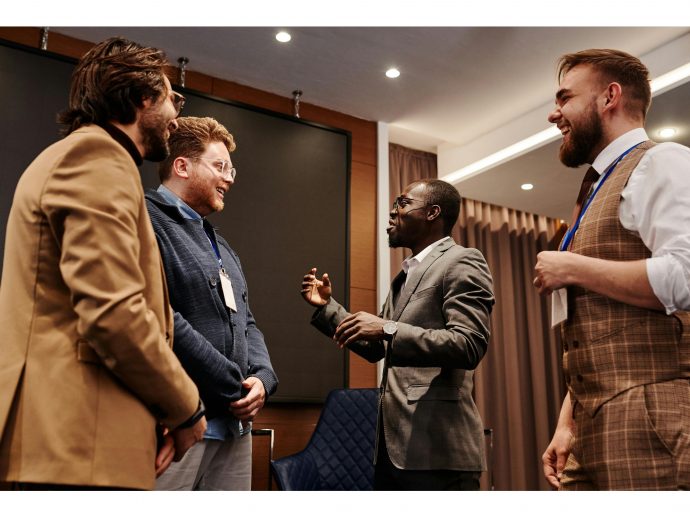
What you wear is often the first way other people get a hold of your skills or personality. Right before you even start speaking, your wardrobe does the talking for you. The point isn't to stand out but rather to fit in seamlessly in luxury networks. A well-chosen outfit at high-end networking events won't make people question your presence.
Quiet luxury in fashion focuses more on understated and tailored clothing with no visible logos. Skip the outfits and accessories that have their logos plastered everywhere. True luxury clothing is subtle and prioritizes material quality and fit. Your goal must be to improve your appearance without much effort.
Looking the Part
To achieve a luxurious look, even on a budget, invest in one or two extraordinary singular pieces. Consider a bespoke watch or a hand-stitched lapel. They show exquisite taste better than recognizable luxury brands.
Don't forget your footwear and good grooming, too. In the luxury industry, your shoes and your overall look are subject to scrutiny. Worn-out heels and overly styled hair register as incompatible in a way that a mid-range suit never would.
Psychology is at play when you're well-dressed while chatting with business networking groups. When your appearance creates zero friction, people will likely engage with you rather than your clothes.
Curating Your Conversational Portfolio
Diversify your conversational range well beyond your professional vernacular. In high-end networking events, knowledge in art, travel, or philanthropy runs deep with upscale hobbies behind them.
You'll have a lot to talk about and keep yourself from appearing too shallow. The knowledge also signals cultural capital, the real currency in art auctions, charity galas, and similar events.
In professional relationship building, avoid mentioning that you know these things outright. It's deemed performative. Meanwhile, having genuine cultural literacy comes from actual exposure and learning. Experienced people can tell the difference between those with real depth and those without.
Conversations as Long-Term Investments
One way to become a great conversationalist in networking events is to not treat conversations as transactions. The goal is to be remembered as someone worth returning to, not just someone who closed a deal at cocktail hour.
Prepare two or three 'depth topics' to talk about. These should be things you can talk about with genuine nuance and curiosity. Let topics flow naturally, and avoid steering every discussion toward business.
Arrival and Exit Choreography
Several guides discuss what to do during an elite networking event, but few address the underrated power of how you arrive and leave.
Avoid arriving at the venue first or fashionably late. The former signals over-eagerness, while the latter shows disrespect for curated timing. The ideal time would be 15 to 20 minutes after the doors open. It's the sweet spot when the room has energy but still isn't closed off into fixed conversation clusters.
When exiting luxury venues for networking, leave a conversation cleanly. Don't over-explain or trail off. You want to create a sense of completeness and ensure that you're memorable to the people you've spoken to.
Consider practicing the 'one meaningful goodbye' rule. Before leaving an event, identify one person to close with a specific, forward-looking remark. Avoid a 'great to meet you.' Instead, go for something that references a detail from your conversation. It'll demonstrate genuine attention.
Digital Restraint Before and After
Post-event, the temptation to connect immediately on LinkedIn and other social media platforms runs strong. You might follow up with a mass email the next morning. Both missteps erode the exclusivity that high-end relationship-building depends on.
For better results, follow the 48-hour rule. Allow a brief interval before digital outreach. When you do reach out, reference something specific and non-transactional from your interaction.
Having a sparse but clean digital footprint is more persuasive than a highly active personal brand. It suggests you don't need the visibility, which itself confers status.
Wrapping Up
Joining high-end networking events feels like it requires effort, which it does. But with practice, it'll become second-nature to you. The technique is to prioritize subtle attraction, not obvious projection. You do this by creating the conditions for others to want to know more.
In cultural societies and luxury networking rooms, the most powerful person's exit gets noticed first. They're rarely the loudest.
Comments
